Maharashtra Housing Act amendment to pave the way for redevelopment of 13k dilapidated buildings in Mumbai: Explained
Source Entity
Latest News: Today's Latest News Headlines from India & World | Hindustan Times | Hindustan Times
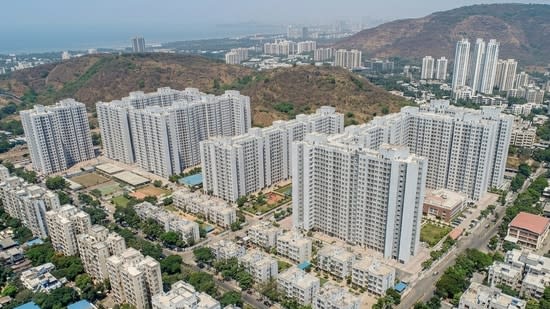
Maharashtra government's legislature has amended the Maharashtra Housing and Area Development Act, in order to push redevelopment old and dilapidated buildings
Accelerating Urban Renewal: Analyzing the Maharashtra Housing Act Amendment
Mumbai, the financial capital of India, has long struggled with the dual challenge of extreme population density and aging infrastructure. The recent amendment to the Maharashtra Housing and Area Development Act represents a strategic legislative pivot aimed at addressing the critical state of the city's housing stock. By streamlining the legal framework, the Maharashtra government seeks to unlock the redevelopment potential of approximately 13,000 dilapidated buildings, many of which pose significant safety risks to their inhabitants, particularly during the monsoon season.
Addressing the Crisis of Dilapidated Structures
The scale of the problem is immense. For decades, thousands of buildings—many of them 'cessed' buildings in South Mumbai—have fallen into severe disrepair. These structures often suffer from structural instability, leaking roofs, and outdated plumbing and electrical systems. The decision to target 13,000 specific buildings indicates a government recognition that the existing bureaucratic hurdles were too high for developers and housing societies to navigate efficiently. Historically, redevelopment in Mumbai has been stalled by complex tenancy laws, disputes over floor space index (FSI), and the arduous process of obtaining consensus among all residents of a building.
The Strategic Impact of the Legislative Amendment
By amending the Housing and Area Development Act, the state government is effectively reducing the friction associated with the redevelopment process. While the specific technicalities involve simplifying permissions and potentially easing the consensus requirements for redevelopment, the broader implication is a shift toward a more 'developer-friendly' and 'result-oriented' approach. This amendment is designed to incentivize private players to take on the risk of rebuilding these structures by providing a clearer, faster legal path to project completion. This is crucial because the public sector, via MHADA (Maharashtra Housing and Area Development Authority), lacks the immediate capital to rebuild thousands of structures simultaneously.
Socio-Economic Implications for Mumbai Residents
For the residents of these 13,000 buildings, this move is a double-edged sword of hope and uncertainty. On one hand, it offers a pathway out of precarious living conditions and into modern, safe housing with better amenities. On the other hand, redevelopment often triggers disputes over the size of new apartments, temporary relocation allowances, and the reliability of the developers. However, the legislative push suggests that the government is prioritizing physical safety and urban modernization over the stagnation caused by legal deadlock. The transition from decayed tenements to high-rise residential complexes will fundamentally alter the skyline and the socio-economic fabric of several Mumbai neighborhoods.
Broader Urban Planning and Future Trends
Looking forward, this amendment is likely to trigger a surge in real estate activity across Mumbai. As these 13,000 buildings enter the redevelopment pipeline, there will be an increased demand for construction materials, labor, and urban planning services. Moreover, this move sets a precedent for how the state handles urban decay; if successful, similar legislative shortcuts may be applied to other aging clusters in the Mumbai Metropolitan Region (MMR). The long-term trend will likely be a shift toward vertical growth, as the city maximizes its limited land area to accommodate a growing population while upgrading the quality of life for existing residents.
Conclusion
In summary, the amendment to the Maharashtra Housing and Area Development Act is a necessary intervention to prevent potential urban catastrophes and modernize Mumbai's residential landscape. By targeting 13,000 dilapidated buildings, the government is attempting to balance the urgent need for safety with the economic drivers of the real estate market. While implementation challenges remain, the move provides the legal machinery required to transform hazardous dwellings into sustainable urban housing.
Verification Required?