Maharashtra SIR: Sex workers’ groups seek relief for voters lacking family documents
Source Entity
Anuradha Mascarenhas
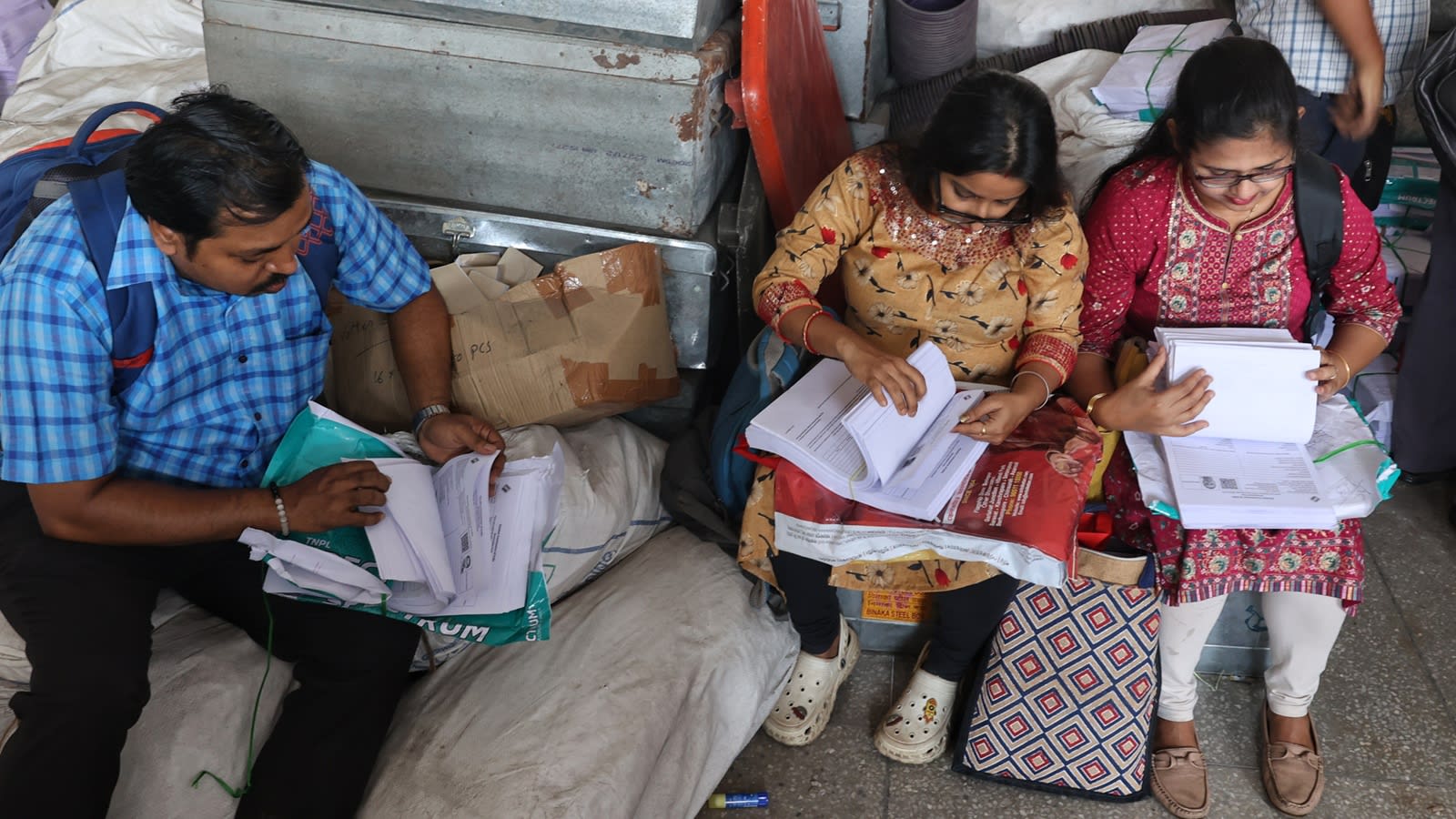
With the Special Intensive Revision (SIR) of electoral rolls currently underway in Maharashtra, organisations working with sex workers say hundreds of women and their children could struggle to prove ...
Inclusion at the Margins: Analyzing the Struggle for Voting Rights in Maharashtra
The Special Intensive Revision (SIR) of electoral rolls in Maharashtra is a critical administrative exercise designed to ensure that voter lists are accurate and up-to-date. However, this process has inadvertently highlighted a systemic gap in inclusivity. Advocacy organizations working with sex workers have raised urgent concerns that hundreds of women and their children are at risk of being excluded from the democratic process. The core of the conflict lies in the rigid requirement for family-based documentation, which often serves as an insurmountable barrier for individuals living on the fringes of social and legal recognition.
The Documentation Barrier and Social Stigma
In the Indian electoral registration process, proofs of residence and identity are often tied to traditional family structures or formal legal agreements. For sex workers, these documents are frequently nonexistent. Due to the heavily stigmatized nature of their profession, many women live in precarious housing arrangements—often in informal settlements or rented spaces where formal lease agreements are not provided. Furthermore, many sex workers are estranged from their biological families due to social ostracization, meaning they cannot provide the 'family documents' typically requested by officials during the SIR. This creates a paradox where the state's requirement for 'proof' effectively renders a vulnerable population invisible.
Systemic Marginalization and Civic Invisibility
This struggle is more than a bureaucratic hurdle; it is a reflection of deep-seated systemic marginalization. When administrative processes assume a standard of social stability—such as having a permanent address or a recognized family head—they inherently exclude those whose lives do not fit that mold. By insisting on rigid documentation without providing alternative means of verification, the SIR process risks reinforcing the social exclusion of sex workers. The refusal to recognize non-traditional proofs of residence or community testimonials essentially tells these citizens that their existence is not valid enough to merit a vote.
The Intergenerational Cycle of Disenfranchisement
The crisis extends beyond the women to their children, creating a cycle of civic invisibility. Children born to sex workers often struggle to obtain basic documentation, such as birth certificates or school records, because their parents lack the necessary identification. As these children reach voting age, the lack of a documented family history makes it nearly impossible for them to register on the electoral rolls. This ensures that the political disenfranchisement of the parent is inherited by the child, trapping entire families in a loop of legal precariousness and denying them the agency to seek political representation for their community.
Broader Democratic Implications
The fight for relief during the Maharashtra SIR is fundamentally a fight for the principle of universal adult suffrage. A democracy's legitimacy is measured by its ability to include its most marginalized citizens. If a specific segment of the population is systematically excluded from the electoral rolls based on their socio-economic status or profession, the resulting electoral outcomes are less representative. The demands of these advocacy groups are therefore not merely about paperwork; they are about the recognition of sex workers as full citizens with an equal right to shape the governance of their state.
Toward Inclusive Registration Reforms
Looking forward, this situation underscores an urgent need for 'inclusive registration' policies across India. To prevent the disenfranchisement of marginalized groups, election commissions could adopt flexible verification methods, such as the use of affidavits, testimonials from recognized community leaders, or the acceptance of non-traditional residence proofs. If Maharashtra implements the relief sought by these groups, it could set a vital precedent for other states, proving that administrative rigor does not have to come at the cost of democratic inclusion.
Conclusion
In summary, the current tensions surrounding the Maharashtra SIR highlight the clash between rigid bureaucratic requirements and the lived realities of marginalized citizens. The efforts by sex workers' groups to seek relief are a critical step toward dismantling the barriers to political participation. Ensuring that every eligible citizen, regardless of their social standing or family history, can register to vote is essential for maintaining the integrity and inclusivity of the democratic process.