Mandakini recalls Ram Teri Ganga Maili’s controversial scenes: ‘I went with the flow’
Source Entity
The Indian Express
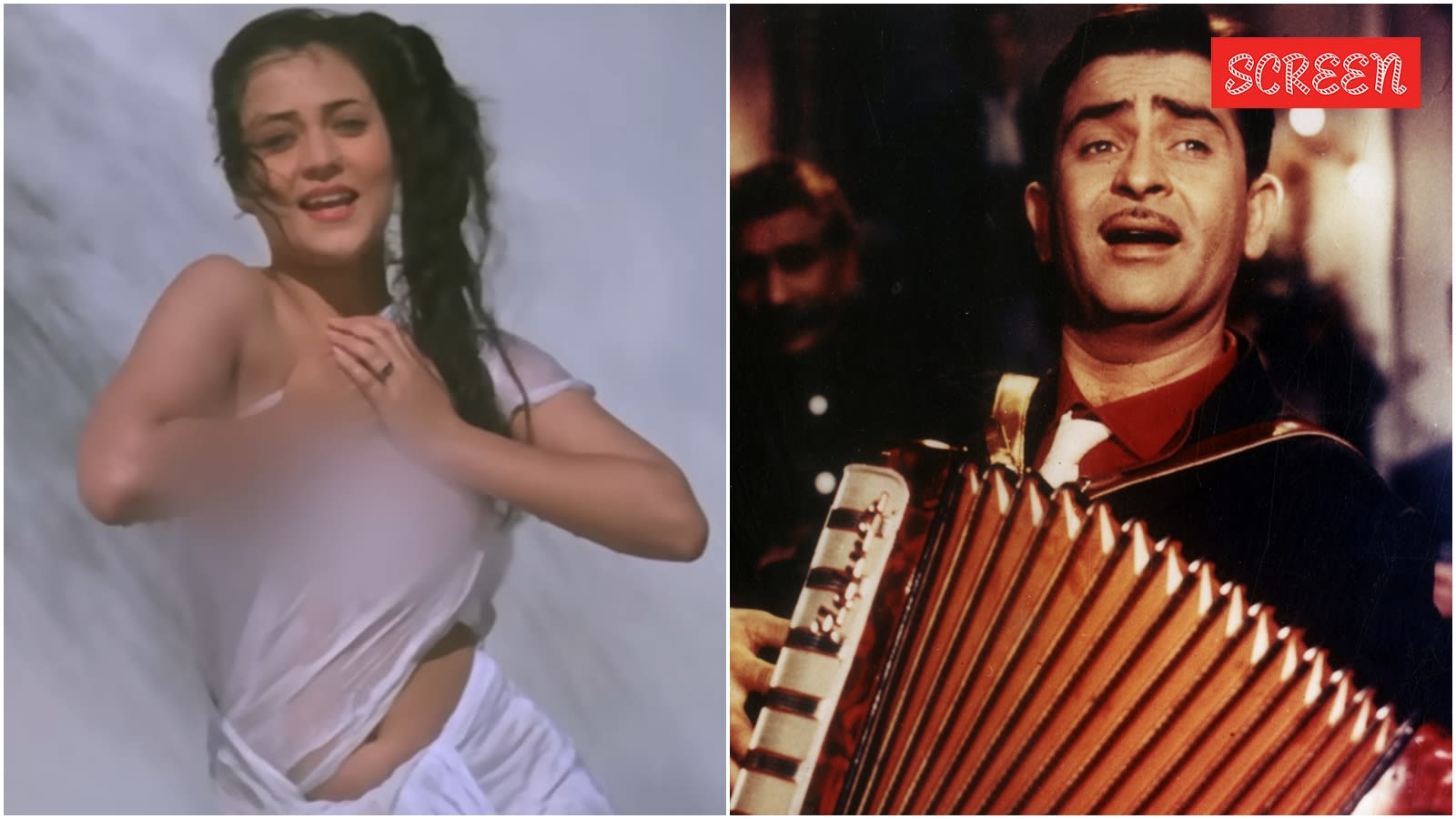
Veteran actor Mandakini reflects on her controversial debut in 'Ram Teri Ganga Maili' and the informal nature of the 1980s film industry. She clarifies the technical nature of her famous scenes and reveals she was unpaid for nearly 17 films due to the era's lack of formal contracts.
Reflecting on an Iconic Debut
Actor Mandakini’s recent reflections provide a candid look into the 1980s Hindi film industry, specifically focusing on her breakout role in Raj Kapoor’s Ram Teri Ganga Maili. Cast at only 17 years old, Mandakini became a symbol of the era’s trend of casting teenage girls in roles heavily centered on sensuality. Her debut film remains a significant cultural touchstone, largely due to the intense public debate sparked by its visual choices.
Deconstructing the Controversy
The film became famously controversial for two specific sequences: a scene involving breastfeeding and another featuring the lead in a translucent saree under a waterfall. These scenes were pivotal in shaping the public perception of Mandakini at the time. However, in her recent comments, the actor clarified that the "breastfeeding" scene was a result of clever camera work and editing rather than an actual act, highlighting the technical artifice behind cinematic controversy.
The Informal Era of Filmmaking
Beyond her debut, Mandakini highlighted the stark differences between the professional structures of the past and the present. She revealed that during her career, she worked on approximately 16 to 17 films without receiving any payment. This speaks to a bygone era of Indian cinema where professional relationships were governed by informal verbal agreements and "homely" camaraderie rather than the rigid, legally-binding contracts that define modern talent management.
Cultural Implications of the 80s
Mandakini’s experience reflects a broader trend of how young female actors were positioned in 1980s Bollywood. Often presented as objects of desire, these performers navigated an industry that lacked modern safeguards or standardized compensation practices. The "warm, personal" atmosphere she describes as "homely" suggests that while the environment was collaborative, it also left performers vulnerable to exploitation due to the lack of formal business processes.
Evolution of Industry Standards
Comparing her early days to the contemporary landscape, it is evident that the industry has undergone a massive professional shift. The move toward formal contracts and institutionalized pay structures represents a necessary evolution in protecting artistic labor. Mandakini’s account serves as an important historical record of the transition from a disorganized, relationship-based film economy to the highly regulated, corporate-driven industry that exists today.
Conclusion
Mandakini’s recent disclosures offer more than just nostalgia; they provide a critical look at the intersection of artistic intent, public perception, and the evolution of labor rights in Indian cinema. By demystifying her most famous scenes and highlighting the financial informalities of her time, she offers a nuanced perspective on the challenges and realities faced by stars of the 1980s.