The Mediterranean diet is the best out there. Here’s why Americans struggle with it.
Source Entity
Beth Krietsch
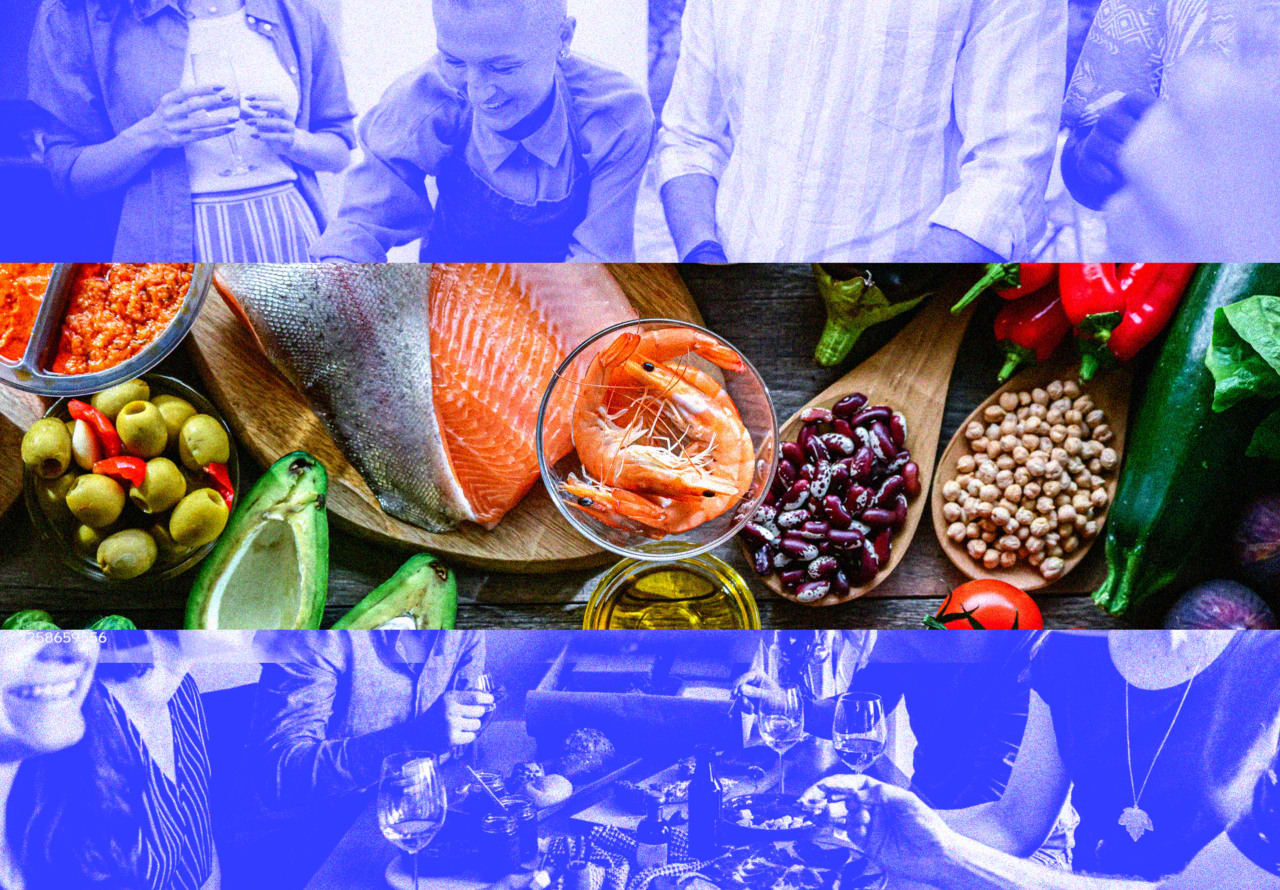
The Mediterranean diet is widely considered the healthiest nutritional approach, emphasizing whole foods and social dining. However, American lifestyle barriers often hinder the adoption of these traditional cooking and communal eating habits.
The Mediterranean Paradigm: More Than Just Food
The Mediterranean diet is consistently ranked by health experts as the gold standard for long-term wellness and disease prevention. Unlike restrictive fad diets that focus on calorie counting or the exclusion of entire food groups, this approach emphasizes a balanced intake of whole grains, healthy fats—specifically olive oil—fresh produce, and lean proteins. However, the true essence of this lifestyle extends far beyond the plate, rooted in a cultural framework that prioritizes the quality of ingredients and the intentionality of preparation.
The Cultural Component of Nutrition
At its core, the Mediterranean model is a social construct as much as a nutritional one. The provided context highlights that the efficacy of this diet is inextricably linked to the act of cooking at home and sharing meals with friends and family. This communal aspect serves to slow down the eating process, promote mindful consumption, and foster emotional well-being. By integrating social connection into the daily routine of eating, adherents are less likely to engage in the impulsive, solitary, or stress-induced eating patterns that are prevalent in modern, fast-paced societies.
Barriers to Adoption in the American Landscape
Despite the well-documented health benefits, Americans face significant structural and cultural challenges in adopting this lifestyle. The convenience-oriented food culture in the United States often prioritizes speed over substance, making the act of daily home-cooking a daunting commitment for many busy households. The transition away from processed, grab-and-go options toward a diet requiring fresh preparation requires a shift in both time management and culinary literacy that many Americans are currently struggling to navigate.
The Social Disconnect
Beyond the kitchen, the American lifestyle often lacks the dedicated time for communal dining. With long commute times, demanding work schedules, and the erosion of traditional family mealtimes, the social pillar of the Mediterranean diet becomes difficult to sustain. The struggle is not merely about dietary choices; it is a systemic issue involving how we value the time spent preparing and enjoying food. Without the social reinforcement of shared meals, the diet can feel like a chore rather than a sustainable way of living.
Future Implications and Trends
As awareness regarding the link between diet and chronic illness grows, there is a burgeoning movement toward reclaiming the kitchen as a central hub of the home. Future trends suggest that if Americans are to successfully adopt these habits, there must be a broader societal shift toward valuing 'slow living.' This includes workplace flexibility that allows for meal preparation and a renewed cultural emphasis on the psychological benefits of gathering around a table, which could lead to significantly improved public health outcomes in the coming decades.
Verification Required?