If Meta loses this trial, Instagram and Facebook could change forever
Source Entity
BBC News
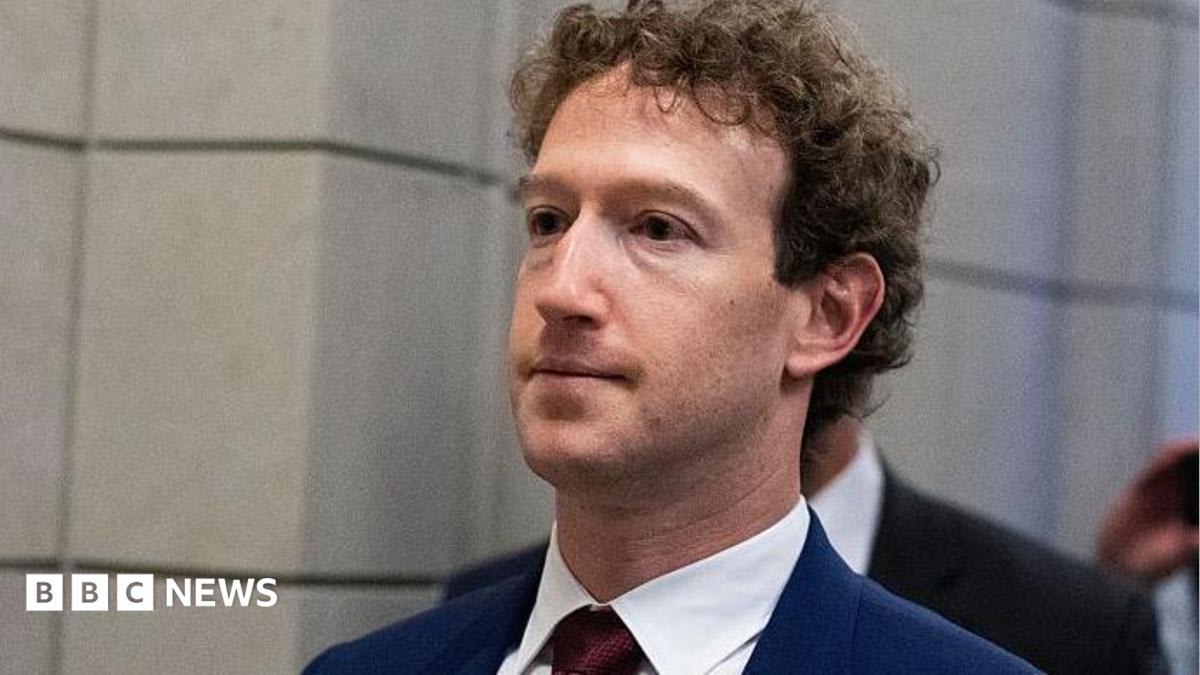
Meta faces significant legal pressure as courts weigh its responsibility for youth mental health. Recent rulings in New Mexico and California highlight the tension between judicial oversight and constitutional protections like Section 230.
The Legal Reckoning for Social Media Giants
Social media platforms, particularly Meta Platforms, Inc. (META), are currently navigating an unprecedented wave of litigation centered on the alleged impact of their products on youth mental health. As states and individuals pursue legal recourse, the judiciary is becoming a central arena for defining the boundaries of corporate responsibility in the digital age. These cases, ranging from massive state-led lawsuits to individual bellwether trials, are testing the limits of how much control platforms can exert over their algorithms and user interfaces.
The New Mexico Precedent
In a landmark decision, Judge Bryan Biedscheid of the Santa Fe County District Court ordered Meta to pay $567 million into a state abatement fund. This ruling, the highest single penalty to date regarding social media’s effects on children, designates $420 million specifically for youth treatment programs. The remaining funds are earmarked for prevention, awareness, and screening initiatives over a five-year period. While the monetary figure is significant, the true impact of this ruling may lie in the operational changes it forces upon the company to mitigate juvenile mental health damage.
The California Bellwether Trials
Parallel to the New Mexico decision, a major trial in Oakland, California, is currently underway in the U.S. District Court for the Northern District of California. Presided over by Judge Yvonne Gonzalez Rogers, this litigation involves 29 states that filed suit in 2023, alleging violations of child safety and consumer protection laws. With high-profile testimony expected from Meta CEO Mark Zuckerberg and Instagram CEO Adam Mosseri, this trial serves as a critical bellwether that could set the tone for future settlements across the country.
Constitutional and Competitive Constraints
Despite the push for aggressive remedies, courts have shown restraint. In New Mexico, the judge declined to mandate specific changes to algorithms, infinite scrolling, or autoplay features. This hesitation is rooted in complex legal protections, including Section 230 of the Communications Decency Act and First Amendment considerations. Furthermore, the court acknowledged that imposing such drastic changes could unfairly impact Meta's competitive standing, highlighting the delicate balance judges must maintain between public safety and corporate operational autonomy.
Financial and Legal Future Trends
While some verdicts, such as the $6 million award to a California plaintiff, remain financially modest relative to the scale of these tech giants, the cumulative effect of these lawsuits is mounting. Meta and other companies like Google are actively challenging these outcomes, signaling a long and litigious road ahead. The lack of a standardized recovery framework across the broader docket suggests that the industry will continue to face fragmented, state-by-state legal battles rather than a single, sweeping resolution.
Conclusion
The ongoing legal challenges represent a paradigm shift in how social media companies are held accountable. While courts are increasingly willing to impose financial penalties for public nuisance, they remain cautious about dictating technical design choices. As these cases continue to unfold, the intersection of mental health advocacy and digital law will likely dictate the next era of social media regulation, forcing platforms to weigh the cost of litigation against the necessity of fundamental product reform.
Multiple Citing Sources