The Surface Laptop Ultra finally has a release date — and a starting price of $2,599
Source Entity
Emma Roth
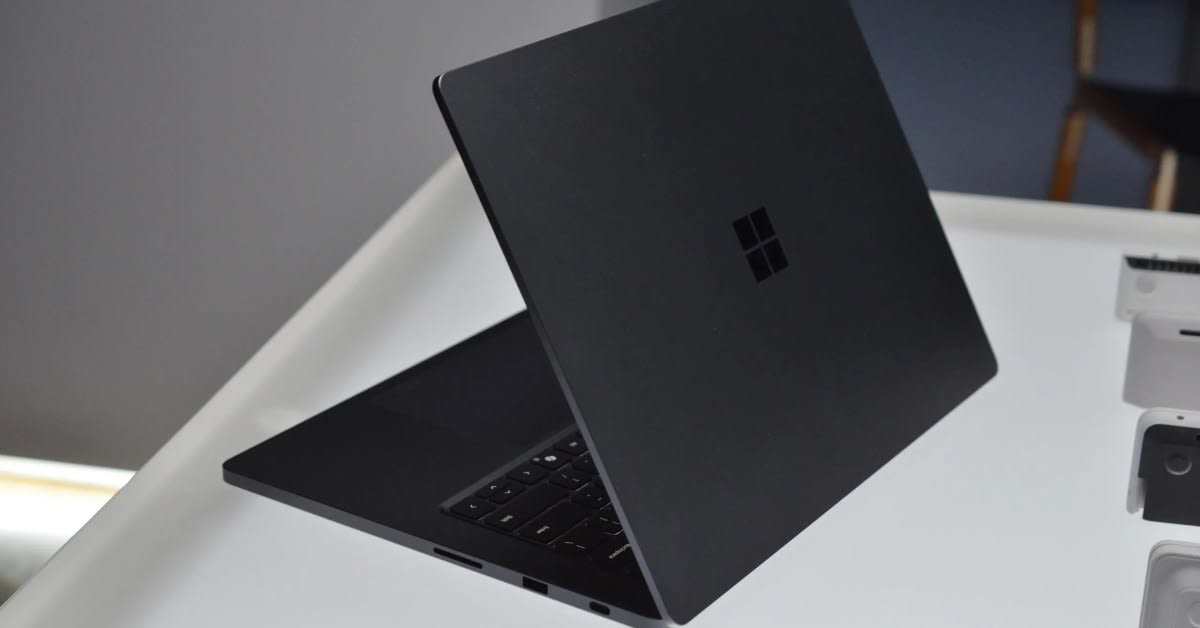
Microsoft has unveiled significant upgrades to its Copilot AI, enabling deeper OS integration and local file access. Simultaneously, the company announced the October 16th launch of the Surface Laptop Ultra, featuring Nvidia’s new RTX Spark Arm-based chip.
Microsoft Unveils the Future of Hybrid Intelligence
Microsoft has officially signaled a paradigm shift in personal computing at its latest Windows and Surface event in San Francisco. By introducing an upgraded Copilot AI system, the tech giant is moving beyond cloud-only processing, granting the AI the capability to interface directly with local files on a user's PC and execute tasks across the Windows operating system. This evolution is central to Microsoft's new "Hybrid Intelligence" framework, which seeks to blend local processing power with cloud capabilities to create a more responsive and context-aware computing experience.
The Strategic Pivot to Local AI
The integration of Copilot into the core of Windows signifies that Microsoft is prioritizing low-latency, privacy-centric AI interactions. By allowing the AI to act across the OS, Microsoft is effectively turning Windows into an agent-based environment rather than a static platform. This shift is expected to redefine user productivity, as the system can now understand and manipulate data directly from the user's hard drive without necessarily requiring constant data transmission to the cloud, addressing both performance concerns and data sovereignty requirements.
Hardware Powering the AI Revolution
Central to this new era is the Surface Laptop Ultra, which serves as the flagship vehicle for Microsoft’s latest innovations. Equipped with Nvidia’s new Arm-based RTX Spark chip, the device is explicitly engineered to handle the intensive demands of local AI tasks, gaming, and creative software. With configurations supporting up to 128GB of unified memory, the hardware is clearly targeted at professional users who require high-performance computing power to run large language models and other AI-driven workflows locally.
High-End Positioning and Market Impact
With a starting price of $2,599, the Surface Laptop Ultra is positioned firmly at the premium end of the market. The inclusion of a 15-inch HDR touchscreen with 2,000 nits of peak brightness and a haptic-feedback trackpad highlights Microsoft’s intent to compete directly with high-end workstations like the MacBook Pro. This pricing strategy suggests that Microsoft is banking on early adopters and creative professionals to drive the initial wave of its "Hybrid Intelligence" ecosystem.
Collaborative Innovation
The event featured a high-profile "conversation" between Microsoft CEO Satya Nadella and Nvidia CEO Jensen Huang, underscoring the deep synergy between the two companies. This partnership is critical; Nvidia’s RTX Spark architecture provides the necessary silicon to make local AI performant enough for daily use, while Microsoft provides the OS layer. This collaboration is likely to set the standard for the next generation of Windows laptops, where Arm-based chips and integrated AI capabilities become the baseline rather than the exception.
Future Trends and Conclusion
Looking ahead, the shift toward "Hybrid Intelligence" is likely to force the entire PC industry to rethink hardware requirements. As AI tools become more ingrained in the operating system, the demand for specialized NPU (Neural Processing Unit) power will grow, potentially rendering traditional CPU-only laptops obsolete for power users. Microsoft’s aggressive push into this space suggests that the "next chapter of the PC" will be defined by how effectively manufacturers can bridge the gap between hardware performance and AI-driven automation.
Multiple Citing Sources