Microsoft packages business AI in single app as it tries to compete with Anthropic
Source Entity
US Top News and Analysis
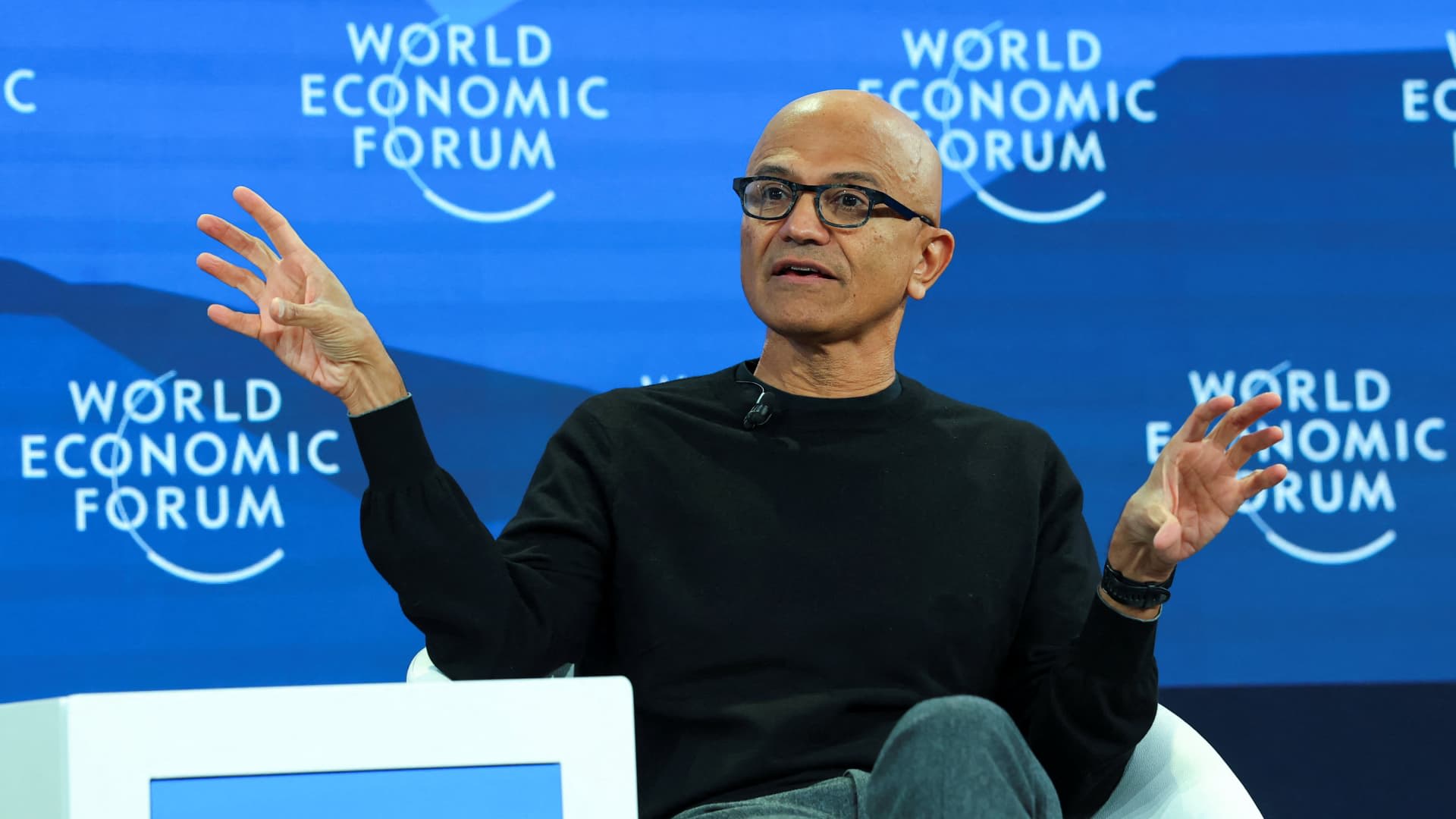
Microsoft is consolidating its AI strategy by launching a unified Copilot 'super app' that integrates chat, coding, and agents. This move aims to boost adoption among Office 365 users while the company simultaneously pivots away from the 'Copilot Plus PC' branding.
Microsoft’s Strategic Pivot: The Quest for AI Dominance
Microsoft is currently navigating a pivotal moment in its corporate strategy, attempting to secure a dominant foothold in the enterprise AI sector. Despite holding a massive install base of over 450 million commercial Office 365 seats, the company has struggled to convert this reach into AI revenue, with fewer than 7% of those seats currently licensed for its advanced AI tools. This challenge is underscored by the competitive pressure from firms like Anthropic, which have gained significant traction in the professional software market.
The 'Super App' Consolidation
To address this stagnation, Microsoft has introduced a redesigned Copilot 'super app' designed to centralize its disparate AI offerings. By bundling chat, coding capabilities, and agent-based automation into a single interface, Microsoft hopes to simplify the user experience and drive higher engagement. The app features a three-tab structure—Home, Code, and Autopilot—with the 'Home' tab serving as a centralized dashboard for emails, meeting requests, and Teams threads. This shift represents a move toward a more cohesive, utility-driven AI ecosystem rather than isolated products.
Rebranding and Strategic Evolution
The launch of the super app also marks a branding shift, with the AI personal assistant previously known as 'Scout' being renamed 'Autopilot.' This rebranding suggests a desire to align the assistant more closely with the broader Copilot brand identity, likely to reduce consumer confusion. By consolidating these tools, Microsoft is attempting to mirror the ubiquity of its Office suite, hoping that the utility of these agents will eventually become as essential to the modern workplace as Word or Excel.
The Decline of 'Copilot Plus PC'
Simultaneously, Microsoft appears to be distancing itself from the 'Copilot Plus PC' branding. Despite initial efforts to market these devices as the gold standard for on-device AI performance, recent reports indicate that the company is moving away from the label, even for new hardware that meets the necessary technical specifications. This suggests a potential recognition that the hardware-specific branding did not resonate as intended with the consumer base.
Broader Market Implications
Microsoft’s current strategy highlights the inherent difficulty of monetizing generative AI in the enterprise space. While the company maintains a dominant position in business software, the gap between having a product and achieving widespread adoption remains significant. By simplifying its interface and focusing on productivity-heavy features like coding and automated workflows, Microsoft is betting that a more intuitive, 'all-in-one' approach will finally bridge the gap to its massive existing user base.
Future Outlook
The success of this strategy hinges on whether Microsoft can convince its 450 million Office 365 users that these integrated AI tools offer tangible productivity gains that justify the additional cost. As the enterprise AI market matures, the ability to provide a seamless, unified experience will likely be the deciding factor in whether Microsoft can fend off agile competitors and cement itself as the primary AI provider for the global workforce.