Microsoft is killing its great tasks app in favor of its worse tasks app
Source Entity
David Pierce
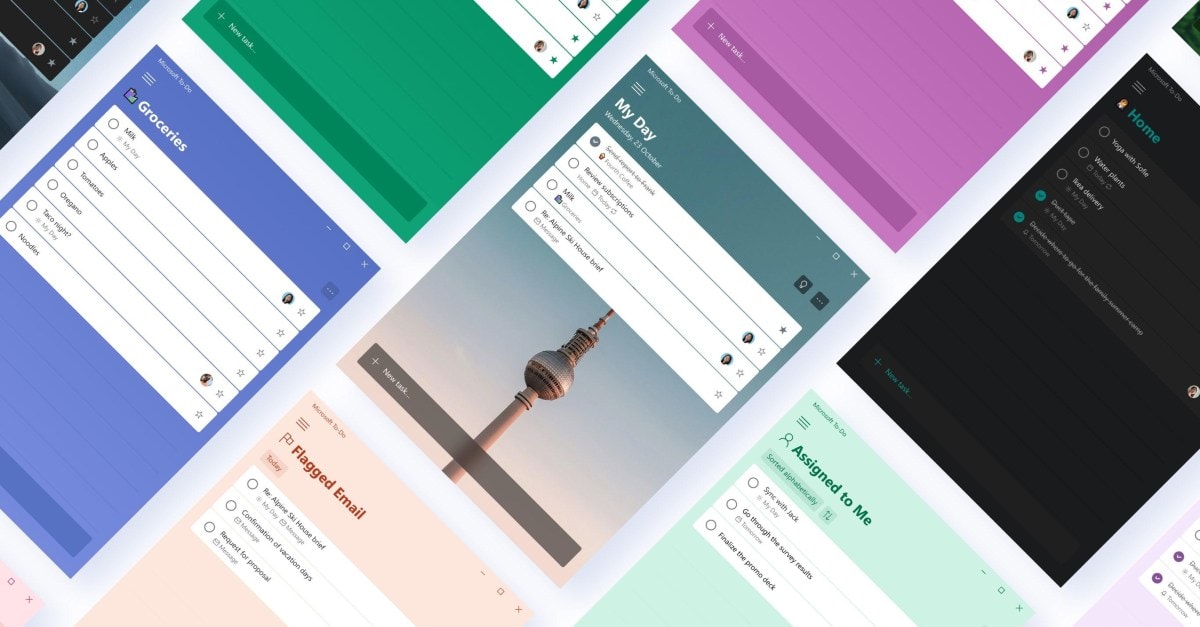
Microsoft is retiring its To Do app by June 30, 2027, as it consolidates task management into the Planner app. This move signals a significant shift in Microsoft's ecosystem, forcing a transition that lacks automated migration for business users.
The End of an Era: Microsoft’s Pivot to Planner
In a move that marks the conclusion of a decade-long saga, Microsoft has announced the retirement of its To Do application, effective June 30, 2027. This decision effectively sunsets the technology inherited from the 2015 acquisition of Wunderlist, a popular task management tool purchased for an estimated $200 million. While Microsoft initially maintained the spirit of Wunderlist by transforming it into the widely utilized Microsoft To Do, the company is now opting to centralize its productivity ecosystem under the Planner brand.
The Legacy of the Wunderlist Acquisition
When Microsoft first acquired Wunderlist in 2015, the tech community was deeply skeptical. Fans of the platform feared that the corporate giant would strip the app of its intuitive design or lock it behind restrictive enterprise paywalls. Surprisingly, Microsoft proved to be a capable steward for several years, preserving the core functionality that made the app beloved. By evolving it into Microsoft To Do, the company successfully integrated the tool across various platforms, maintaining a balance between enterprise utility and consumer accessibility.
Strategic Consolidation: The Role of Copilot
The impetus for this retirement appears to be a desire for a more unified architecture. Buried within a broader announcement regarding "unified tasks and plans for Copilot and Microsoft 365," the retirement of To Do is part of a larger strategy to leverage AI-driven productivity. By streamlining task management into Planner, Microsoft aims to create a cohesive backend that can better support the complex data requirements of Copilot, its flagship generative AI assistant.
The Burden of Transition for Business Users
Despite the strategic logic, the transition poses significant operational challenges. The most pressing issue for organizations is the lack of a clear migration path. Microsoft has indicated that business users will be required to shift to the Planner app starting next summer, but the company will not be providing automated migration tools. This leaves IT departments to navigate the manual transfer of workflows, potentially resulting in data loss or significant downtime for teams reliant on To Do.
Future Implications and User Experience
This shift reflects a broader trend among tech giants to consolidate fragmented applications into singular, "all-in-one" enterprise suites. While this creates a more powerful backend for AI integration, it often comes at the expense of the lightweight, user-centric design that made apps like Wunderlist successful. As the 2027 deadline approaches, users will likely face a steep learning curve as they migrate to the more complex, project-focused environment of Planner.
Conclusion: A Shift Toward Enterprise Uniformity
Ultimately, the retirement of Microsoft To Do represents a transition from consumer-friendly task management to enterprise-grade project planning. While this move aligns with Microsoft’s focus on 365 integration and AI, the lack of a seamless migration path suggests that efficiency for the vendor may come at the cost of friction for the user. As the sunset date nears, organizations will need to prioritize data integrity and workflow continuity to avoid the pitfalls of this forced migration.