Modi and Trump discuss ties, PM flags concerns about US’ Russia law
Source Entity
SACHIN PARASHAR
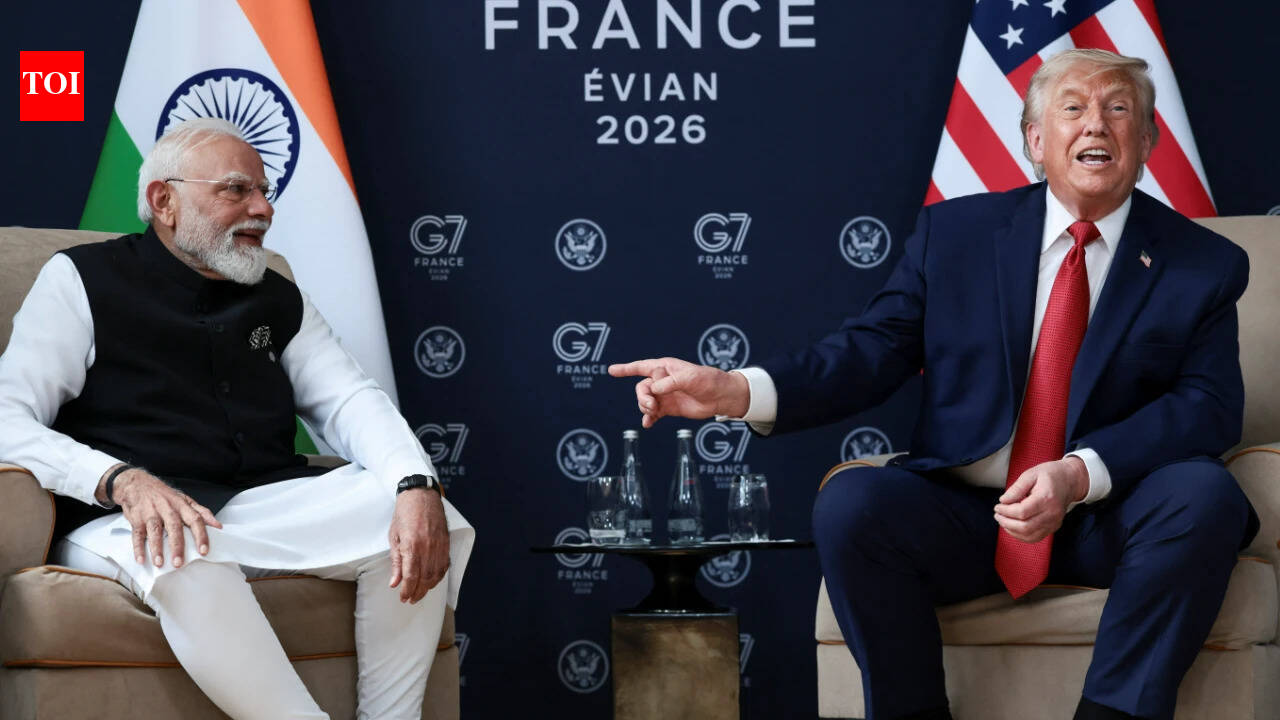
Prime Minister Narendra Modi and President Donald Trump held a high-level discussion covering trade, defense, and energy sectors. The conversation addressed critical friction points regarding U.S. legislation that could impose heavy tariffs on nations importing Russian energy.
Strategic Diplomatic Engagement: Modi and Trump Reconnect
Prime Minister Narendra Modi and U.S. President Donald Trump held a significant telephonic conversation this Wednesday, marking their first direct communication since April. This dialogue, framed by both parties as a review of their Comprehensive Global Strategic Partnership, serves as a critical temperature check for U.S.-India relations. The conversation spanned core pillars of the bilateral relationship, including trade, defense, energy, and the advancement of critical technologies.
Navigating the Shadow of Russian Energy Sanctions
The timing of this call is particularly sensitive, occurring in the wake of new U.S. legislation that empowers the administration to impose tariffs of up to 100 percent on countries—including India and China—that continue to import Russian energy. This legislative development creates a tangible point of friction that threatens to undermine the otherwise robust economic and strategic cooperation between New Delhi and Washington. During the call, Prime Minister Modi reportedly raised India’s specific concerns regarding this law, signaling that energy security remains a non-negotiable priority for India’s domestic economic stability.
Historical Context of the Partnership
The relationship between India and the U.S. has evolved rapidly over recent years, moving from cautious engagement to a deep, multi-faceted alliance. The previous interaction between the two leaders, which took place in April regarding a ceasefire between the U.S. and Iran, underscores the global scale at which these two leaders coordinate. Their ability to maintain a dialogue even when faced with divergent geopolitical interests, such as the Russian energy issue, speaks to the resilience of the 'Comprehensive Global Strategic Partnership.'
Analyzing the Trade and Defense Nexus
Beyond the immediate dispute over energy, the discussion touched upon the broader landscape of trade and defense. The U.S. and India have increasingly relied on one another to balance regional security interests and supply chain diversification. By discussing 'critical technologies,' both leaders are signaling a commitment to future-proofing their economies against global volatility. However, the threat of 100 percent tariffs acts as a significant drag on these aspirations, forcing both administrations to balance domestic populist pressures with long-term strategic alliances.
Future Trends and Diplomatic Outlook
The lack of an immediate White House readout following the call suggests that while the conversation was productive, the resolution of the tariff issue remains a work in progress. Moving forward, the trajectory of this relationship will likely depend on India’s ability to navigate U.S. sanction mandates without compromising its own energy security, and the U.S. administration’s willingness to offer exemptions for strategic partners. Both nations are currently in a delicate phase where diplomatic maneuvering is essential to prevent trade disputes from spiraling into a broader cooling of ties.
Conclusion
In summary, the phone call between PM Modi and President Trump highlights a mature, albeit complex, geopolitical relationship. While both leaders are committed to deepening cooperation in defense and technology, the looming specter of U.S. tariffs on Russian energy imports poses a substantial challenge. The coming months will be a litmus test for whether the 'Comprehensive Global Strategic Partnership' can withstand the pressures of global energy politics or if it will require significant recalibration to accommodate the divergent national interests of both countries.