China dominates battery graphite, but this startup could break the monopoly
Source Entity
Tim De Chant
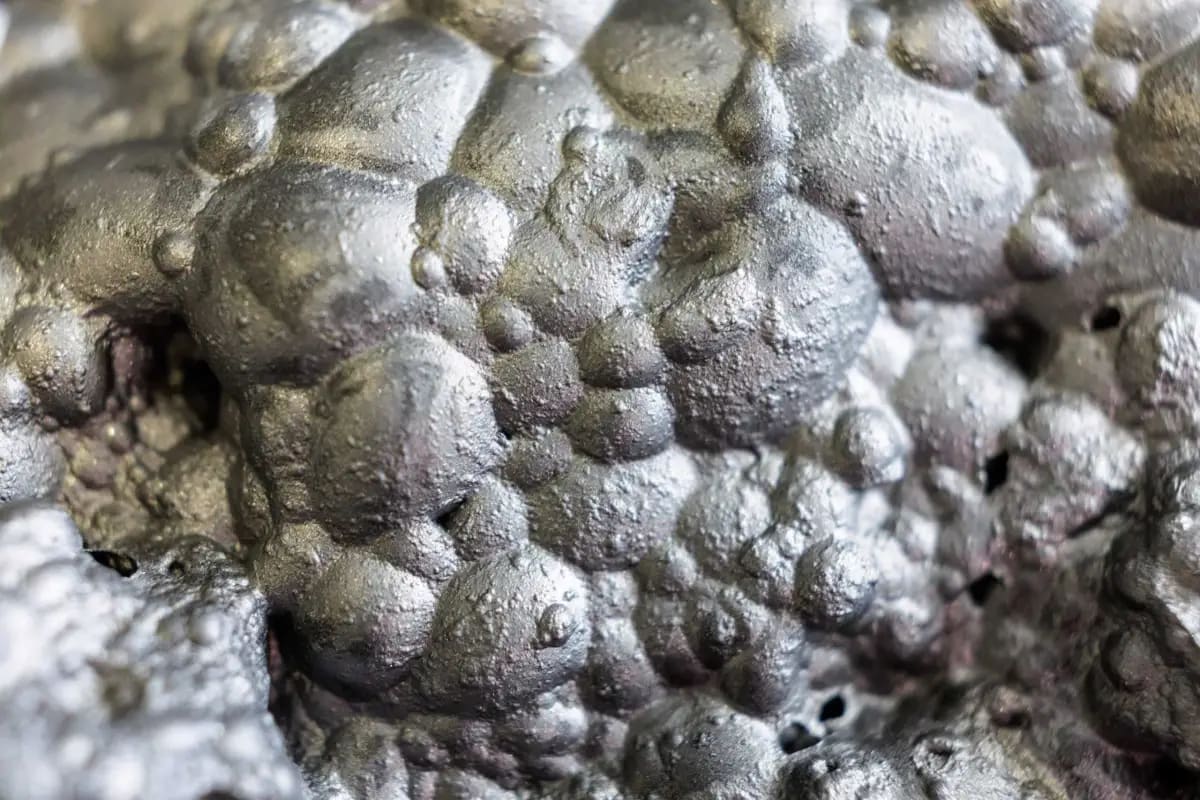
Molten Industries has launched a demonstration plant in Oakland to challenge China's near-total dominance of the global graphite supply chain. This move aims to localize battery production and reduce U.S. dependency on synthetic graphite for electric vehicle batteries.
The Strategic Shift in Battery Material Sovereignty
For the past decade, the global transition toward electric mobility has been shadowed by a critical vulnerability: the concentration of raw material processing within Chinese borders. While the United States has aggressively pursued localized electric vehicle (EV) manufacturing, the supply chain for essential components, specifically the anode material in lithium-ion batteries, has remained tethered to Chinese industrial output. Graphite, the fundamental material for storing battery charges, represents the most significant bottleneck in this dependency, with China currently controlling approximately 75% of the global graphite anode supply chain.
The Monopoly of Synthetic Graphite
The reliance on China is most acute regarding synthetic graphite, a material engineered for superior performance in high-capacity energy storage. Data from Benchmark Mineral Intelligence reveals that China commands a staggering 97% of synthetic graphite anode production. This near-total monopoly poses a significant geopolitical and economic risk, as it allows for price volatility and supply chain disruptions that could stifle the growth of the Western EV sector. Despite a recent cooling in consumer EV sales growth, the underlying infrastructure market—specifically the demand for batteries—has quintupled over the last five years, highlighting the urgent need for domestic alternatives.
Molten Industries: A New Frontier in Oakland
In response to these systemic challenges, the five-year-old startup Molten Industries has emerged as a potential disruptor. By launching a demonstration plant in Oakland, California, the company is attempting to prove that advanced technology can effectively localize the production of battery-grade graphite. This facility serves as a critical proof-of-concept, aiming to validate a manufacturing process that could eventually decouple American battery production from its reliance on foreign synthetic graphite sources.
Broader Economic and Industrial Implications
The success of Molten Industries would represent more than just a technological win; it would signal a major shift in industrial policy. The transition from a globalized, China-centric supply chain to a decentralized, regional model is essential for the long-term viability of the American automotive industry. As U.S. automakers work to meet federal requirements for domestic sourcing, the ability to manufacture key battery ingredients domestically will likely become a competitive advantage, insulating manufacturers from trade tensions and logistical bottlenecks.
Future Trends and Market Sustainability
Looking ahead, the scalability of Molten Industries’ technology will be the primary metric for industry observers. If the Oakland facility proves that synthetic graphite can be produced efficiently and sustainably at scale, it could trigger a wave of investment in domestic battery material processing. While the market for EVs has seen a temporary plateau in growth, the long-term trajectory for battery demand remains exponential. By establishing a domestic footprint now, startups like Molten are positioning themselves at the center of a critical strategic pivot that will define the next generation of energy storage and industrial autonomy.