Meeting with local stakeholders held to prepare zonal master plan for ESZ around MTR
Source Entity
India Latest News: Top National Headlines Today & Breaking News | The Hindu
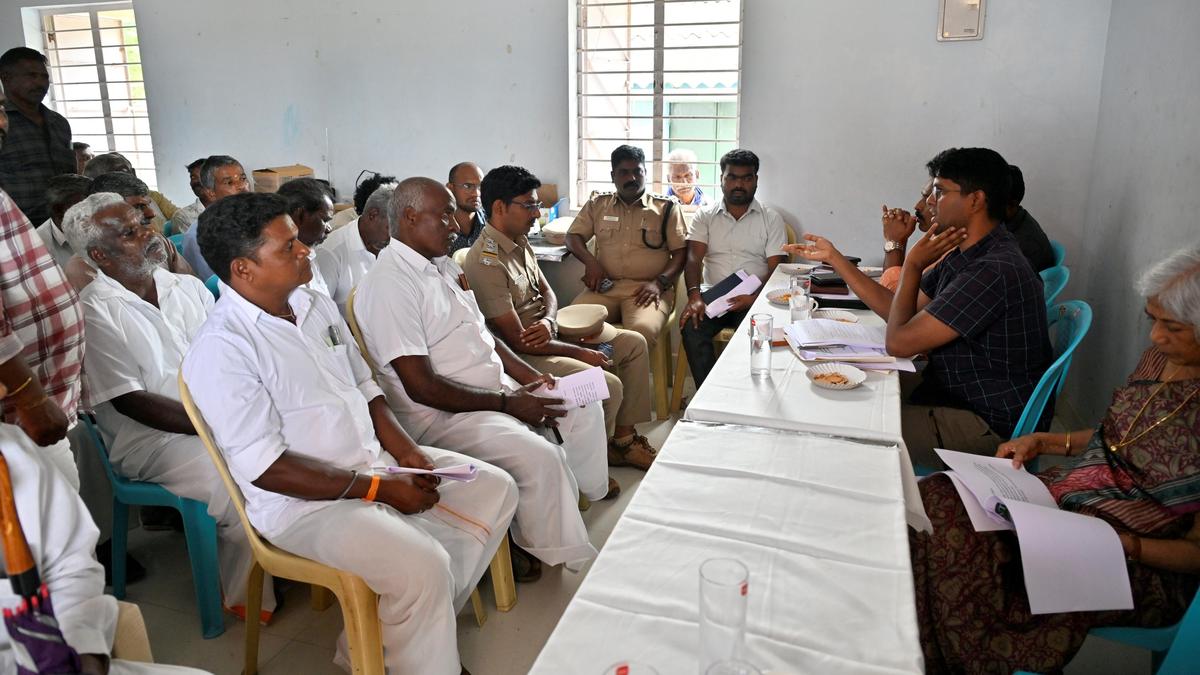
The Centre had notified a total area of 852.151 sq.km around the boundary of MTR as an eco-sensitive zone; meeting to prepare zonal master plan was held with Adivasis, farmers, resort owners and vehicle safari operators
Collaborative Planning for the Mudumalai Tiger Reserve's Eco-Sensitive Zone
The Central Government has initiated a critical consultative process to develop a comprehensive zonal master plan for the Eco-Sensitive Zone (ESZ) surrounding the Mudumalai Tiger Reserve (MTR). By notifying a total area of 852.151 sq.km as an ESZ, the government is attempting to create a protective buffer that shields the core wildlife habitat from uncontrolled urban expansion and industrial encroachment. The recent meeting with local stakeholders—ranging from indigenous Adivasi communities and farmers to resort owners and safari operators—marks a pivotal step in ensuring that the conservation goals of the reserve are balanced with the socio-economic needs of the people living on its periphery.
The Strategic Role of the Eco-Sensitive Zone (ESZ)
An Eco-Sensitive Zone serves as a transition area between protected areas (like the Tiger Reserve) and the developed landscape. The notification of 852.151 sq.km is not a random designation but a strategic effort to maintain ecological integrity. These zones are designed to minimize the negative impact of human activities on the core forest area while promoting a sustainable coexistence. By establishing a zonal master plan, the government aims to regulate activities such as construction, mining, and intensive agriculture, ensuring that the biological corridors used by tigers and elephants remain unobstructed and functional.
Balancing Indigenous Rights and Agricultural Interests
One of the most sensitive aspects of this master plan is the inclusion of Adivasis and local farmers. For generations, indigenous communities have coexisted with the forests of the Nilgiris, and any restrictive zoning can potentially impact their traditional land-use rights and livelihoods. The inclusion of these groups in the planning process is essential to prevent the alienation of forest-dwelling communities. For farmers, the ESZ often brings regulations regarding pesticide use and land conversion, which can be contentious. By engaging them directly, the administration seeks to find a middle ground where agricultural productivity does not come at the cost of wildlife health or habitat fragmentation.
Regulating Commercial Tourism and Safari Operations
Tourism is a double-edged sword for the Mudumalai region. While resort owners and vehicle safari operators drive the local economy and generate employment, unregulated tourism can lead to severe habitat degradation, noise pollution, and stress for the animal population. The zonal master plan is expected to introduce stricter guidelines for the operation of resorts and the movement of safari vehicles within the 852.151 sq.km area. By integrating these commercial stakeholders into the conversation, the government can implement sustainable tourism models that ensure long-term profitability without compromising the environmental sanctity of the tiger reserve.
The Blueprint for Sustainable Development
A zonal master plan acts as a regulatory framework that replaces haphazard growth with planned development. Without such a plan, the periphery of MTR would be susceptible to illegal constructions and unplanned settlements, which inevitably increase the frequency of human-wildlife conflict. The plan will likely categorize activities into 'prohibited,' 'regulated,' and 'permitted' lists, providing a clear legal roadmap for what can be built or operated within the ESZ. This structured approach is vital for maintaining the hydrological balance and the floral diversity that supports the reserve's prey base.
Broader Implications for Biodiversity and Conflict Mitigation
Beyond the immediate boundaries of the ESZ, this initiative has broader implications for the Nilgiri Biosphere Reserve. Mudumalai is a critical link in a larger network of protected areas. Ensuring that the 852.151 sq.km buffer is well-managed helps in reducing the 'edge effect,' where the boundary between forest and human settlement becomes a flashpoint for conflict. If the zonal master plan successfully integrates the needs of the Adivasis and farmers with conservation mandates, it could serve as a national model for managing tiger reserve peripheries across India, reducing crop raiding by elephants and livestock predation by tigers.
Conclusion: A Path Toward Coexistence
The success of the MTR zonal master plan will depend on the genuine integration of the feedback received from the diverse stakeholder groups. By moving away from a top-down regulatory approach and toward a participatory planning model, the Centre is acknowledging that conservation cannot succeed in isolation from the people. The final master plan will be a testament to whether the state can successfully harmonize the rigorous demands of wildlife protection with the fundamental rights and economic aspirations of the local population.
Verification Required?