One hospitalised, two suffer breathing difficulties after Mumbai AC local cooling system fails
Source Entity
India Latest News: Top National Headlines Today & Breaking News | The Hindu
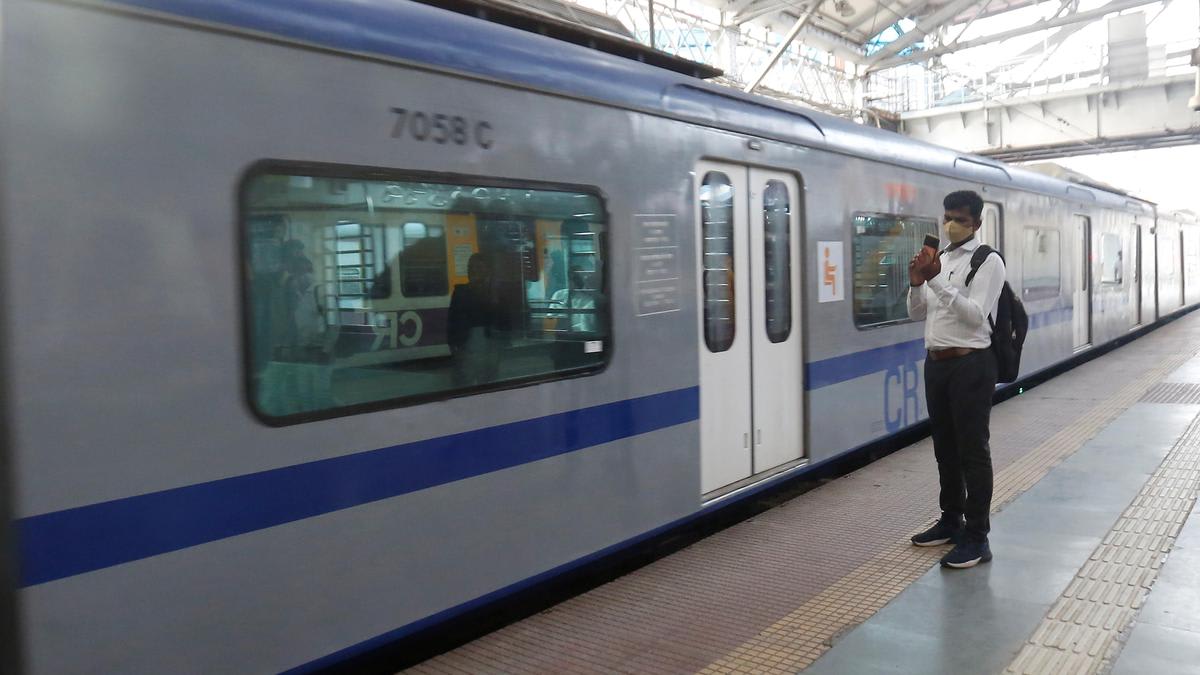
According to Railway officials, the incident occurred during peak hours at around 9.26 a.m. when the AC-system of the 8.33 a.m. Titwala-CSMT local developed a technical error, shutting down the cooling system
Technical Failure Leads to Medical Emergency in Mumbai Local
In a concerning incident during the morning rush hour, a technical malfunction in the air conditioning system of a Mumbai suburban train caused significant distress to commuters. The 8:33 a.m. Titwala-CSMT local experienced a complete shutdown of its cooling system at approximately 9:26 a.m. This failure led to a rapid increase in temperature and a decline in air quality within the coaches, resulting in one passenger being hospitalized and two others suffering from acute breathing difficulties.
The Danger of Sealed Environments
To understand the severity of this event, it is crucial to distinguish between the traditional 'non-AC' local trains and the newer AC rakes. Traditional locals feature open doors and windows, allowing for constant, albeit chaotic, natural ventilation. In contrast, AC coaches are hermetically sealed to maintain a controlled climate. When the cooling system fails in such a sealed environment, the coach can quickly become a heat trap. The combination of Mumbai's humid climate and the lack of airflow creates a hazardous environment where oxygen levels can feel depleted, leading to the respiratory distress reported in this incident.
The Impact of Peak-Hour Density
The timing of the failure—during the peak morning commute—significantly compounded the risks. The Titwala-CSMT corridor is one of the most heavily utilized stretches of the Central Line. In a packed AC coach, the heat load is generated not only by the external weather but also by the collective metabolic heat of hundreds of passengers. When the HVAC system stopped functioning, the density of the crowd likely accelerated the rise in temperature and increased the feeling of suffocation, making it nearly impossible for passengers to move or access ventilation.
Modernization vs. Reliability
The introduction of AC locals was a strategic move by the railway authorities to modernize urban transit and provide a more comfortable experience for the millions who rely on the 'lifeline of Mumbai.' However, this event highlights a critical vulnerability: the reliance on a single technological system for both cooling and ventilation. While the upgrade improves daily comfort, it introduces a 'single point of failure' that can transform a commute into a medical emergency. This incident raises questions about the redundancy of ventilation systems in these sealed coaches.
Future Safety Implications and Trends
Moving forward, this incident underscores the need for enhanced 'fail-safe' mechanisms within AC rakes. Expert analysis suggests that railway authorities may need to implement emergency exhaust systems or automated door-release protocols that trigger immediately upon a cooling system failure. As the fleet of AC locals expands to meet growing demand, ensuring that technical glitches do not escalate into health crises is paramount. Rigorous maintenance schedules and real-time monitoring of HVAC health will be essential to prevent a recurrence.
Summary of the Incident
Ultimately, the failure of the AC system on the Titwala-CSMT local serves as a cautionary tale regarding the intersection of high-density transit and closed-system technology. The hospitalization of a passenger is a stark reminder that while luxury and comfort are desirable, they must never come at the expense of basic safety and breathability. The railway administration must now address these technical gaps to ensure that the modernization of Mumbai's transport network remains safe for all commuters.
Verification Required?