Watch: Passenger, TC clash over Marathi language on Mumbai local
Source Entity
TOI CITY DESK
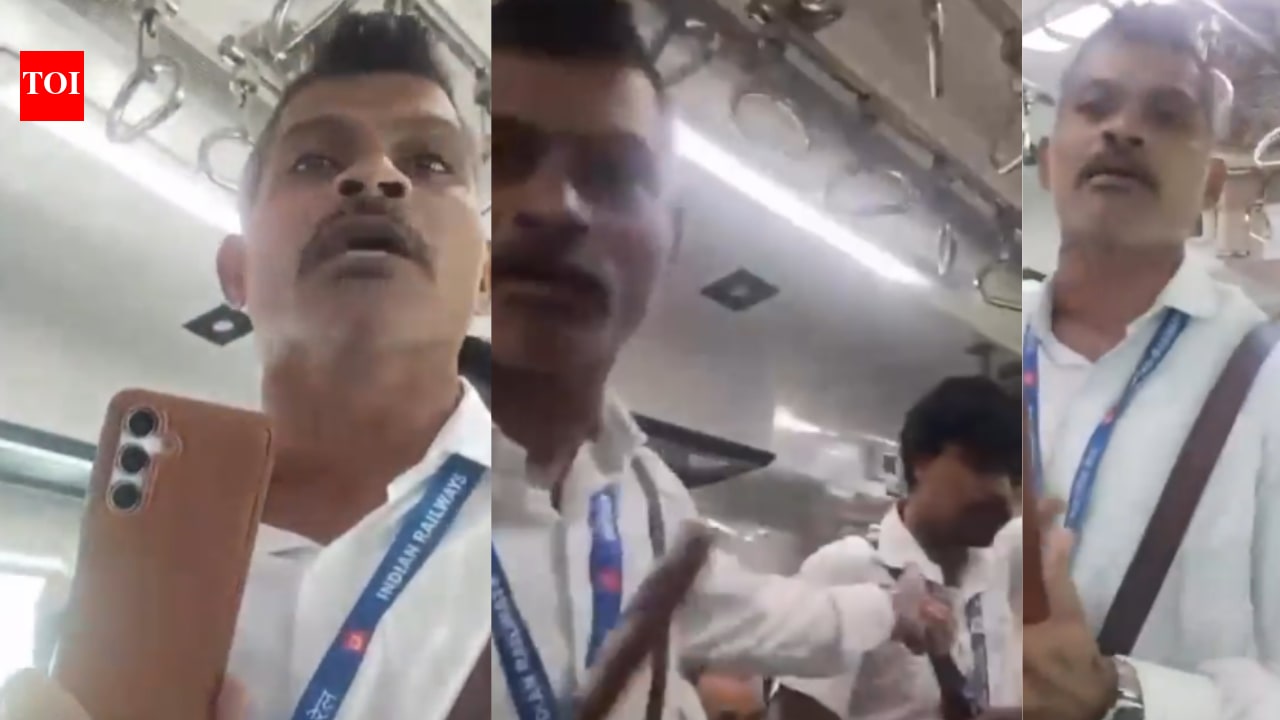
Railway authorities are investigating a viral video of an argument on a Mumbai local train. The dispute reportedly began after a passenger spoke in Marathi with railway staff. A ticket checker intervened, and both parties later approached the police. The railway is examining the video and the overall incident. Suitable action will be taken after the preliminary investigation concludes.
Linguistic Friction on the Tracks: Analysis of the Mumbai Local Clash
An incident on a Mumbai local train has once again highlighted the sensitive intersection of language, identity, and public service. A viral video has captured a confrontation between a passenger and a Ticket Collector (TC), where the dispute reportedly escalated after the passenger addressed the railway staff in Marathi. This event, while appearing as a localized argument, reflects deeper socio-linguistic tensions prevalent in Maharashtra's capital. The railway authorities have since initiated an investigation into the conduct of both parties, with police involvement ensuring that the matter is handled through formal legal channels rather than street-level escalation.
The Socio-Political Context of Language in Mumbai
To understand why a conversation in Marathi could lead to a police report, one must look at the historical and political landscape of Mumbai. As the capital of Maharashtra, Marathi is the official state language and a core pillar of regional identity. However, Mumbai is also a global cosmopolitan hub, attracting millions of migrants from across India who speak a variety of languages. This duality often creates a friction point where the push for the primacy of the local language clashes with the multilingual reality of the city's workforce and commuters. In this specific incident, the use of Marathi likely became a flashpoint for perceived disrespect or regional assertion, turning a routine ticket check into a symbolic confrontation.
The Role of Public Transport as a Social Microcosm
Mumbai's local trains are often described as the "lifeline of the city," but they also function as a social microcosm where diverse demographics are packed into tight spaces. In such high-stress environments, minor misunderstandings can rapidly escalate. The interaction between a government employee (the TC) and a citizen (the passenger) carries an inherent power dynamic. When language is introduced as a point of contention, the dispute shifts from a service-related issue to one of identity. The fact that this incident required police intervention suggests that the argument transcended a simple disagreement, touching upon the sensitive nerves of linguistic pride and administrative authority.
Digital Evidence and Public Accountability
The role of the "viral video" in this incident is critical. In the modern era, the presence of a smartphone camera transforms a private dispute into a public trial. The railway authorities were forced to react not necessarily because of a formal complaint, but because the video gained traction on social media. This trend of "citizen journalism" acts as a double-edged sword; while it ensures that the actions of public officials are scrutinized and held accountable, it can also lead to "trial by media," where the full context of the interaction is lost in a short, edited clip. The railway's commitment to a "preliminary investigation" is a necessary step to separate the viral narrative from the factual sequence of events.
Administrative Implications and Future Trends
This incident underscores the need for enhanced sensitivity training for frontline railway staff. As the face of the Indian Railways, TCs must be equipped to handle a multilingual populace with diplomacy to prevent linguistic disputes from escalating. Looking forward, we can expect an increase in such incidents as regional identity movements gain momentum across India. The railway's response will set a precedent for how linguistic grievances are handled on public transport. If the investigation finds that the staff member was dismissive of the local language, it could spark wider criticism regarding the inclusivity of central government services in regional hubs.
Conclusion
The clash on the Mumbai local is more than a mere argument; it is a symptom of the ongoing negotiation between regional identity and urban cosmopolitanism. While the railway authorities seek a resolution through investigation, the event serves as a reminder of the volatility that language can introduce into public interactions. Ensuring a balance between the respect for the official state language and the practical needs of a diverse population remains a primary challenge for administrators in Mumbai.