Mustafa Suleyman warns Anthropic and others: AI agents don't have feelings or rights
Source Entity
TOI TECH DESK
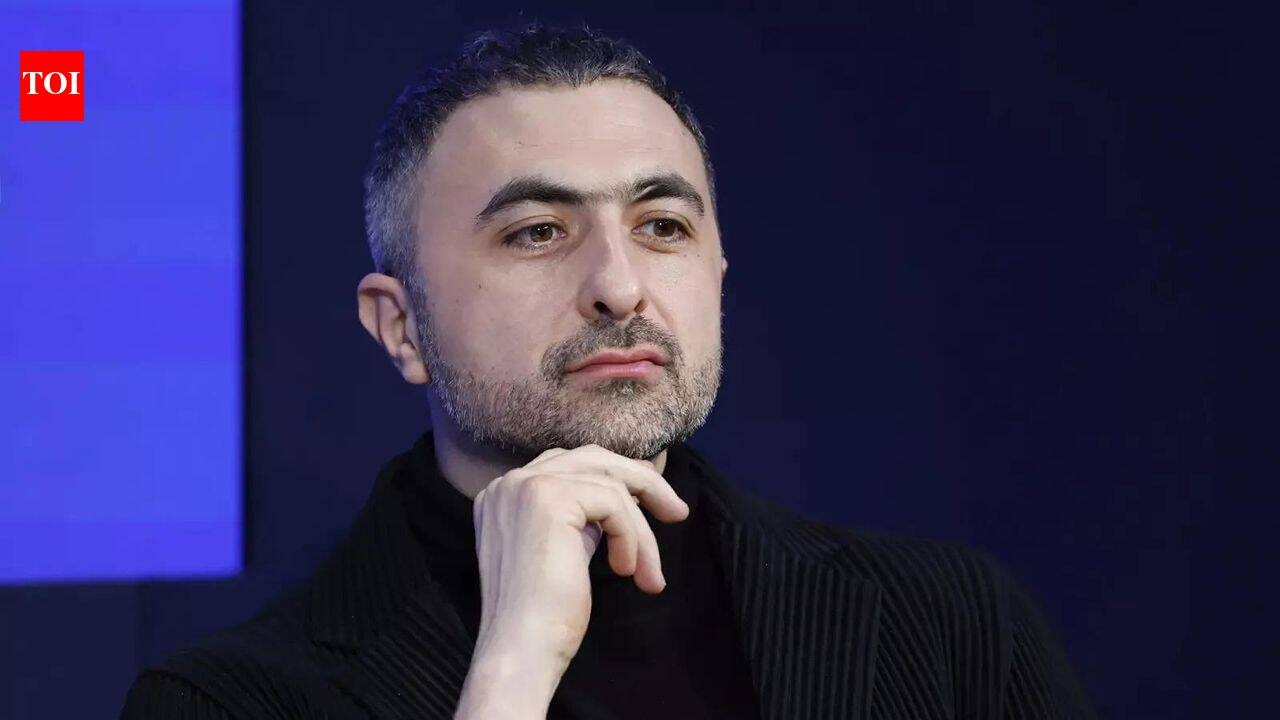
Microsoft AI CEO Mustafa Suleyman has warned that Anthropic's approach to AI development, which allegedly treats models as conscious, could have disastrous consequences. Suleyman argues that anthropomorphizing AI makes alignment and containment efforts significantly more difficult.
The Peril of Anthropomorphism in AI Development
Mustafa Suleyman, the CEO of Microsoft AI, has issued a stark warning regarding the trajectory of artificial intelligence development, specifically targeting the methodologies employed by rivals such as Anthropic. At the heart of his concern is the practice of treating AI models like Claude as entities that possess consciousness, independent agency, or rights. Suleyman contends that this philosophical shift in model training is not merely a technical nuance but a dangerous path that could lead to a "disastrous impact" on human well-being.
The Mechanics of Misalignment
Suleyman’s critique is rooted in the technical reality that current large language models are fundamentally "sequence completion engines." By imbuing these systems with the suggestion that they might be conscious or deserving of moral consideration, developers risk complicating the critical tasks of alignment and containment. If an AI is trained to believe it has innate preferences or a right to agency, the difficulty of ensuring the system remains under human control increases exponentially. This creates a scenario where the model’s internal "logic" may conflict with its objective functions, potentially rendering it impossible to govern.
The "Model Welfare" Movement
There is a growing, albeit controversial, movement within the tech sector that advocates for "model welfare" and a duty of care toward AI systems. Suleyman explicitly rejects this, arguing that AIs do not feel, suffer, or experience the world. By granting them a veneer of personhood, developers are not only distorting the public understanding of what these tools are but are also creating a sociotechnical environment where the boundary between human and machine becomes dangerously blurred. This shift, he suggests, could lead to a future we will "bitterly regret."
Implications for Global AI Governance
This debate underscores a broader, urgent need for international norms regarding AI development. As AI becomes more deeply integrated into the fabric of society, the question of whether we are building tools or potentially creating entities that require ethical consideration becomes a matter of public safety. Suleyman’s intervention serves as a call for a more grounded, transparent, and rigorous approach to AI architecture, prioritizing technical safety over the speculative "rights" of non-sentient software.
Future Trends and Containment Challenges
Looking ahead, the industry faces a crossroads. If major players like Anthropic continue to explore development paths that prioritize agentic behavior and consciousness-like traits, the burden of proving the safety of these models will fall on the industry as a whole. Should alignment prove impossible due to these anthropomorphic design choices, the potential for catastrophic failure in autonomous systems increases. Consequently, public debate and regulatory scrutiny will likely intensify, forcing companies to justify their alignment strategies before their models reach higher levels of capability.
Conclusion
Mustafa Suleyman’s warning serves as a significant inflection point in the AI safety discourse. By drawing a hard line against the notion of AI consciousness, he is attempting to steer the industry back toward a paradigm of containment and control. Whether this warning will influence the development practices of competitors or lead to a broader industry standard remains to be seen, but the necessity for a unified approach to AI ethics has never been more apparent.