Governance must change for the age of AI, next 20 years crucial for India: Naidu
Source Entity
India Latest News: Top National Headlines Today & Breaking News | The Hindu
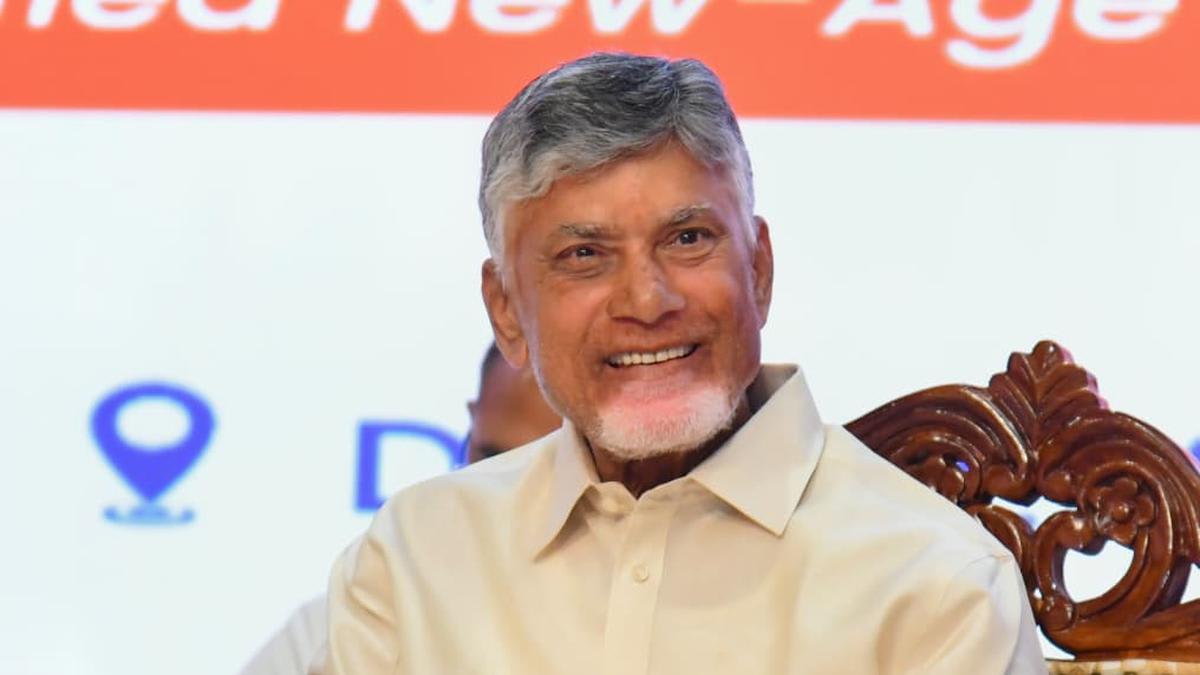
Andhra Pradesh CM Chandrababu Naidu has emphasized the need for governance reform to leverage AI for India's growth. He advocates for reduced regulation and continuous training for government staff to meet the country's development goals over the next two decades.
The Imperative for Governance Reform in the AI Era
Andhra Pradesh Chief Minister N. Chandrababu Naidu has set a bold vision for India’s administrative future, asserting that the transition from the IT revolution to the age of Artificial Intelligence (AI) necessitates a fundamental overhaul of governance. Speaking at a Mission Karmayogi workshop in Vijayawada, Naidu highlighted that the next two decades represent a defining window for India to capitalize on its demographic dividend and technological potential. This call to action underscores the friction between legacy bureaucratic structures and the rapid, iterative nature of emerging digital technologies.
Dismantling Regulatory Barriers
A central tenet of Naidu’s argument is the urgent need to prune unnecessary regulations. In an era where AI can automate complex decision-making and data analysis, rigid bureaucratic frameworks often act as bottlenecks rather than enablers. By advocating for a streamlined regulatory environment, Naidu suggests that India must pivot toward a 'facilitator' model of governance. This approach aims to reduce the friction that often hinders innovation, allowing the state to operate with the agility required to keep pace with the aspirations of a young, digitally-native population.
The Role of Mission Karmayogi
The context of the Mission Karmayogi workshop is highly significant. As a national initiative focused on capacity building within the civil service, it serves as the ideal platform for Naidu’s call for continuous learning. He emphasized that government employees must be trained to integrate AI into their daily operations. The implication here is clear: technology alone is insufficient without a workforce capable of wielding it. By institutionalizing training, the government seeks to transform the civil service from a traditional administrative body into a proactive, tech-augmented force.
Leveraging India’s Demographic Dividend
India’s unique position—a large youth population paired with rapid technological integration—is the foundation of Naidu’s optimism. The 'next 20 years' are framed as a critical period where the convergence of human capital and AI can propel the country toward higher economic growth. However, this potential is contingent upon the efficacy of institutional responses. If governance systems fail to evolve, the gap between societal aspirations and state output could widen, potentially stalling the country's development trajectory.
Future Trends and Institutional Evolution
Looking ahead, the shift toward AI-driven governance suggests a trend toward data-backed policy formulation and predictive administrative services. Naidu’s vision implies a future where administrative institutions are not just responsive, but anticipatory. As India moves further into this decade, the success of this transformation will likely depend on the state's ability to balance rapid digital adoption with the ethical considerations and regulatory oversight required to protect citizens, all while maintaining the momentum of the digital revolution.
Conclusion: A Strategic Roadmap
In summary, Chief Minister Naidu’s remarks serve as a strategic roadmap for a modernized Indian state. By focusing on the dual pillars of deregulation and human capacity building, the administration aims to bridge the gap between India’s current administrative state and its potential as a global technological leader. The next 20 years will serve as the ultimate test of whether these governance reforms can effectively harness the transformative power of AI to fulfill the national mandate.
Verification Required?