Neeru Dhanda wins India’s first-ever gold medal in women’s trap at ISSF World Cup
Source Entity
The Indian Express
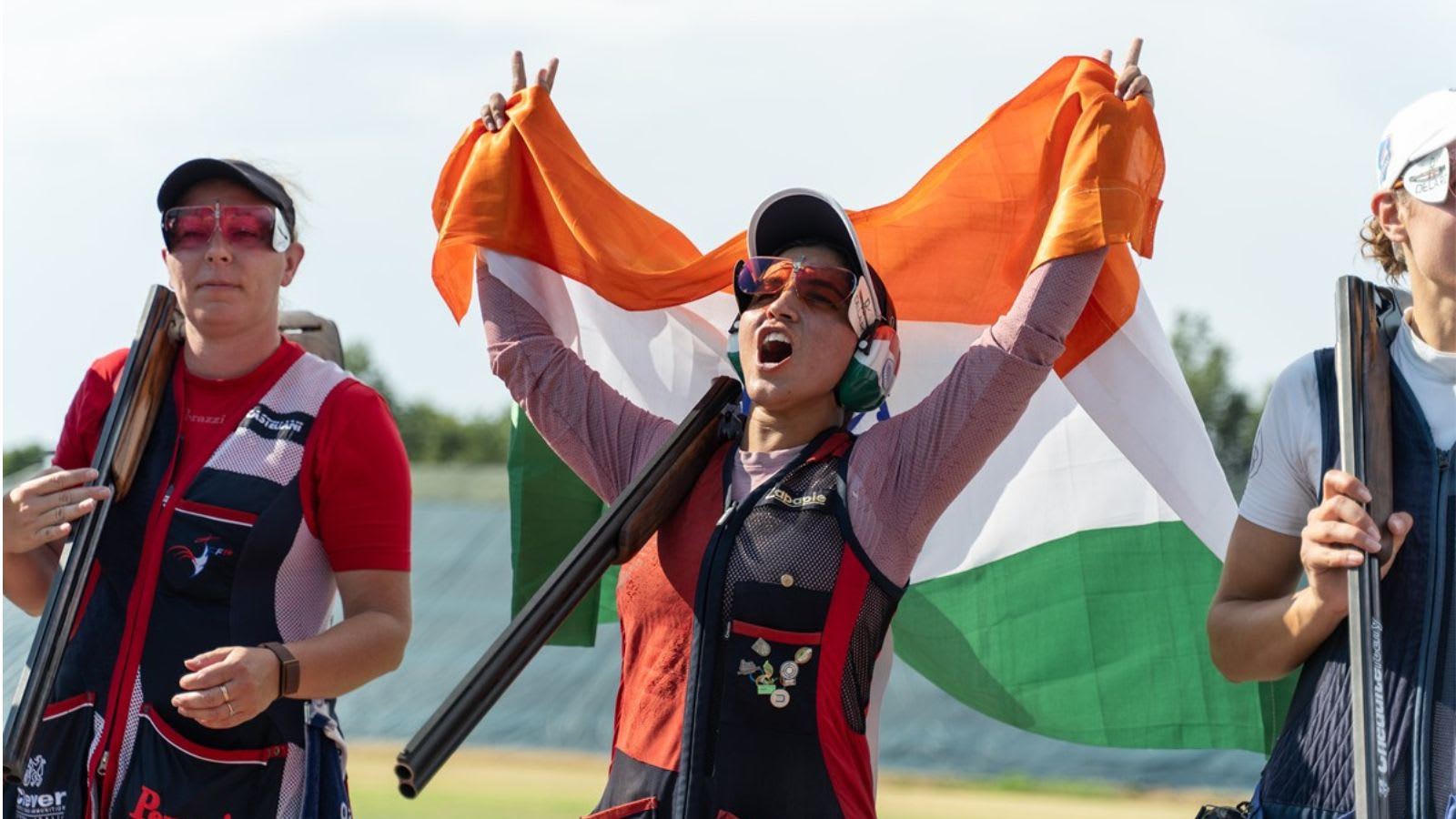
26-year-old Neeru Dhanda produced a memorable performance at the ISSF Shotgun World Cup in Lonato to clinch India’s first-ever gold medal in the women’s trap event. She also ended India’s wait of 16 y...
A Historic Milestone in Lonato
The ISSF Shotgun World Cup in Lonato has witnessed a transformative moment for Indian shooting sports. Neeru Dhanda, a 26-year-old athlete, has etched her name into the history books by clinching India’s first-ever gold medal in the women’s trap event. This victory is not merely a personal achievement for Dhanda but a significant leap forward for the nation's presence in the shotgun disciplines on the global stage.
Breaking the 16-Year Drought
One of the most striking aspects of Dhanda's victory is its historical context. Her gold medal marks the end of a 16-year wait for India to secure the top spot in this specific event. For over a decade and a half, Indian shooters have been competitive, often reaching finals or securing podium finishes, but the elusive gold in women's trap had remained out of reach. Dhanda's ability to maintain composure under the intense pressure of a World Cup final has finally broken this long-standing psychological and competitive barrier.
The Technical Challenge of the Trap Event
The women's trap event is notoriously demanding, requiring an extraordinary level of hand-eye coordination, rapid reaction times, and mental resilience. Competing in Lonato, a venue known for its rigorous conditions and high level of international competition, adds another layer of difficulty. Dhanda’s performance suggests a mastery of the technical nuances required to hit targets moving at high speeds, proving that Indian shooters are now capable of matching the technical precision of the world's elite.
Empowering Women in Indian Shooting
Beyond the medal tally, Dhanda's triumph serves as a powerful catalyst for women in Indian sports. As shooting becomes an increasingly popular avenue for female athletes in India, seeing a woman stand atop the podium at a major ISSF event provides much-needed visibility and inspiration. This success is likely to encourage more young girls to take up the shotgun disciplines, potentially widening the talent pool for future Olympic cycles.
Broader Implications for Indian Sports Policy
This victory also validates the increasing focus on specialized training and infrastructure within the Indian sporting ecosystem. As the nation aims for greater success in upcoming multi-sport games, including the Olympics, achievements like Dhanda's highlight the importance of investing in niche disciplines like shotgun shooting. It demonstrates that with the right support, Indian athletes can transition from being participants to being dominant champions.
Future Trends and the Road Ahead
Looking forward, Neeru Dhanda's win is expected to shift the competitive landscape. We can anticipate a surge in interest from sponsors and national sporting bodies to support trap shooting specifically. Furthermore, this gold medal sets a new benchmark for Indian shooters, providing a roadmap for how to navigate the high-pressure environment of the ISSF circuit. The momentum generated by this win could lead to a more consistent presence of Indian athletes in the top tiers of international shotgun competitions.
Conclusion
In summary, Neeru Dhanda's gold medal in Lonato is a landmark achievement that transcends individual glory. By ending a 16-year wait and securing a first-of-its-kind victory for India in women's trap, she has redefined the possibilities for Indian shooting. Her success stands as a testament to perseverance and marks the beginning of a new era for the sport in India.