Was Cathy born evil? Netflix’s East of Eden rewrites Steinbeck’s most notorious villain
Source Entity
Aishwarya Khosla
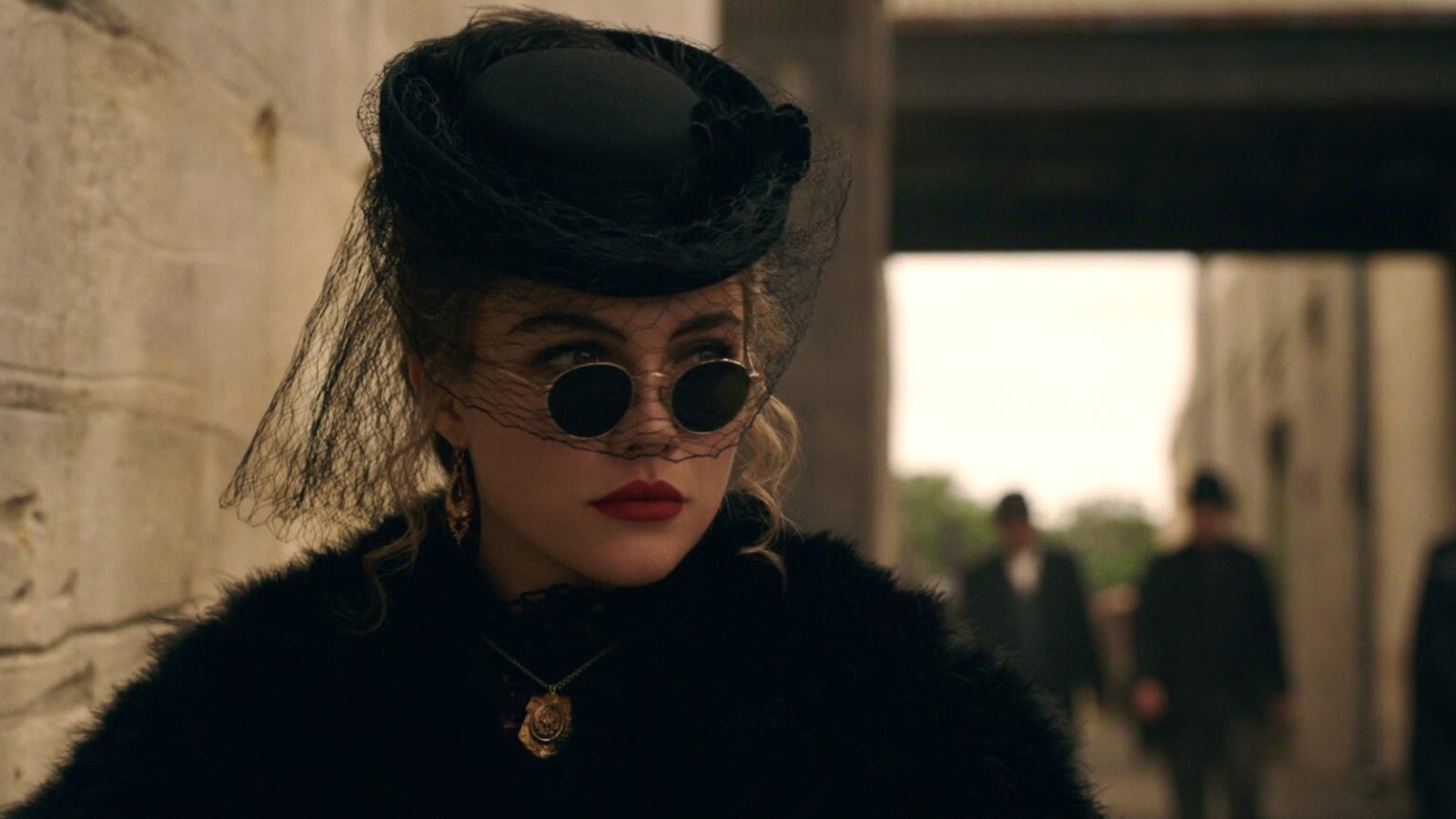
Netflix is adapting John Steinbeck's 'East of Eden' into a seven-episode series written by Zoe Kazan. The adaptation reimagines the character of Cathy Ames, shifting the narrative perspective to provide a villain-origin story for the classic antagonist.
Reimagining a Literary Icon: The New East of Eden
John Steinbeck’s 1952 novel East of Eden has long stood as a pillar of American literature, largely due to its complex exploration of morality, free will, and the duality of human nature. At the center of this narrative is Cathy Ames, a character frequently cited as one of the most chilling and calculated villains in fiction. For decades, Steinbeck’s portrayal of Cathy has been interpreted as an argument for innate evil, presenting her as a woman devoid of empathy or conscience from birth. This archetypal 'serpent-tongued Eve' has served as a dark foil to the novel’s themes of redemption and familial legacy.
A Generational Shift in Perspective
The upcoming seven-episode Netflix adaptation, written by Zoe Kazan, marks a significant departure from traditional interpretations of the source material. Intriguingly, this project carries a deep historical resonance; Zoe Kazan is the granddaughter of Elia Kazan, the director of the iconic 1955 film adaptation of East of Eden. By stepping into the role of screenwriter, the younger Kazan is not merely adapting a story but actively engaging with her own cinematic heritage, choosing to challenge the very foundations of how her grandfather’s generation viewed the character of Cathy Ames.
Challenging the Nature vs. Nurture Debate
At the heart of this adaptation is a fundamental question: are monsters born, or are they created? Steinbeck’s original work famously leans toward the idea of innate evil, positioning Cathy as a force of nature that defies conventional psychological explanation. By shifting the narrative focus to Cathy’s perspective, the new series attempts to deconstruct this 'chicken-and-egg' dilemma. Through the lens of a villain-origin story, the production seeks to interrogate whether Cathy’s ruthless behavior was truly an inherent trait or a product of the societal and personal circumstances she navigated.
The Casting of Florence Pugh
Florence Pugh has been tapped to portray this reimagined Cathy Ames, a casting choice that signals a desire for nuance and psychological depth. By grounding the character in a narrative that explores her origins, the series provides Pugh with the opportunity to move beyond the one-dimensional 'villain' archetype. This approach invites the audience to empathize—or at least understand—the motivations behind the devastation Cathy leaves in her wake, potentially transforming her from a literary monster into a tragic figure of circumstance.
Broader Implications for Classic Literature
This adaptation reflects a growing trend in contemporary media: the reclamation of the 'female villain' in classic literature. By granting a voice to characters who were historically silenced or demonized, modern writers are expanding the scope of these American classics. While this shift may cause dismay among purists who prefer Steinbeck’s original, stark moral binary, it offers a fresh, necessary entry point for modern audiences to engage with a seventy-year-old text, ensuring its relevance in a changing cultural landscape.
Future Trends in Narrative Adaptation
As streaming platforms continue to invest in prestige literary adaptations, we can expect to see more projects that prioritize character-driven deconstruction over literal faithfulness. The success of this East of Eden series will likely hinge on whether it can maintain the gravity of Steinbeck’s prose while successfully integrating its new, subjective perspective. If it succeeds, it may set a new standard for how classic literature is treated in the digital age—not as a static set of rules, but as a dynamic foundation for new, complex storytelling.