Greater Noida DM moves SC against HC order on student NSA detention
Source Entity
India Latest News: Top National Headlines Today & Breaking News | The Hindu
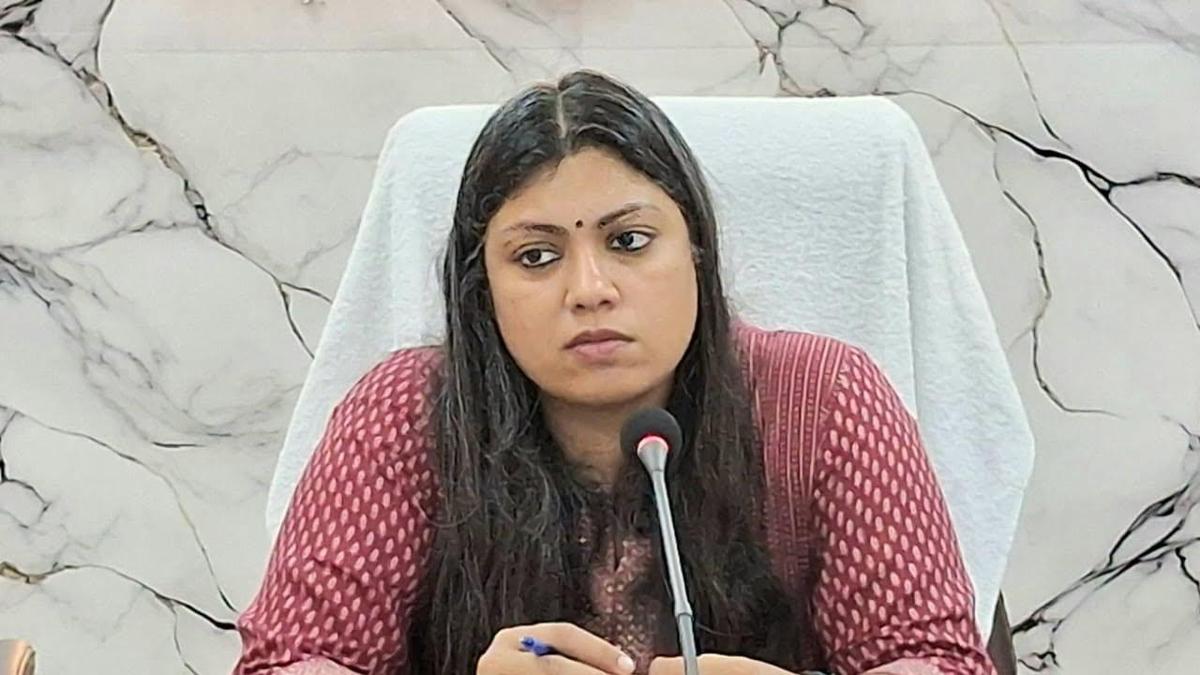
Gautam Buddha Nagar DM Medha Roopam has appealed to the Supreme Court against an Allahabad HC order that quashed a student's NSA detention. The High Court had previously labeled the detention illegal and ordered compensation for the student, citing a lack of administrative due diligence.
The Legal Conflict: District Administration vs. Judicial Oversight
The ongoing legal battle between Gautam Buddha Nagar District Magistrate (DM) Medha Roopam and the judicial system marks a significant flashpoint regarding the limits of administrative authority in Uttar Pradesh. The DM has formally approached the Supreme Court to challenge an Allahabad High Court order that previously quashed the detention of Delhi University student Akriti Chaudhary under the National Security Act (NSA). This move follows the High Court’s stern September 2 ruling, which declared the five-month detention illegal and highlighted a profound failure in administrative procedure.
The High Court’s Rebuke and the 'Dystopian' Warning
The Allahabad High Court’s original judgment went beyond merely overturning the detention order; it issued a scathing critique of the bureaucratic process involved. The court specifically noted a "lack of application of mind" by DM Roopam when reviewing the police report that led to the NSA invocation. By characterizing the state's actions as a "casual and cavalier exercise of authority," the bench cautioned that such unchecked power risks transforming the administrative landscape into an "Orwellian dystopia." This judicial language underscores the gravity of the court's concern regarding the potential erosion of constitutional rights under the guise of maintaining public order.
Financial Accountability and Administrative Precedent
One of the most contentious elements of the High Court's ruling was the order to recover ₹5 lakh from the salaries of the officials involved, including DM Roopam, as compensation for the student. This punitive measure serves as a rare instance of direct financial accountability for public servants in the context of human rights violations. By challenging this order in the Supreme Court, the administration is effectively testing the boundaries of personal liability for bureaucrats who implement state-sanctioned restrictive measures, a case that will likely set a lasting precedent for future administrative conduct.
Broader Implications for the National Security Act
The National Security Act is intended for extraordinary circumstances involving threats to national security or public order. The High Court’s intervention in the case of Akriti Chaudhary—who was detained following a workers’ protest in Noida—suggests a judicial pushback against the perceived routine or improper use of the NSA against student activists. This case highlights the tension between the state's desire for robust preventive detention powers and the judiciary's mandate to protect civil liberties against administrative overreach.
The Path Forward in the Supreme Court
The Supreme Court now faces the task of weighing the state’s prerogative to maintain order against the individual’s right to due process. With Solicitor General Tushar Mehta previously signaling the government's intent to contest the High Court’s findings, the matter has evolved into a high-stakes legal confrontation. The final verdict will not only determine the financial fate of the officials involved but will also clarify the standards of diligence required by District Magistrates when exercising extraordinary legal powers, ultimately shaping the future of administrative accountability in India.
Verification Required?