Artificial turf & coaching revolution - how Norway shaped golden generation
Source Entity
BBC News
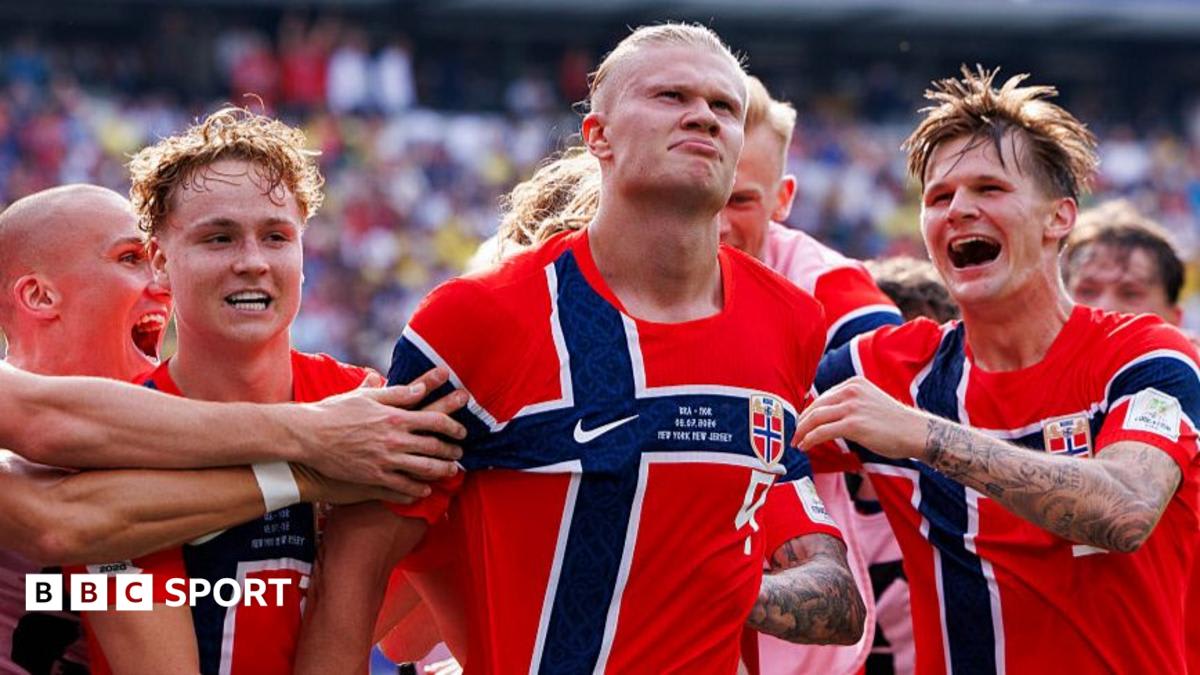
Artificial turf, investment from gambling and a coaching revolution based on collaboration over egos help Norway build a golden generation of players.
The Blueprint of Success: Analyzing Norway's Football Renaissance
Norway is currently witnessing the emergence of a 'golden generation' of football talent that has captured the attention of the global sporting community. This surge in quality is not a random occurrence or a mere fluke of genetics, but rather the result of a systemic overhaul of how the sport is developed within the country. By integrating environmental adaptation, strategic financial injections, and a fundamental shift in pedagogical coaching, Norway has created a sustainable pipeline for elite athletes.
The Environmental Catalyst: The Role of Artificial Turf
One of the most critical, yet often overlooked, factors in Norway's success is the widespread adoption of artificial turf. Given the harsh Scandinavian winters, traditional grass pitches are unusable for large portions of the year. The aggressive investment in high-quality synthetic surfaces has effectively eliminated the 'off-season' for youth development. This allows young players to accumulate significantly more 'touches on the ball' and training hours per year compared to peers in climates where weather dictates the schedule. This constant accessibility fosters a higher technical floor across the entire player population, ensuring that talent is nurtured consistently regardless of the temperature outside.
Financial Infrastructure and the Gambling Influence
Beyond the physical infrastructure, the financial fueling of the sport has played a pivotal role. The mention of investment from gambling indicates a complex but effective flow of capital into the grassroots and semi-professional levels of the game. While the ethics of gambling-related funding are often debated in sports, the practical result in Norway has been the ability to fund state-of-the-art facilities and specialized training programs that would otherwise be unaffordable. This capital has allowed clubs to transition from amateur setups to professionalized academies, providing the necessary resources to identify and polish raw talent early in their development.
A Coaching Paradigm Shift: Collaboration Over Ego
Perhaps the most profound change is the 'coaching revolution' that has swept through the Norwegian system. Historically, football coaching was often characterized by an authoritarian 'top-down' approach where the manager's ego dominated the locker room. Norway has pivoted toward a collaborative model, emphasizing psychological safety, player autonomy, and a partnership between the coach and the athlete. By removing the ego-driven barriers, coaches are now facilitating an environment where players feel empowered to take risks and express their creativity. This shift in mentality is essential for developing the modern, versatile player capable of competing in the high-pressure environments of Europe's top leagues.
Historical Context and Broader Implications
When comparing this era to previous peaks in Norwegian football—such as the successful period in the 1990s—the current approach is far more holistic. While previous successes were often built on physical strength and rigid tactical discipline, the new generation is defined by technical fluidity and tactical intelligence. This evolution mirrors a broader global trend toward 'total football' and positional play, but Norway has localized this trend by blending it with their specific environmental and financial advantages. This suggests that national success in sports is increasingly dependent on the synergy between infrastructure and ideology.
Future Trends and Global Influence
Looking forward, Norway's model serves as a potential blueprint for other nations in cold-climate regions. We can expect to see a surge in similar artificial turf initiatives and a move toward 'player-centric' coaching in countries like Canada, Sweden, or Finland. Furthermore, as the current golden generation reaches its peak, Norway is likely to transition from a team of individual stars to a cohesive powerhouse on the international stage. The sustainability of this model lies in its systemic nature; because the success is built on infrastructure and philosophy rather than a few outlier talents, the pipeline is likely to remain full for years to come.
Summary
Norway's ascent in the football world is a masterclass in strategic development. By solving the problem of climate through artificial turf, leveraging available financial resources for infrastructure, and replacing authoritarian coaching with a collaborative spirit, they have successfully engineered a golden generation. This multi-faceted approach ensures that Norway is no longer just a participant in global football, but a trendsetter in athletic development.