Why Norwegian Air changed Insta logo to British Airways after England loss - explained
Source Entity
TOI SPORTS DESK
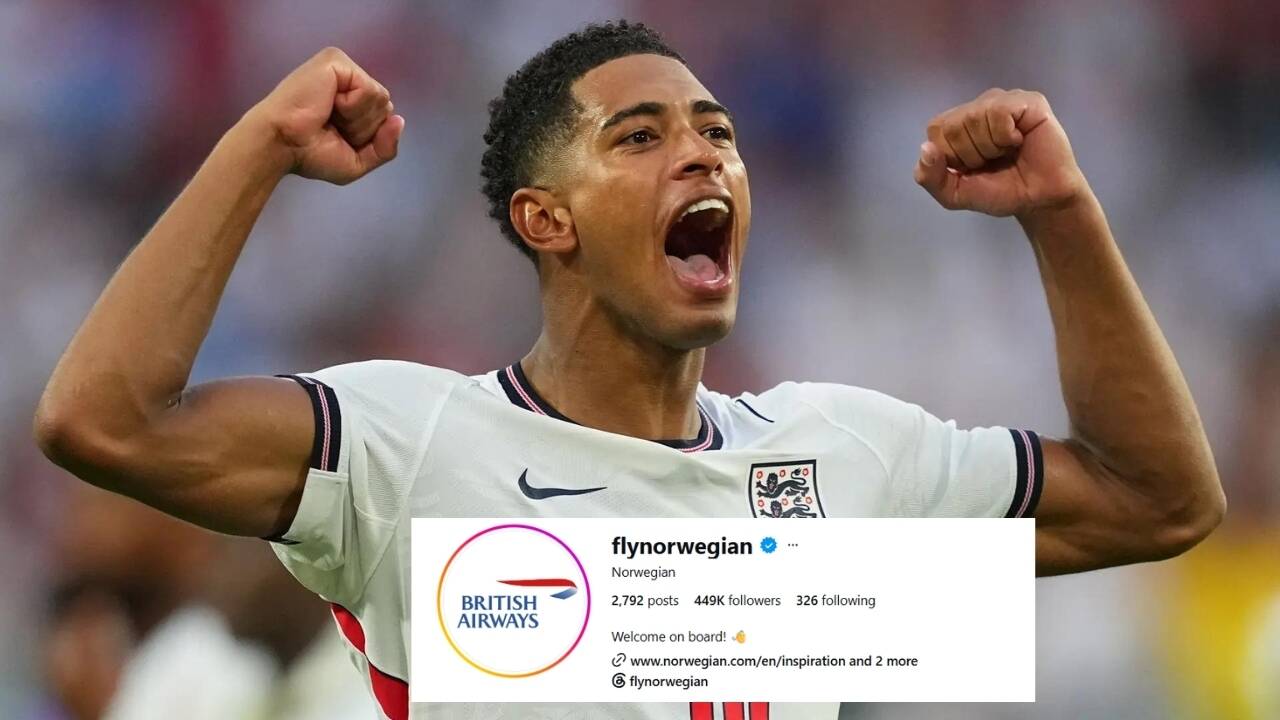
Photo/Agencies Norwegian Air has kept its social media bet with British Airways by changing its Instagram profile picture to the British airline's logo for 24 hours after England beat Norway 2-1 in t...
The High-Flying Stakes of Corporate Banter
In an era where corporate communication is often characterized by sterile press releases and carefully curated image management, a recent interaction between Norwegian Air and British Airways has highlighted a shift toward "banter marketing." The two airlines engaged in a lighthearted wager tied to a football match between England and Norway, which concluded in a 2-1 victory for the English side. As a result of the bet, Norwegian Air followed through on its commitment by replacing its official Instagram profile picture with the logo of its competitor, British Airways, for a period of 24 hours.
A Bet Settled on the Pitch
The catalyst for this branding stunt was the sporting rivalry between the two nations. By tying their corporate identity to the outcome of a national football match, Norwegian Air and British Airways effectively bridged the gap between corporate branding and national passion. The specific act of swapping a logo—the most sacred symbol of a company's identity—is a bold move that signals a willingness to prioritize engagement and humor over rigid brand guidelines. This 24-hour window of "identity theft" served as a public admission of the bet's loss, turning a sporting defeat into a viral marketing opportunity.
The Strategic Rise of 'Banter Marketing'
This event is a prime example of a broader trend in digital marketing where brands attempt to "humanize" themselves. By engaging in playful rivalry, companies can break through the noise of traditional advertising and connect with audiences on a more personal, emotional level. For Norwegian Air, the risk of temporary brand confusion was far outweighed by the potential for increased visibility and positive sentiment. This strategy is particularly effective with younger demographics, such as Gen Z and Millennials, who tend to value authenticity and wit over traditional corporate polish.
Navigating Brand Identity in the Digital Age
From a brand management perspective, changing a logo is typically considered a high-risk move. However, the temporal nature of this change—limited to 24 hours on a single social media platform—mitigated the risk of long-term brand dilution. This tactical maneuver demonstrates a sophisticated understanding of the "attention economy," where the goal is not constant consistency, but rather the creation of a "moment." By intentionally disrupting their own visual identity, Norwegian Air created a talking point that encouraged users to visit their profile, engage with their content, and discuss the event across other platforms.
Cross-Industry Synergy: Sports and Aviation
The synergy between the aviation industry and international sports is a powerful tool for national branding. Both airlines serve as primary conduits for travelers and national representatives, making them natural sponsors or participants in events that evoke national pride. By leveraging the England vs. Norway match, the airlines tapped into an existing emotional current, ensuring that their interaction felt organic rather than forced. This alignment allows companies to ride the wave of trending sports conversations, significantly amplifying their reach beyond their usual customer base.
Conclusion: A New Era of Corporate Engagement
Ultimately, the logo swap between Norwegian Air and British Airways serves as a case study in modern digital agility. It proves that when executed with the right tone, corporate competition can be transformed into a collaborative marketing effort that benefits both parties. While the bet was sparked by a football score, the real victory was the generation of organic engagement and the reinforcement of both brands as approachable, culturally aware entities in a competitive global market.