Tesla driver in fatal Texas crash pressed accelerator 100%, NTSB confirms
Source Entity
Sean O'Kane
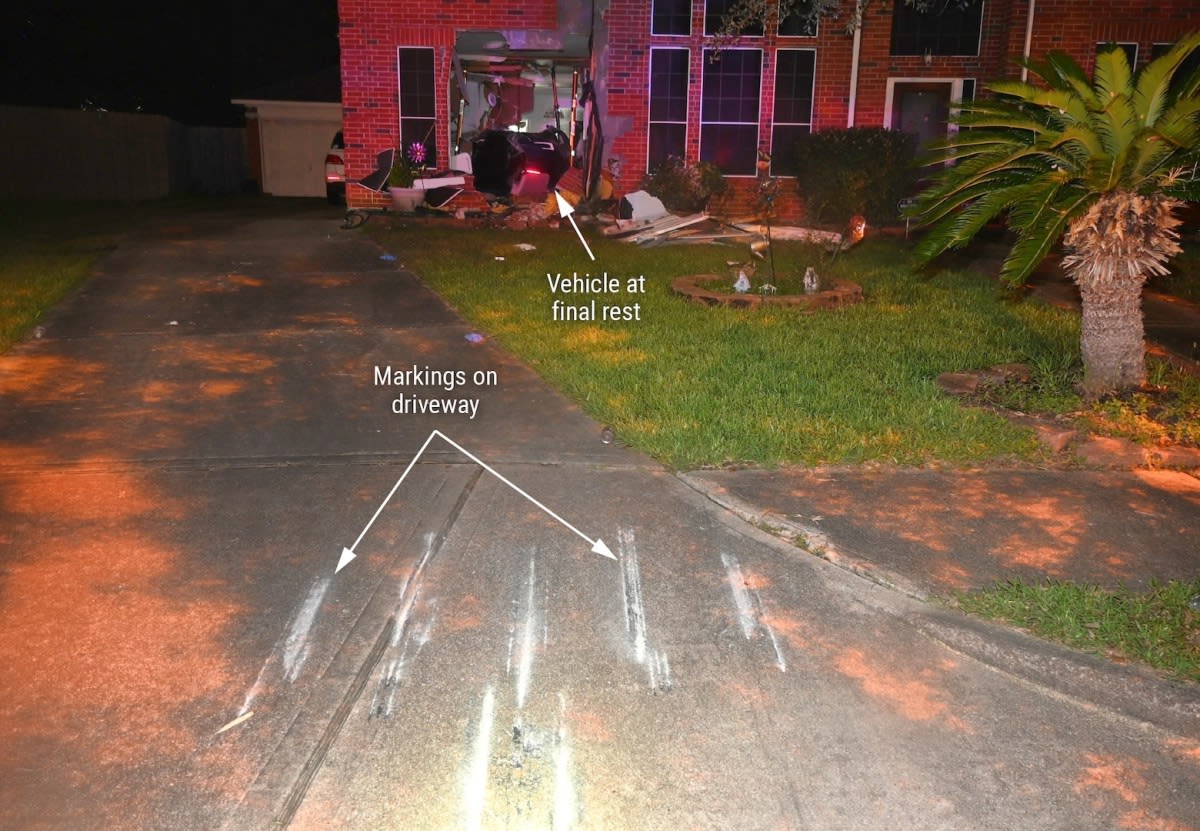
The National Transportation Safety Board (NTSB) has confirmed Tesla's account of a fatal crash in Texas, verifying that the driver fully depressed the accelerator pedal, which shifts the focus of the incident from potential system failure to driver error.
NTSB Confirms Driver Error in Fatal Tesla Crash
In a significant development regarding automotive safety and liability, the National Transportation Safety Board (NTSB) has officially confirmed that a Tesla driver in a fatal Texas crash pressed the accelerator pedal to 100%. This confirmation validates a report previously released by Tesla shortly after the incident occurred last month. The finding is critical as it provides an independent, government-backed verification of the vehicle's telemetry data, effectively attributing the cause of the crash to human error—specifically pedal misapplication—rather than a mechanical failure or a software glitch within Tesla's driver-assistance systems.
The Role of Independent Verification and the NTSB
Validating Telemetry Data
Tesla vehicles are equipped with extensive logging systems that record every input from the driver, from steering angle to pedal position. While Tesla often releases this data quickly to defend its technology, the NTSB's role is to provide an unbiased, third-party investigation. When the NTSB confirms that the accelerator was fully depressed, it removes the ambiguity that often surrounds "unintended acceleration" claims. This distinction is paramount in legal proceedings and safety audits, as it shifts the narrative from a potential product defect to a case of driver misjudgment.
Addressing Pedal Misapplication
Pedal misapplication—where a driver mistakenly presses the accelerator instead of the brake—is a known phenomenon in the automotive industry, but it is often amplified in electric vehicles (EVs). Because EVs provide instantaneous torque and rapid acceleration, a full press of the accelerator can lead to a catastrophic increase in speed much faster than in a traditional internal combustion engine vehicle. This specific event in Texas underscores the danger of this human-machine interface gap, where a momentary panic or lapse in concentration can result in a high-velocity impact.
Broader Implications for Tesla and ADAS
The Tension Between Automation and Attention
This crash occurs amidst a broader global debate regarding Advanced Driver Assistance Systems (ADAS). Tesla's Autopilot and Full Self-Driving (FSD) suites are designed to assist the driver, but they require the operator to remain attentive. The NTSB has frequently criticized Tesla for not implementing more robust driver-monitoring systems to ensure that users are not overly reliant on the technology. In this Texas case, the fact that the driver fully depressed the accelerator suggests a total failure of situational awareness, highlighting the ongoing struggle to balance automation with human oversight.
Regulatory Scrutiny and Safety Standards
The confirmation of this event adds another data point to the ongoing scrutiny from the National Highway Traffic Safety Administration (NHTSA) and the NTSB. Regulatory bodies are increasingly looking at how EVs handle emergency situations. If pedal misapplication is becoming a recurring theme in fatal crashes, there may be future mandates for "brake override systems" or more advanced pedal sensors that can detect anomalous inputs—such as a 100% accelerator press in a context where braking is logically required—and automatically intervene to slow the vehicle.
Future Trends in Automotive Safety
Evolution of Driver Monitoring
Moving forward, we can expect a shift toward more invasive but safer driver-monitoring systems. While Tesla has historically relied on steering wheel torque sensors, the integration of cabin cameras to track eye movement and head position is becoming the industry standard. These systems aim to prevent the kind of cognitive lapse that leads to pedal misapplication by alerting the driver the moment they lose focus or exhibit signs of panic.
The Legal Landscape of EV Liability
As more "black box" data becomes accessible and verified by agencies like the NTSB, the legal landscape for EV accidents will likely shift. We are moving toward a period of absolute data transparency where the "he-said, she-said" nature of accident reports is replaced by precise telemetry. This will likely protect manufacturers from frivolous lawsuits regarding "ghost acceleration" but will place a higher burden of responsibility on the driver to maintain control of the vehicle at all times.
Conclusion
The NTSB's confirmation that the driver in the Texas crash pressed the accelerator to 100% serves as a stark reminder that regardless of how advanced a vehicle's software becomes, the human element remains the most volatile variable. While Tesla's technology was exonerated in this specific instance, the event highlights a critical need for improved driver education and more sophisticated safety interventions to prevent fatal human errors in the era of high-performance electric mobility.