Nvidia surge: What investors should do with the stock and the AI trade now
Source Entity
US Top News and Analysis
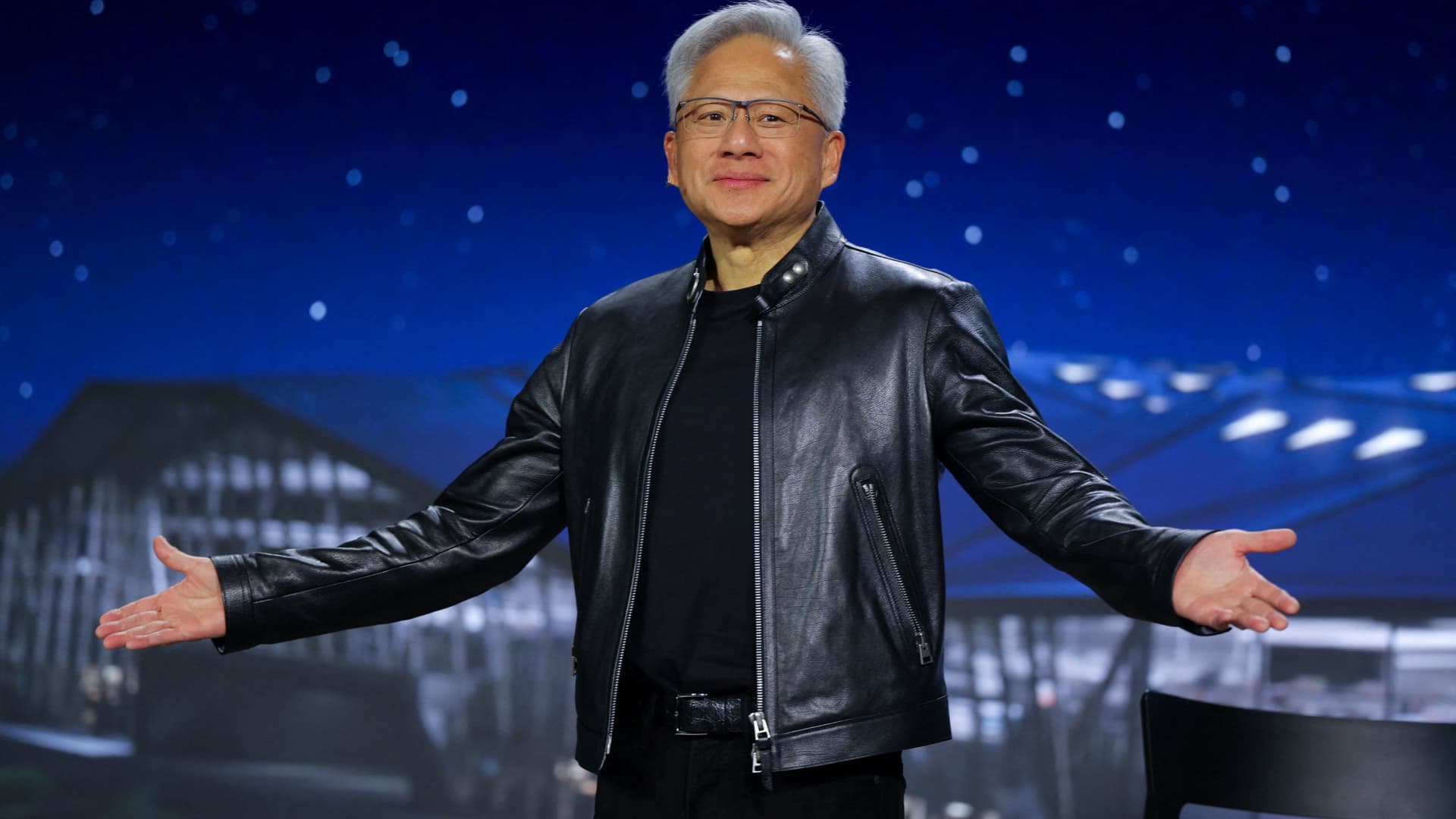
Jensen Huang has been reinstated as Nvidia CEO following a massive 31% stock surge and intense investor demand. His return has triggered bipartisan outrage in Congress and raised urgent national security concerns regarding potential Chinese espionage and the Trump administration's oversight.
The Dramatic Reinstatement of Jensen Huang
In a move that has stunned financial markets and political circles alike, Nvidia has officially reinstated Jensen Huang as President and CEO, just eleven days after his initial resignation. The decision, which prompted a staggering 31% surge in Nvidia’s stock price—the company's largest one-day gain in over two decades—followed a grassroots campaign that saw a petition for his return garner over 200,000 signatures. Despite the board’s earlier insistence that they had no intention of bringing him back, the unanimous reversal highlights the immense pressure exerted by both shareholders and the market to restore leadership stability to the AI titan.
Market Volatility and Investor Sentiment
The market’s immediate reaction was one of euphoria, reflecting a deep-seated belief among investors that Huang is the essential architect of Nvidia’s dominance in the artificial intelligence sector. However, this reflex rally masks a growing sense of unease among institutional analysts. While the stock price rebounded significantly from its previous close of $125.53, the broader AI trade is now facing a period of heightened volatility. Investors are being advised to exercise caution, as the company’s internal leadership drama is now inextricably linked to mounting external pressures.
The Shadow of National Security
Beyond the boardroom, Huang’s return has ignited a fierce political firestorm on Capitol Hill. Lawmakers from both sides of the aisle have expressed "outrage" and "incredulity," framing the reinstatement as a failure of corporate character. The primary concern among legislators centers on ongoing investigations into allegations of Chinese espionage involving Nvidia’s advanced AI hardware. There is a palpable fear that the company’s technology is being diverted to adversarial regimes, a concern that has not been assuaged by the Trump administration’s recent assessment that Huang poses no national security risk.
Congressional Scrutiny and Regulatory Risks
As Democrats prepare to assume control of Congress and key governor posts in January 2027, the regulatory environment for Nvidia is expected to tighten significantly. Lawmakers are now questioning the Trump administration's involvement in vetting Huang, suggesting that the executive branch may have bypassed standard security protocols. This political friction introduces the possibility of new legislative hurdles, including potential moratoriums on data center expansion or stricter export controls that could severely disrupt Nvidia’s operational model.
Future Implications for the AI Industry
The intersection of corporate governance, geopolitical tension, and national security policy creates a precarious future for Nvidia. The company now finds itself in a tug-of-war between its massive market capitalization and the scrutiny of a skeptical Congress. As the firm moves forward under Huang’s renewed leadership, its ability to navigate these political headwinds will be just as critical as its technological innovation. The coming months will likely determine whether Nvidia can maintain its AI supremacy while simultaneously satisfying stringent government oversight regarding global supply chain integrity and national security.
Multiple Citing Sources