Post Iran war, oil is the new oil
Source Entity
Latest News: Todays Latest News Headlines from India & World | Hindustan Times | Hindustan Times
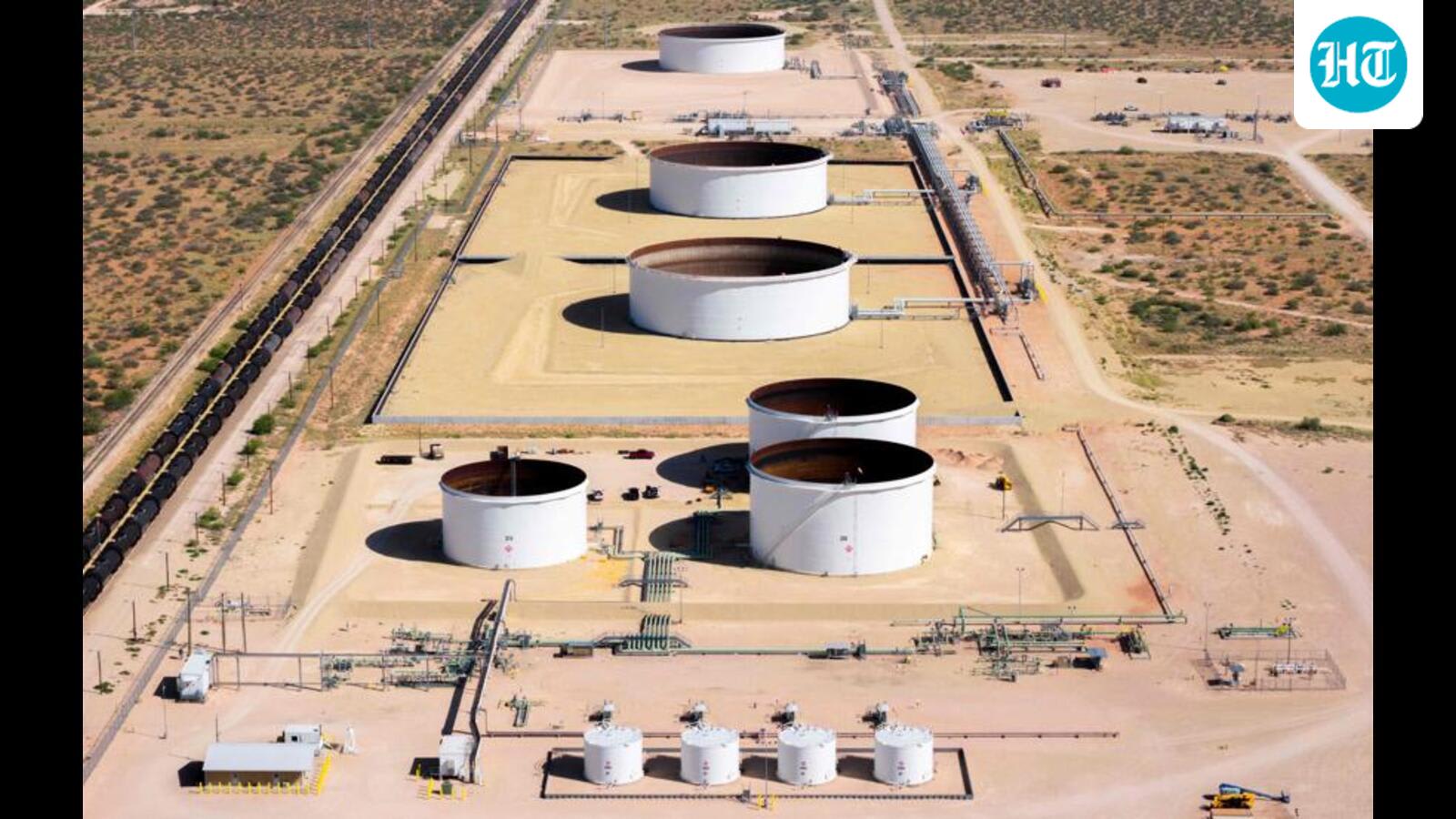
The closure of the Strait of Hormuz amid West Asian conflict has triggered a sustained, structural oil shock. While early market volatility remained below historic peaks, the depletion of Chinese reserves suggests future energy instability.
The Structural Shift in Global Energy Markets
The geopolitical landscape in West Asia has undergone a seismic shift following the conflict that erupted in February. With the subsequent closure of the Strait of Hormuz—a vital maritime chokepoint—global energy markets have faced a disruption of unprecedented proportions. Analysts initially labeled this the most significant oil shock in the history of capitalism, yet the immediate market reaction was characterized more by resilience than by the catastrophic collapse many had predicted.
Analyzing Market Resilience vs. Reality
Despite the gravity of the situation, oil prices failed to sustain the doomsday trajectories initially forecast by market observers. Prices struggled to breach the $120 per barrel mark even in nominal terms, a threshold that remained lower than the spikes observed during the onset of the Russia-Ukraine war in 2022. When adjusted for inflation, these figures are even less dramatic, suggesting that market participants had priced in a level of geopolitical risk that failed to materialize into total economic paralysis.
The Role of Chinese Strategic Reserves
In retrospect, the relative stability of the market was largely attributable to strategic maneuvers by China. By curtailing its massive oil purchases and aggressively drawing down its strategic petroleum reserves, Beijing provided an essential buffer that kept global supply lines functioning despite the blockage. This tactical drawdown prevented a price explosion, masking the true severity of the supply-side shock that had begun to take root.
The Future of Energy Security
Looking forward, the outlook is increasingly precarious. The strategic reserves that once insulated the global economy are now significantly depleted, meaning they will not be available to cushion the market against further volatility. As the supply-side shock continues to deepen, the absence of these buffers leaves the global economy highly vulnerable to the ongoing conflict in West Asia.
Geopolitical Détente and Economic Stakes
While the Trump administration maintains a posture of bravado, there are emerging signals that several West Asian nations are exploring paths toward détente. This shift reflects a pragmatic realization that the economic costs of a prolonged conflict are becoming unsustainable. However, until a meaningful diplomatic resolution is reached, the market must contend with the reality that the oil shock is not merely a transient event but a persistent feature of the current global landscape.
Conclusion: A Persistent Economic Challenge
The current energy crisis serves as a stark reminder of the fragility of global supply chains. With reserves dwindling and the Strait of Hormuz remaining a focal point of tension, the world faces a long-term recalibration of energy costs. Investors and policymakers alike must prepare for an environment where the traditional mechanisms of market stabilization are no longer as effective as they were in the past.
Verification Required?