Further Oil Price Spikes Could Rekindle Recession Fears
Source Entity
Yahoo Finance
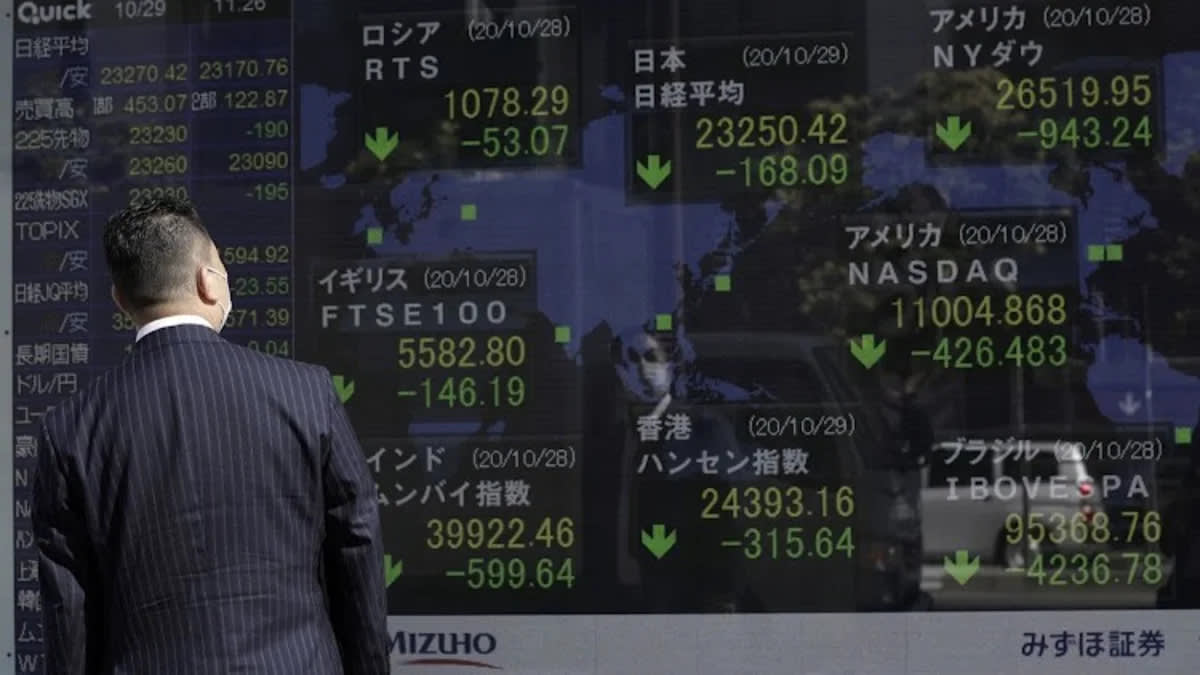
Surging oil prices, driven by escalating tensions in the Middle East and the Strait of Hormuz, have reignited fears of a global recession. Consequently, market analysts anticipate that the Federal Reserve may implement interest rate hikes to combat rising inflation.
The Resurgence of Recessionary Risks
The global economic landscape is currently facing significant turbulence as oil prices have surged past the $100 per barrel mark for both Brent and WTI Crude. This sudden spike, the most volatile since the early stages of the ongoing conflict involving Iran, has effectively re-launched the conversation surrounding a potential recession. For six months, the global economy demonstrated remarkable resilience against energy market disruptions, but the current escalation in the Strait of Hormuz and the Bab el-Mandeb Strait represents a critical tipping point.
The Geopolitical Trigger
The primary driver of this market instability is the intensification of hostilities in the Middle East. Recent reports indicate a cycle of retaliatory strikes between U.S. forces and the IRGC in the Gulf of Oman, alongside the Houthi militia’s seizure of the Yemeni Red Sea coast. These actions have threatened the stability of vital maritime chokepoints, effectively choking global oil and LNG flows. With U.S. leadership signaling that the conflict may persist through the midterm elections and potentially beyond, the market has lost hope for a quick diplomatic resolution.
Federal Reserve Policy and Inflationary Pressures
As energy costs climb, the U.S. Federal Reserve faces a complex dilemma ahead of its September 15-16 meeting. While the market has largely priced in expectations for interest rate hikes, the surge in producer price inflation—which hit 5.4% year-on-year in August—coupled with rising diesel prices, complicates the path forward. Ten-year U.S. Treasury bond yields nearing 5% underscore the market's anxiety regarding the central bank’s ability to curb inflation without stifling economic growth.
Strategic Reserve Limitations
In response to the supply crunch, various nations have attempted to mitigate price volatility by releasing strategic oil reserves. However, the efficacy of these measures is diminishing as the conflict drags on. While China and other major importers have sought to manage demand, the structural nature of the current energy crisis suggests that these stop-gap measures are insufficient to offset the sustained disruption of supply lines caused by the regional war.
Future Trends and Market Outlook
Looking ahead, analysts from institutions like StanChart warn that the energy market is now built for sharper and more frequent price spikes. The inability to secure a deal in the region means that energy prices will remain highly sensitive to further military escalations. If the Federal Reserve opts for aggressive rate hikes to combat the resulting inflation, the risk of a formal recession will likely transition from a hypothetical concern to an immediate economic reality for both the U.S. and global markets.