Oil over $100 has JPMorgan stock-market strategists fearing a missing out on a swift decline
Source Entity
Nora Redmond
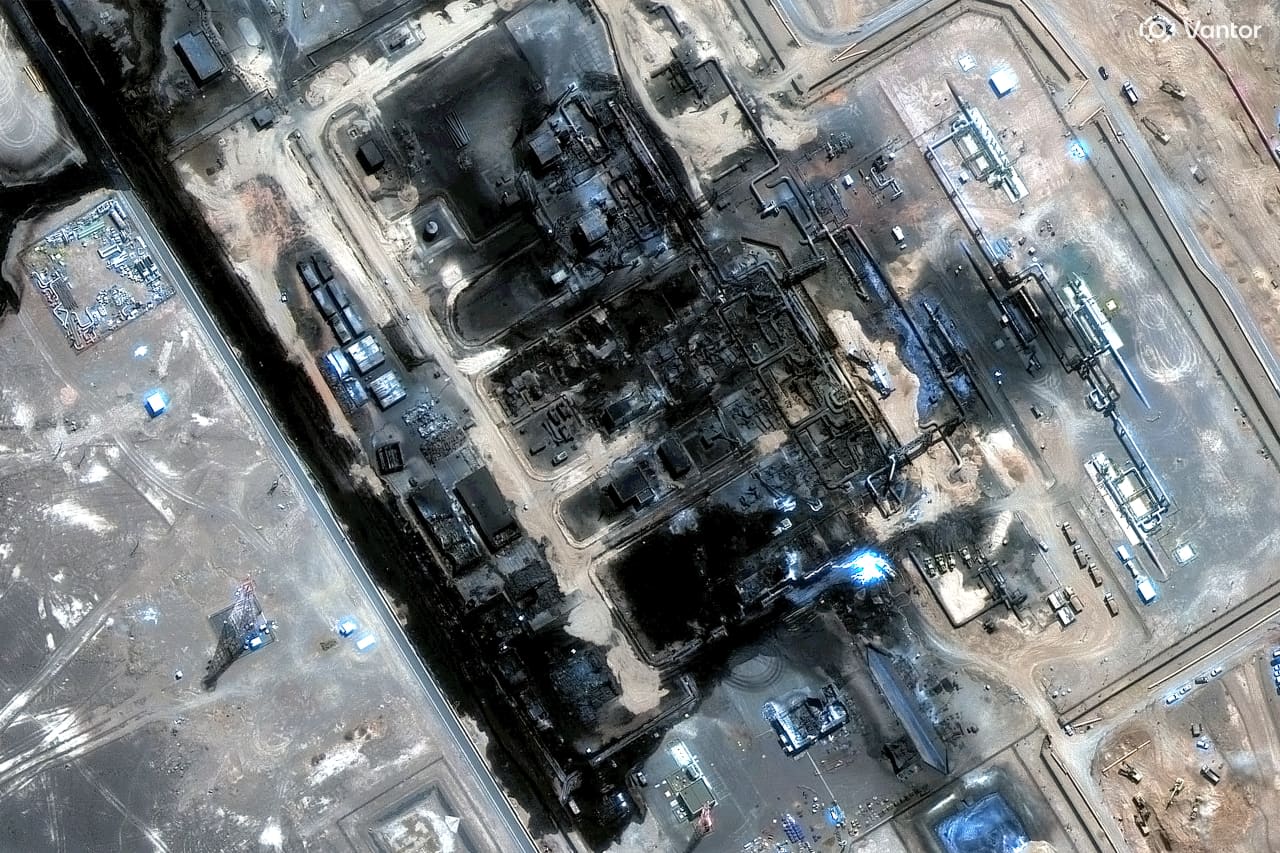
Global oil prices surged over 2% following a drone attack on Saudi Arabia's critical East-West pipeline. The shutdown, coupled with ongoing Houthi and Iranian-linked strikes, has heightened concerns over global supply stability.
Global Energy Markets React to Middle East Escalation
Global oil markets experienced a significant shock as Brent crude prices climbed over 2%, reaching peaks near $108 per barrel. This surge was triggered by the forced closure of Saudi Arabia’s critical East-West pipeline following a drone attack. As a primary artery for oil transport that bypasses the volatile Strait of Hormuz, the pipeline's sudden shutdown has reignited deep-seated fears regarding the fragility of the global energy supply chain.
The Impact of Infrastructure Damage
The attack, attributed to drones launched from Iraq, has created immediate uncertainty in the commodities sector. Analysts at ING have noted that the severity of the damage to the pipeline remains undisclosed, leaving market participants to grapple with the possibility of a prolonged disruption. Given that this pipeline is essential for exporting oil from the Yanbu port, any prolonged outage threatens to tighten global supplies significantly, with some estimates suggesting a potential 4% impact on global oil distribution.
Geopolitical Instability and Security Concerns
The situation is further complicated by a series of hostile actions across the region. Saudi state media reported damage to civilian infrastructure, including homes and a mosque in the Jazan province, following Houthi attacks. Simultaneously, Iranian-linked strikes on vessels in the Gulf have intensified, raising the specter of restricted movement through vital maritime waterways. The expansion of Houthi control over key transit points adds a layer of operational risk that energy markets are currently pricing into the cost of a barrel.
The Collapse of Diplomatic Channels
Efforts to mitigate regional tensions have suffered a major setback. A high-level diplomatic meeting between Iran and Gulf Arab states, which was scheduled to take place in Salalah, Oman, was abruptly postponed in the wake of the pipeline attack. The cancellation of these talks signals a breakdown in communication, suggesting that a swift resolution to the security crisis is unlikely. The loss of this diplomatic forum leaves a power vacuum where regional actors are increasingly relying on military posturing rather than negotiation.
Economic Implications and Future Outlook
The immediate economic consequence is a sharp increase in volatility for both Brent crude and West Texas Intermediate (WTI). As prices remain elevated, the global economy faces the prospect of sustained inflationary pressure on energy costs. Experts are closely monitoring the duration of the pipeline outage; if the infrastructure remains offline for an extended period, the resulting supply deficit could force a recalibration of energy strategies among major importing nations. The current landscape suggests that until the security of the Strait of Hormuz and regional pipelines is restored, oil prices will likely remain highly sensitive to further reports of conflict.
Verification Required?