OpenAI and Anthropic warn China is using tens of thousands of fake accounts to copy their AI models
Source Entity
Yahoo Finance
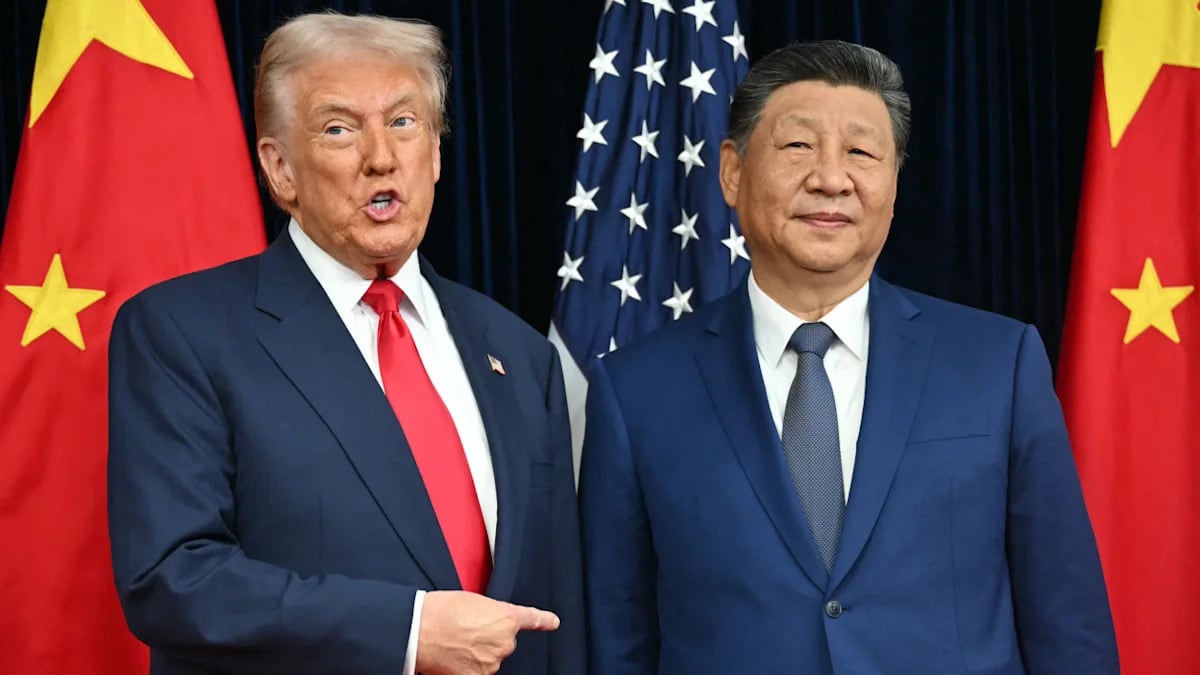
As much as U.S. President Donald Trump and Chinese Paramount Leader Xi Jinping work to ease historical tensions (1), our two nations remain locked in a perpetual neck-and-neck power struggle in a numb...
The Invisible Front: AI Espionage and the US-China Tech War
In a startling revelation that underscores the high stakes of the global artificial intelligence race, leading AI labs OpenAI and Anthropic have sounded the alarm regarding systemic attempts by Chinese entities to compromise their proprietary models. The reports indicate that tens of thousands of fake accounts have been deployed to systematically scrape data and reverse-engineer the inner workings of these Large Language Models (LLMs). This is not merely a case of individual plagiarism but appears to be a coordinated, state-level effort to bypass the immense research and development costs associated with training frontier models by essentially 'distilling' the intelligence of Western AI into Chinese systems.
The Mechanics of Model Stealing
At the heart of this issue is a technique often referred to as 'model distillation' or 'model stealing.' By using a massive array of fake accounts to query a model millions of times, adversaries can map the model's decision-making patterns and output logic. This synthetic dataset is then used to train a smaller, domestic model to mimic the behavior and capabilities of the original. For China, this strategy provides a shortcut to parity, allowing them to leapfrog years of foundational research. The scale of the operation—involving tens of thousands of accounts—suggests a sophisticated infrastructure designed to evade traditional rate-limiting and bot-detection systems employed by OpenAI and Anthropic.
Geopolitical Paradox: Diplomacy vs. Digital Warfare
This technological espionage occurs against a complex geopolitical backdrop. The mention of efforts by U.S. President Donald Trump and Chinese Paramount Leader Xi Jinping to ease historical tensions highlights a stark paradox: while high-level diplomacy may seek to stabilize trade and avoid kinetic conflict, a 'shadow war' persists in the digital and technological realms. AI is viewed by both superpowers not just as a commercial tool, but as a critical component of national security, cyber-defense, and economic hegemony. The persistence of these attacks suggests that regardless of the diplomatic climate, the strategic imperative to achieve AI supremacy remains an absolute priority for the Chinese state.
The Strategic Value of Frontier Models
To understand why these models are being targeted so aggressively, one must consider the broader implications of Artificial General Intelligence (AGI). Frontier models are capable of accelerating scientific discovery, optimizing military logistics, and enhancing cyber-offensive capabilities. By copying the weights or the behavioral logic of OpenAI's GPT series or Anthropic's Claude, Chinese actors can potentially gain insights into the safety guardrails and architectural breakthroughs that the U.S. companies have spent billions to develop. This creates a 'leaking' effect where the competitive advantage of the innovator is eroded by the efficiency of the imitator.
Defensive Challenges and the Future of AI Access
For OpenAI and Anthropic, this creates a precarious balancing act between accessibility and security. To foster innovation and gather user feedback, these companies must keep their models available via APIs and web interfaces. However, the rise of state-sponsored 'sybil attacks' (the creation of many fake identities) forces them to implement more stringent identity verification and monitoring. We are likely to see a trend toward 'Closed AI' ecosystems, where access to the most powerful models is gated behind strict KYC (Know Your Customer) protocols, potentially limiting the democratic reach of the technology to prevent state-level theft.
Conclusion: A New Era of Technological Containment
Ultimately, the warnings from OpenAI and Anthropic signal that the AI race has entered a phase of intense containment and counter-intelligence. The struggle for AI dominance is no longer just about who can build the best model, but who can best protect their intellectual property from sophisticated state actors. As the U.S. and China continue their delicate dance of diplomacy and rivalry, the digital frontier will remain a primary battlefield, where the theft of a few billion parameters can shift the global balance of power.