10 years of Pokémon Go and the millions still trying to catch 'em all
Source Entity
BBC News
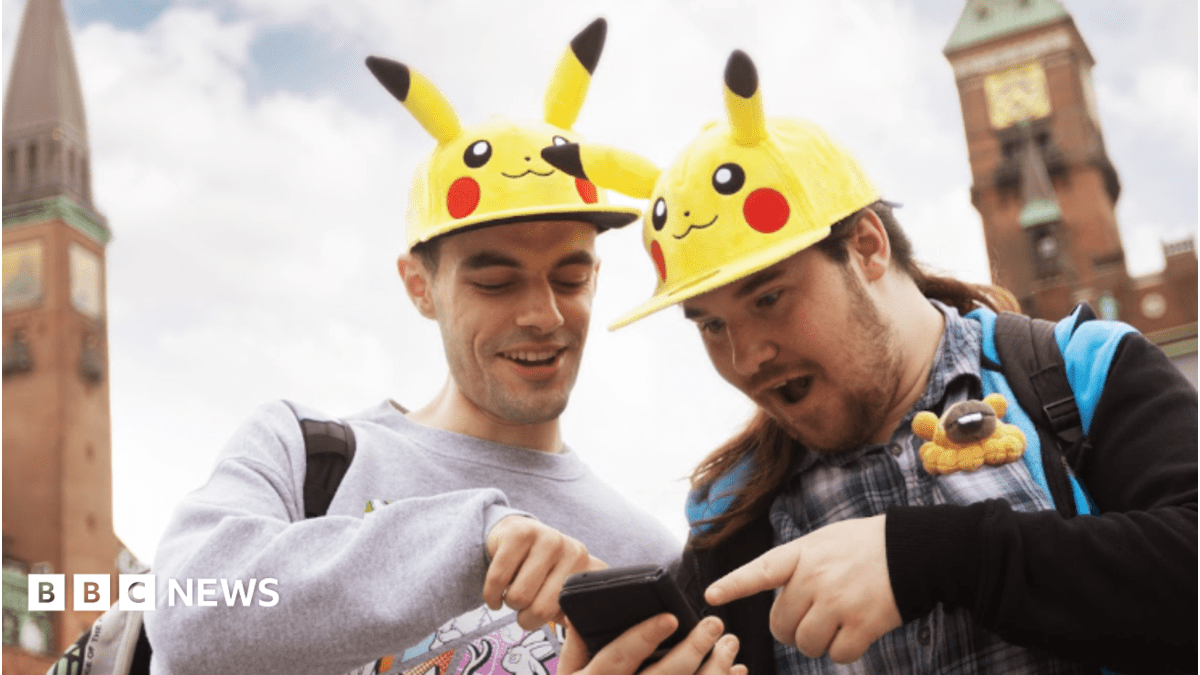
Michael Steranka, vice president at the mobile game's owner Scopely, says it has always been about bringing people together
A Decade of Augmented Reality: The Enduring Legacy of Pokémon Go
The announcement of Pokémon Go's ten-year milestone marks a significant achievement in the history of mobile entertainment. Since its explosive debut, the game has transitioned from a global summer fad into a sustainable, long-term ecosystem. As Michael Steranka, Vice President at Scopely, highlights, the core philosophy of the game has always transcended the simple act of collecting digital creatures; it has been fundamentally about the intersection of technology and human social interaction. This milestone serves as a testament to the game's ability to evolve while staying true to its primary mission of bringing people together in the physical world.
The Architecture of Social Connectivity
Steranka's assertion that the game is about "bringing people together" is not merely a marketing sentiment but a reflection of the game's core design. Unlike traditional mobile games that encourage sedentary isolation, Pokémon Go utilizes a "location-based" mechanic that mandates physical movement. By designating specific real-world coordinates as "PokéStops" or "Gyms," the game creates organic gathering points. This design has fostered a unique social phenomenon where strangers are bonded by a shared objective. The introduction of "Raid Battles" and "Community Days" further solidified this, forcing players to coordinate in real-time and physically meet, effectively bridging the gap between digital friendship and tangible community.
Redefining the Mobile Gaming Landscape
From a technological perspective, Pokémon Go was a pioneer in bringing Augmented Reality (AR) to the masses. Before its launch, AR was largely a niche interest or a limited gimmick. Pokémon Go integrated the digital layer of the Pokémon universe with the physical geography of our cities, proving that the "gamification" of the outdoors could drive massive user engagement. This shift influenced an entire generation of developers to explore how mobile devices could be used to enhance, rather than replace, the real-world experience. The game's longevity suggests that the appeal of AR lies in its ability to make the mundane environment feel adventurous and interactive.
The Business of Longevity and the Scopely Influence
The involvement of Scopely in the game's current trajectory underscores the shift toward a more sophisticated "Games as a Service" (GaaS) model. Maintaining a player base for a decade requires a rigorous cycle of updates, event-driven content, and a deep understanding of player psychology. By focusing on the social aspect, as Steranka emphasizes, the game creates a "network effect"—where the value of the game increases as more people in a local area play it. This social lock-in is far more powerful than any single gameplay mechanic, ensuring that the game remains relevant even as the initial novelty of AR wears off.
Historical Context and the Evolution of the "Fad"
Historically, few mobile games survive the "hype cycle" that Pokémon Go experienced in 2016. Most viral hits suffer a steep decline once the novelty fades. However, Pokémon Go avoided this fate by leaning into the deep nostalgia of the Pokémon franchise and the inherent human need for connection. By evolving from a simple "catch" mechanic to a complex system of competitive leagues and cooperative raids, it transformed from a curiosity into a hobby. The 10-year mark proves that the integration of physical exercise and social networking can create a sustainable loop of engagement that defies traditional gaming lifecycles.
Future Trends: Where AR Goes From Here
Looking forward, the success of Pokémon Go provides a blueprint for the future of the "metaverse"—not as a fully virtual world, but as a hybrid one. We can predict that future iterations of AR gaming will move beyond the smartphone screen and into wearable technology, such as AR glasses, which would make the social interactions Steranka discusses even more seamless. The trend is moving toward "ambient gaming," where the digital world is permanently overlaid on the physical one, further blurring the line between our online identities and our real-world social lives.
Conclusion
Pokémon Go's ten-year journey is more than a success story for a mobile app; it is a case study in how technology can be used to combat social isolation. By anchoring its growth in the goal of bringing people together, the game has achieved a rare level of cultural permanence. As it enters its second decade, its legacy will likely be defined not by the number of Pokémon caught, but by the millions of real-world connections it facilitated across the globe.