Designing and assembling my first PCB
Source Entity
Hacker News
<a href="https://news.ycombinator.com/item?id=48885728">Comments</a>
Community Insights: From Hardware Engineering to Personal Growth
The provided context consists of two distinct discussion threads from Hacker News, a popular social news website focusing on computer science, engineering, and entrepreneurship. These threads highlight the diverse range of interests within the tech community, spanning from the granular, tactile details of hardware engineering to the abstract principles of interpersonal negotiation and goal setting. Rather than a single news event, these represent the multifaceted intellectual curiosity of a community dedicated to 'hacking' both machines and life.
The Journey of PCB Design and Assembly
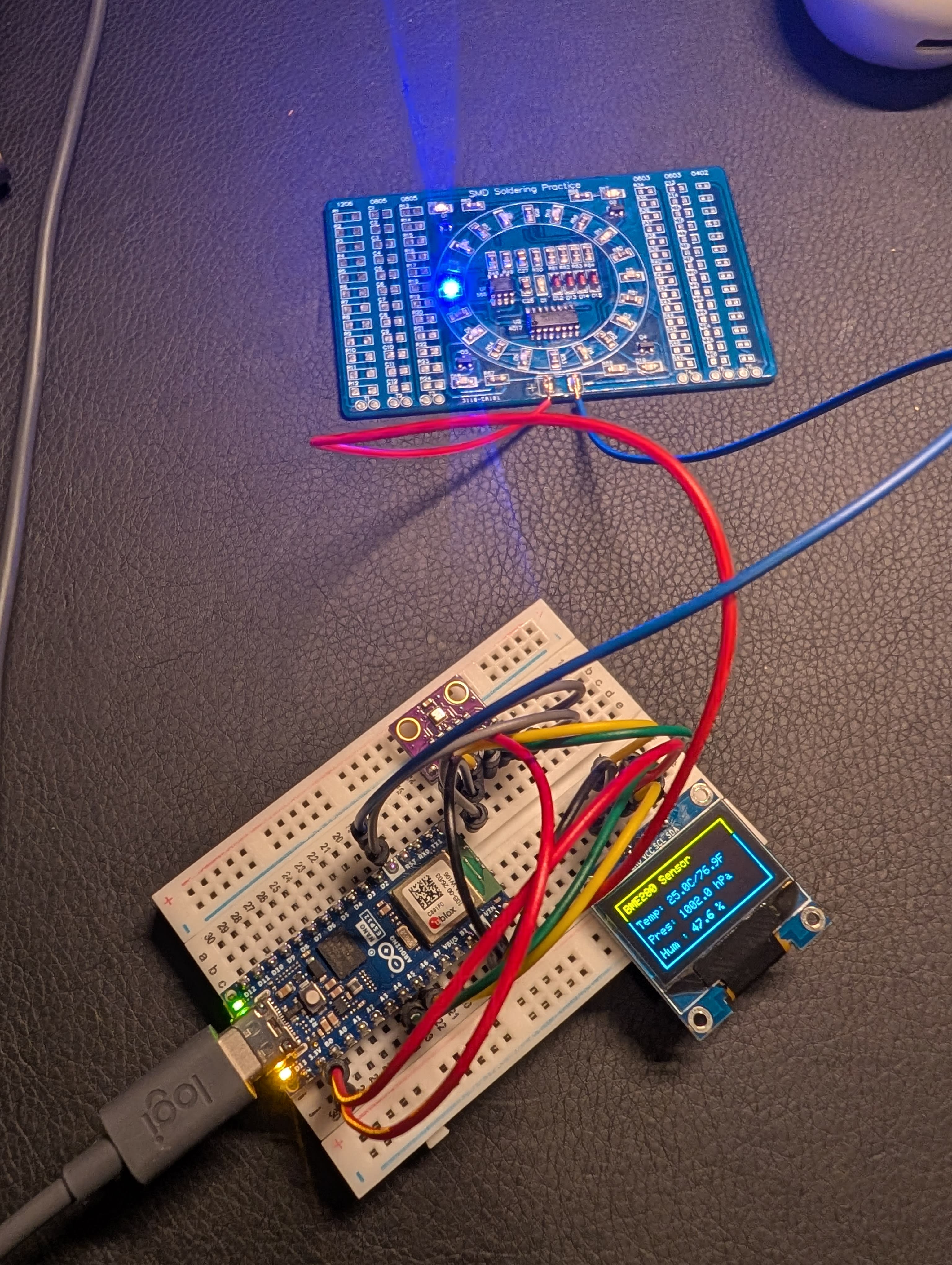
One of the primary discussions centers on the process of designing and assembling a first Printed Circuit Board (PCB). For many in the technology sector, this represents a critical milestone in the transition from theoretical knowledge to practical application. Moving from breadboarding—where components are temporarily connected via wires—to a permanent, professional-grade circuit requires a steep learning curve. This process typically involves mastering Electronic Design Automation (EDA) software, understanding the physics of trace routing to avoid interference, and the meticulous physical labor of soldering.
The Psychology of Achieving Goals
In contrast, the second thread, "How to Get What You Want," delves into the realm of soft skills and behavioral psychology. On platforms like Hacker News, these discussions often transcend simple 'life hacks' and instead focus on the strategic alignment of incentives, the art of negotiation, and the importance of clear, assertive communication. For a technical audience, this often translates to navigating corporate hierarchies, managing stakeholder expectations, or effectively pitching a technical product to a non-technical audience.
The Intersection of Hard and Soft Skills
The juxtaposition of these two topics underscores a broader trend in the modern technology landscape: the necessity of a "T-shaped" skill set. While the ability to build a physical device (the PCB) is a vital hard skill, the ability to navigate social and psychological systems to achieve a desired outcome is an equally critical soft skill. In the professional world, the most successful engineers are often those who can both design a complex system and negotiate the resources and support necessary to bring that system to fruition.
Conclusion
While these two threads are unrelated in their immediate subject matter, they collectively illustrate the ethos of the developer and engineer community. Whether mastering the physical laws of electronics or the psychological laws of human interaction, the overarching theme is one of continuous learning, iteration, and optimization. These discussions serve as a digital knowledge base where practitioners share failures and successes to accelerate the learning curve for others.
Multiple Citing Sources