Kode Dot Programmable pocket device for makers, pentesters and geeks
Source Entity
Hacker News
<a href="https://news.ycombinator.com/item?id=48884992">Comments</a>
Analysis of the Kode Dot Programmable Device
Introduction to the Kode Dot
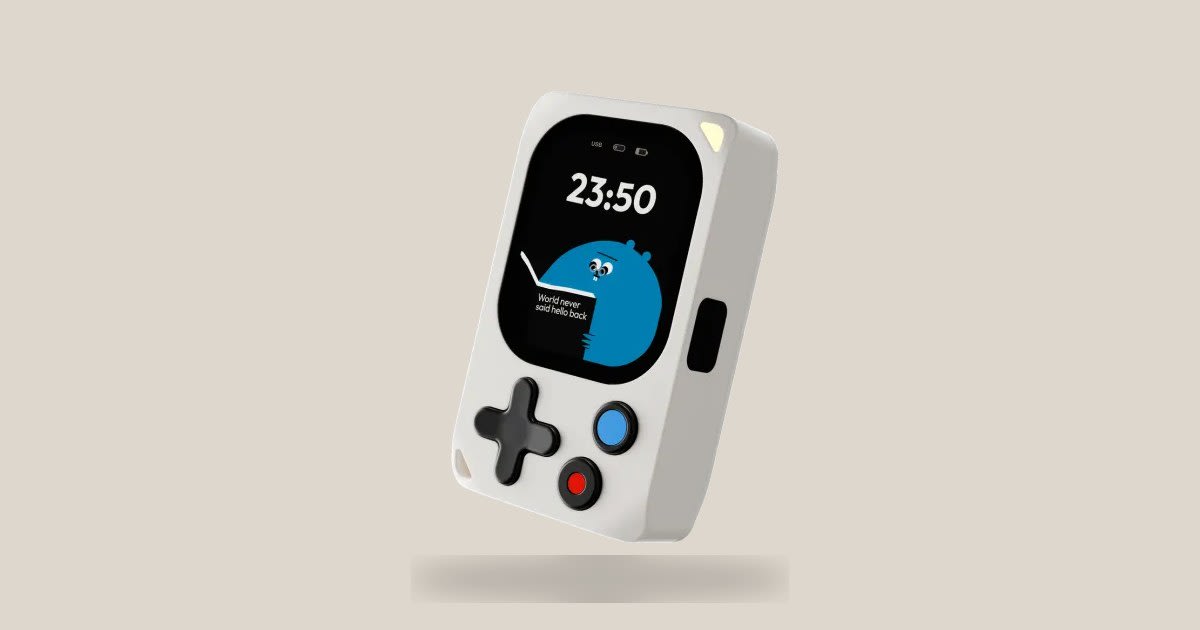
The emergence of the Kode Dot represents a continuing trend in the development of specialized, portable hardware designed for the "maker" and cybersecurity communities. Positioned as a programmable pocket device, the Kode Dot is specifically tailored for individuals who require on-the-go access to programmable interfaces, including hardware hackers, penetration testers (pentesters), and general technology enthusiasts. By condensing programmable capabilities into a pocket-sized form factor, the device aims to bridge the gap between bulky laboratory setups and the need for field-deployable tools.
The Intersection of Maker Culture and Hardware Hacking
To understand the relevance of the Kode Dot, one must look at the broader Maker Movement. For over a decade, the proliferation of platforms like Arduino and Raspberry Pi has democratized electronics, allowing non-engineers to build complex systems. The Kode Dot fits into this ecosystem by providing a streamlined, portable alternative. For makers, such a device serves as a versatile Swiss Army knife for prototyping, allowing them to test scripts, interact with peripherals, or automate small tasks without needing a full laptop setup. This miniaturization of power is a key driver in the current hardware market, moving from static desktop boards to dynamic, wearable, or pocketable gadgets.
Utility in Penetration Testing and Security
For penetration testers, the "programmable" aspect of the Kode Dot is its most critical feature. Pentesting involves simulating cyberattacks to find vulnerabilities in a system. A pocket-sized programmable device can be used for various tasks such as interacting with HID (Human Interface Device) protocols, testing network vulnerabilities, or manipulating hardware signals. The ability to carry a discrete, programmable tool allows security professionals to perform physical security audits and hardware interface tests efficiently. This follows the historical trajectory of tools like the Rubber Ducky or the Flipper Zero, which have set a precedent for multi-functional, portable security tools.
Broader Implications for Tech Education
Beyond professional use, devices like the Kode Dot have significant implications for STEM education. By providing a tactile, programmable interface, these devices lower the barrier to entry for learning low-level programming and electronics. Instead of interacting solely with a screen, users can see the immediate physical impact of their code. This "learning-by-doing" approach is essential for training the next generation of cybersecurity experts and hardware engineers, as it encourages experimentation and iterative failure in a controlled, portable environment.
Market Trends and Future Predictions
Looking forward, the success of the Kode Dot likely depends on its community support and the openness of its API. The trend in the "geek" community is heavily slanted toward open-source hardware. If the Kode Dot allows for extensive third-party plugin development and community-driven libraries, it will likely evolve from a simple tool into a platform. We can predict a future where such devices integrate more advanced wireless protocols (like LoRa or updated BLE standards) and potentially incorporate AI-driven automation for simpler scripting, making them even more powerful for field operations.
Conclusion
In summary, the Kode Dot is more than just a gadget; it is a reflection of the modern desire for portable, powerful, and programmable hardware. By targeting makers and pentesters, it taps into a high-growth niche of the technology market that values flexibility and discretion. As the boundary between software and physical hardware continues to blur, tools like the Kode Dot will become indispensable for those tasked with securing and building the digital infrastructure of the future.