OpenAI investors have approached the company about a new funding round
Source Entity
US Top News and Analysis
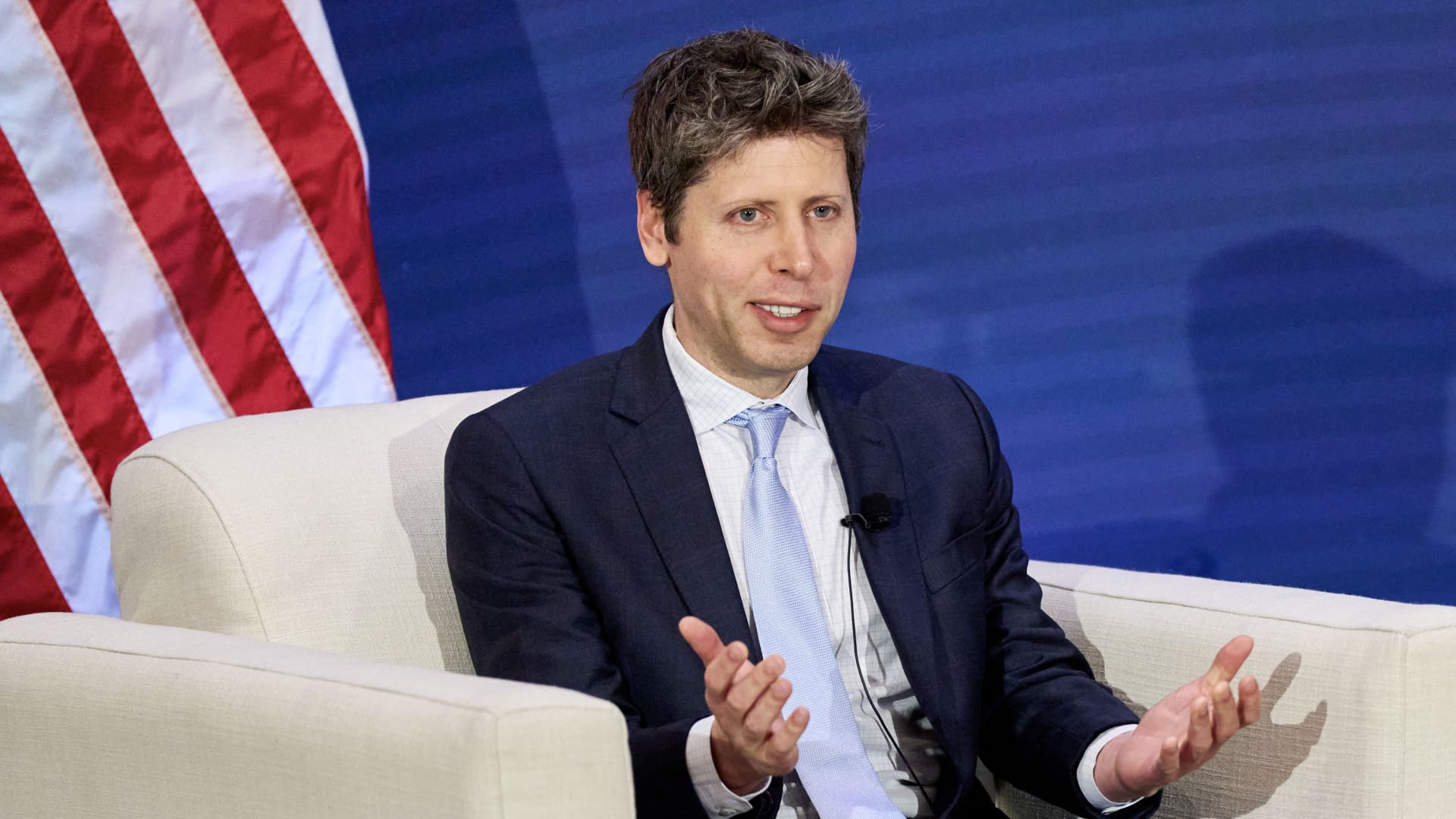
OpenAI investors are proposing a new funding round that could push the company's valuation to $1.2 trillion. Despite these overtures, the company is not in formal discussions as it prepares for an anticipated blockbuster IPO next year.
The Speculative Surge: OpenAI's Valuation Trajectory
OpenAI, the vanguard of the generative artificial intelligence movement, finds itself at the center of intense financial speculation. Recent reports indicate that investors have approached the company with proposals for a new funding round, floating a staggering $1.2 trillion valuation. This development follows a significant capital injection in March, where the firm raised $122 billion at an $852 billion valuation. While these figures underscore the immense market appetite for AI-driven infrastructure, OpenAI has maintained a disciplined stance, confirming that no formal discussions are currently underway.
The Path to a Blockbuster IPO
The backdrop for this financial maneuvering is OpenAI’s anticipated transition to the public markets. Having confidentially filed its prospectus in June, the company is widely expected to pursue a blockbuster IPO in 2027. This move represents a pivotal shift from a private research-focused entity to a publicly traded titan. The confidential filing is a critical strategic step, allowing the company to manage regulatory scrutiny while preparing its financial disclosures for the intense transparency requirements of the public stock exchange.
Strategic Motivations for Liquidity
Beyond mere capital accumulation, the proposed funding round serves a vital function for internal stakeholders. Investors have positioned the potential influx of cash as a mechanism to facilitate employee stock sales. In the high-stakes environment of AI development, retaining top-tier engineering talent is paramount. By providing employees with opportunities to realize the value of their equity prior to the IPO, OpenAI can incentivize long-term commitment while navigating the competitive landscape of Silicon Valley talent acquisition.
Market Dynamics and Investor Sentiment
The float of a $1.2 trillion valuation reflects the broader market's belief in the long-term scalability of OpenAI’s technology. The intersection of institutional interest and the company's own roadmap suggests that while OpenAI is currently not engaged in active funding talks, the pressure from external capital providers remains high. This dynamic illustrates a classic 'wait-and-see' approach by the company’s leadership, led by CEO Sam Altman, who continues to balance the necessity of massive compute resources with the strategic timing of an entry into public equity markets.
Looking Ahead: The 2027 Outlook
As the company navigates the period leading up to its potential IPO, the focus will likely remain on operational efficiency and the commercialization of its advanced models. The G20 Innovation Ministerial appearance by CEO Sam Altman in September 2026 highlights the company's increasing influence on a global stage, suggesting that its future is as much about geopolitical and regulatory alignment as it is about software development. Investors and industry analysts will be watching closely to see if the company capitalizes on current valuation premiums before the final public offering process concludes.
Conclusion
In summary, while the market is eager to inflate OpenAI's valuation to the trillion-dollar mark, the company is maintaining its focus on the procedural rigor required for its upcoming IPO. The balance between maintaining liquidity for staff and preparing for the scrutiny of public markets will remain the defining challenge for OpenAI in the coming year. For now, the firm remains a private powerhouse, resisting the urge for immediate capital rounds in favor of a structured, long-term public debut.