Orlando Bloom’s daily practice for peace amid fame and pressure
Source Entity
TOI LIFESTYLE DESK
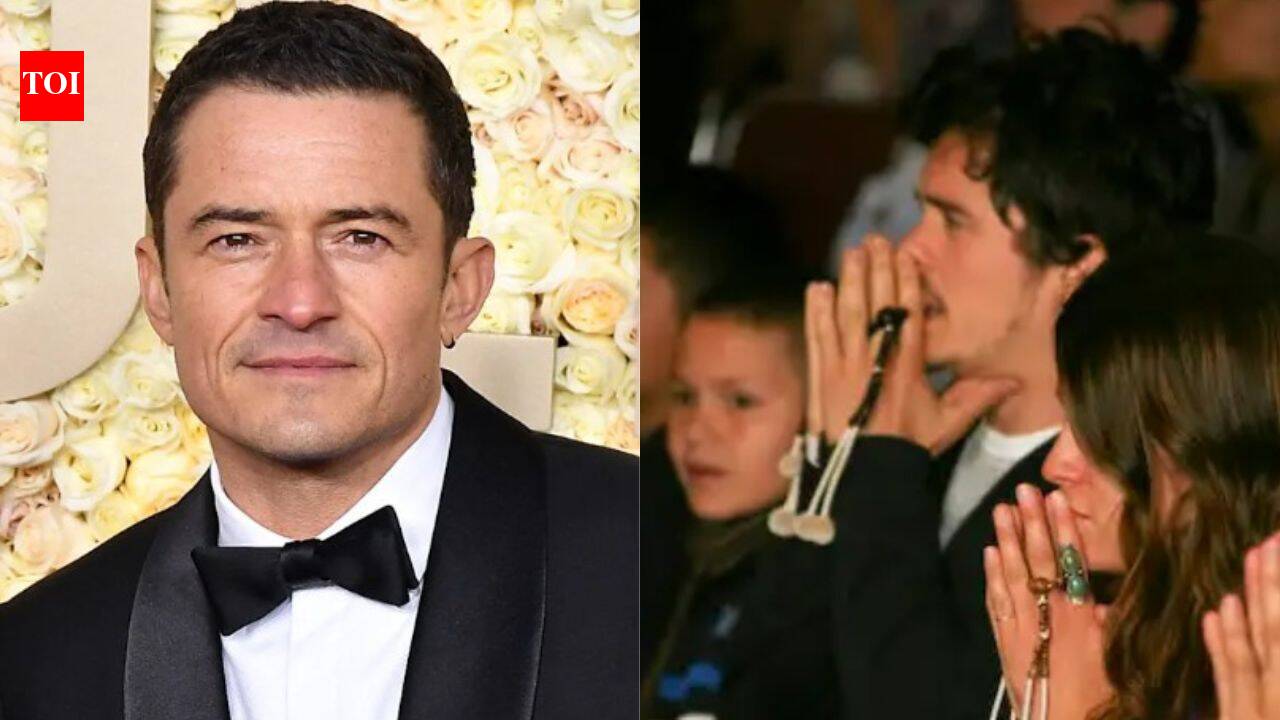
Actor Orlando Bloom shared how Nichiren Buddhism shaped his personal life and acting career. He began practicing at sixteen after meeting a Soka Gakkai member in London. A serious accident at twenty-one became a turning point, teaching him to turn poison into medicine. Bloom relied on chanting during auditions and while navigating public scrutiny. He found inspiration and grounding through his Buddhist practice and meeting Daisaku Ikeda.
Faith Amidst Fame: Orlando Bloom's Journey with Nichiren Buddhism
In an industry often defined by volatility, superficiality, and immense psychological pressure, Orlando Bloom has emerged as a prominent voice advocating for spiritual discipline as a means of maintaining mental equilibrium. Bloom’s openness about his practice of Nichiren Buddhism reveals a deeply personal architecture of resilience that he has constructed over decades. Rather than viewing his faith as a peripheral hobby, Bloom describes it as a central pillar that has supported him from his teenage years through the heights of his international stardom, providing a grounding mechanism against the chaotic nature of the entertainment world.
Early Foundations and the Soka Gakkai Influence
Bloom's spiritual journey began at the formative age of sixteen in London, sparked by an encounter with a member of Soka Gakkai, a lay Buddhist organization based on the teachings of the 13th-century priest Nichiren. This early introduction is significant, as it occurred during a period of adolescence when identity formation is most critical. By adopting a practice centered on the chanting of Nam-myoho-renge-kyo, Bloom engaged with a philosophy that emphasizes the inherent dignity of the individual and the potential for every person to transform their life. This foundation likely provided him with an internal compass long before he was thrust into the global spotlight of major film franchises.
Turning Poison into Medicine: The Catalyst of Crisis
One of the most profound elements of Bloom's narrative is the turning point he experienced at age twenty-one following a serious accident. In Nichiren Buddhism, there is a core concept known as "turning poison into medicine," which posits that challenges and suffering are not merely obstacles to be avoided, but are actually the raw materials for growth and enlightenment. For Bloom, this accident served as a practical application of his faith. Instead of succumbing to despair or trauma, he utilized his practice to transmute the pain of the event into a source of inner strength, establishing a psychological pattern of resilience that would later serve him during the scrutiny of his professional life.
Navigating the Pressures of Hollywood
As Bloom's career accelerated, the external pressures of auditions, critical reviews, and relentless public scrutiny intensified. He reveals that chanting became a vital tool for maintaining focus and composure during high-stakes moments. In the high-pressure environment of Hollywood, where an actor's value is often tied to external validation, Bloom's practice shifted his focus inward. By relying on his Buddhist practice, he was able to decouple his sense of self-worth from the fluctuating opinions of the public and the industry, allowing him to approach his craft with a sense of stability rather than anxiety.
The Role of Mentorship and Daisaku Ikeda
Central to Bloom's experience was the inspiration he drew from Daisaku Ikeda, the long-time president of Soka Gakkai. Ikeda's philosophy focuses on humanism, peace, and the empowerment of the individual to create a better society. For Bloom, this mentorship provided a broader purpose beyond the confines of his acting career. The alignment between his personal practice and Ikeda's global vision of peace helped Bloom contextualize his fame, viewing his platform not just as a means of professional success, but as an opportunity to embody values of compassion and resilience in the public eye.
Broader Implications for Celebrity Mental Health
Bloom's experience reflects a growing trend among high-profile figures seeking structured spiritual or mindfulness practices to combat the unique mental health challenges associated with extreme fame. The "celebrity bubble" often leads to isolation and a loss of identity; however, Bloom's commitment to a community-based faith like Soka Gakkai provided him with a sense of belonging and a consistent moral framework. His journey suggests that for those in the public eye, the ability to maintain a private, disciplined spiritual life is often the key to longevity and sanity in a demanding profession.
Conclusion: A Legacy of Resilience
Orlando Bloom's trajectory—from a sixteen-year-old seeker in London to a global icon—is a testament to the power of consistent spiritual practice. By integrating the Buddhist principle of transforming adversity into strength, he has successfully navigated the treacherous waters of fame. His story serves as a compelling example of how a dedicated inner life can act as a shield against external pressure, proving that the most enduring success is that which is anchored in a deep, personal sense of peace and purpose.