Inside Vikas Khanna’s childhood home in Amritsar: Family photos, desi kitchen, lush green garden
Source Entity
The Indian Express
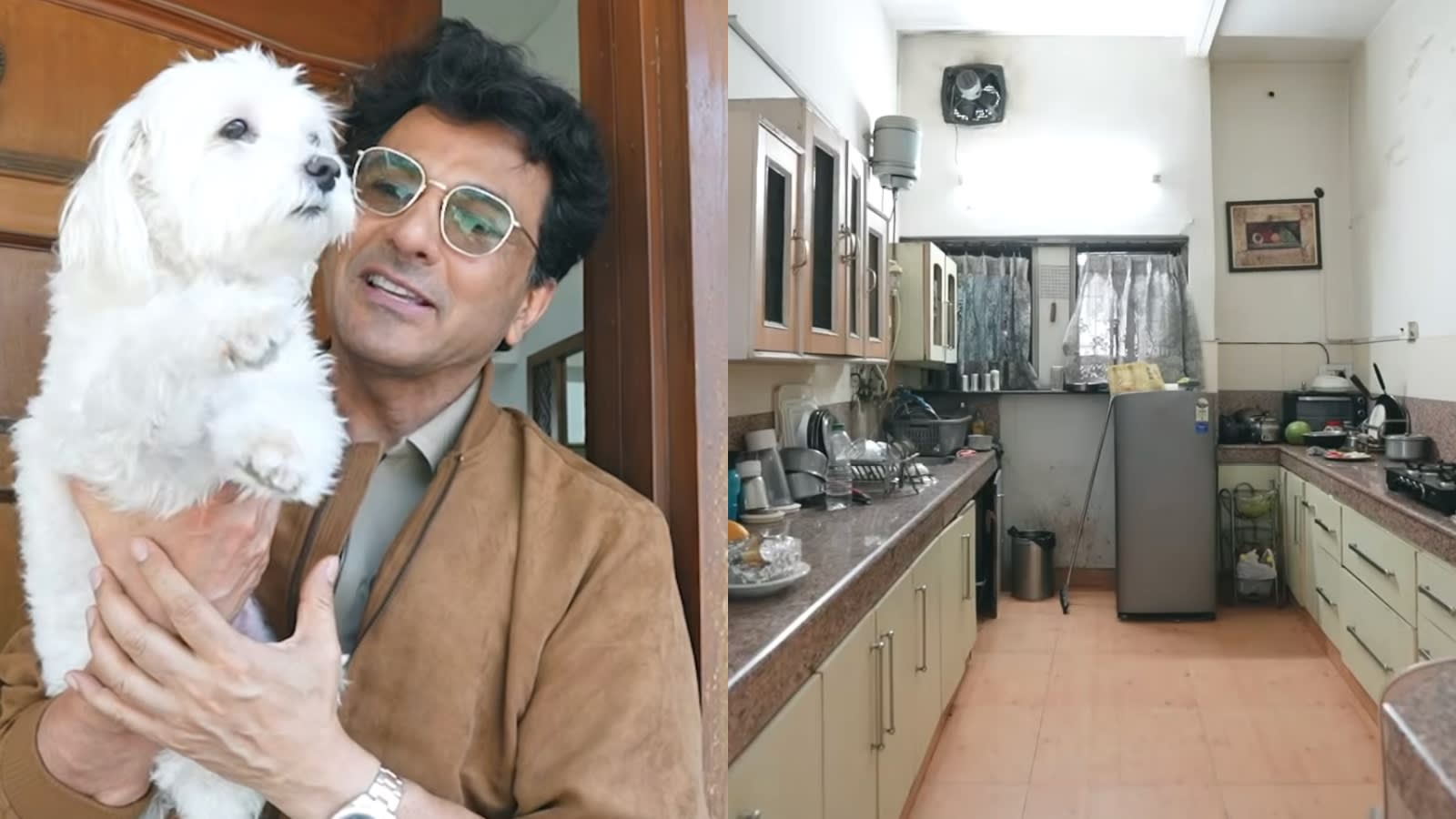
Michelin-star chef Vikas Khanna recently returned to India for a short break from New York and spent time at his childhood home in Amritsar, Punjab. In a video with Curly Tales, the chef prepared and...
A Culinary Homecoming: Analyzing Vikas Khanna's Return to Amritsar
The recent visit of Michelin-star chef Vikas Khanna to his childhood home in Amritsar, Punjab, serves as more than just a nostalgic trip; it is a poignant exploration of the intersection between global success and ancestral roots. After establishing himself as a titan in the New York culinary scene, Khanna's return to the heart of Punjab highlights the enduring influence of one's origins on their professional identity. The intimacy of the visit, captured through a collaboration with the digital platform Curly Tales, provides a rare glimpse into the private environment that fostered one of the world's most celebrated chefs.
The Symbolic Power of the 'Desi Kitchen'
At the core of this homecoming is the 'desi kitchen,' a space that represents the foundational elements of Khanna's gastronomic philosophy. In the world of high-end culinary arts, the contrast between a Michelin-starred kitchen in New York and a traditional Punjabi kitchen is stark, yet conceptually linked. The desi kitchen is where the authentic flavors, traditional techniques, and familial recipes are preserved. By showcasing this space, Khanna emphasizes that the complexity of modern fine dining is often built upon the simplicity and purity of home-cooked meals. This connection suggests that his global acclaim is not a departure from his roots, but rather an evolution of them.
Amritsar: The Cradle of Culinary Inspiration
Amritsar is not merely a city but a cultural and culinary epicenter of India, renowned for its rich street food culture and the legendary community kitchen (langar) of the Golden Temple. For a chef of Khanna's caliber, returning to this specific environment is a return to the source of his inspiration. The city's emphasis on generosity, flavor, and community-driven eating is mirrored in Khanna's own approach to food. The lush green gardens and family photos mentioned in the reports underscore a sense of stability and belonging, providing a psychological anchor for a professional who operates in the high-pressure, transient environment of international celebrity chefdom.
Digital Storytelling and the Diaspora Narrative
The choice to document this visit with Curly Tales reflects a broader trend in contemporary media where high-profile figures utilize digital storytelling to humanize their brand. For the Indian diaspora and global audiences, seeing a world-renowned figure return to a modest childhood home creates a powerful narrative of aspiration and authenticity. This 'return to roots' trope resonates deeply because it validates the idea that global success does not require the erasure of one's cultural identity. Instead, it positions the childhood home as a sanctuary of truth amidst the artifice of fame.
Bridging the Gap: From Punjab to the Michelin Guide
Analyzing the trajectory from a childhood home in Amritsar to a Michelin star in New York reveals a journey of cultural translation. Khanna has spent his career translating the bold, rustic flavors of Punjab into a language that is accessible and appreciated by the global elite. This visit serves as a reminder that the 'soul' of his cooking remains tethered to the smells, sights, and sounds of his youth. The ability to navigate both the luxury of New York and the simplicity of Amritsar is what gives Khanna his unique edge in the competitive world of international gastronomy.
Future Implications for Cultural Diplomacy
Looking forward, such public displays of cultural pride by global icons like Vikas Khanna contribute significantly to India's 'soft power.' By celebrating the mundane details of his childhood home—the family photos and the garden—Khanna promotes a version of India that is grounded, warm, and deeply connected to family values. This helps shift the global perception of Indian cuisine from merely 'ethnic food' to a sophisticated art form with deep historical and emotional roots. As more Indian professionals reach the pinnacle of their fields globally, these narratives of homecoming will likely become more frequent and influential.
Conclusion
In summary, Vikas Khanna's visit to Amritsar is a masterclass in the importance of heritage. By opening the doors to his childhood home, he bridges the gap between his current status as a global culinary icon and his beginnings as a boy in Punjab. This synthesis of the traditional and the modern not only reinforces his personal brand but also celebrates the timeless appeal of home and family, proving that no matter how far one travels, the road back to one's roots is the most essential journey of all.