Andrew Flintoff's Top Gear crash passenger sues BBC Studios
Source Entity
BBC News
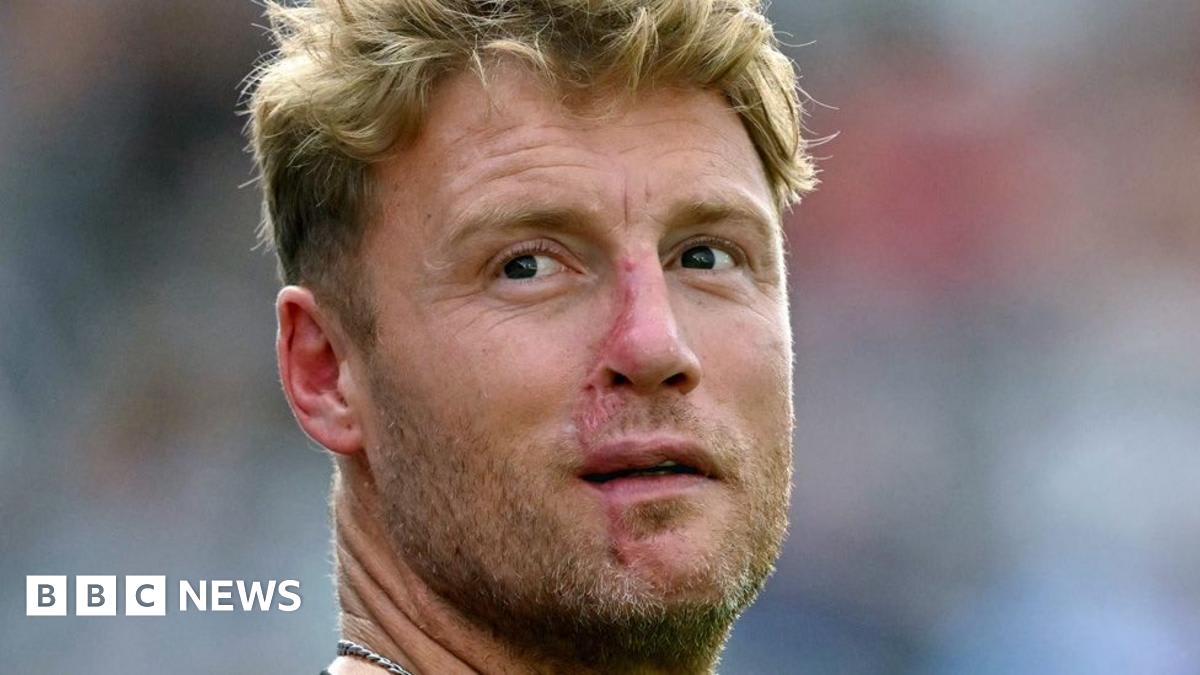
Expert driver Paul Rees is claiming personal injury, which BBC Studios is disputing.
Legal Fallout from the Top Gear Crash: Paul Rees vs. BBC Studios
The world of high-octane television production has been thrust back into the spotlight following the announcement that Paul Rees, an expert driver, is suing BBC Studios. The lawsuit stems from a severe accident involving former cricketer and presenter Andrew Flintoff during the filming of the iconic automotive show Top Gear. While the public eye was initially focused on Flintoff's recovery and the subsequent hiatus of the production, this legal move shifts the narrative toward the occupational hazards and corporate liabilities inherent in stunt-heavy broadcasting.
The Core of the Legal Dispute
At the heart of this case is a claim for personal injury filed by Paul Rees. As an expert driver, Rees's role was to provide professional guidance and safety oversight during high-risk maneuvers. The fact that a professional in the field is seeking damages suggests that the injuries sustained were significant enough to override the standard professional risks associated with the job. BBC Studios, however, has formally disputed the claim. This indicates a legal strategy likely centered on the argument that all necessary safety protocols were followed, or that the incident was an unavoidable accident occurring within the scope of a high-risk professional environment.
Duty of Care in High-Risk Production
This case raises critical questions regarding the 'duty of care' that production companies owe to their staff and contractors. In the context of Top Gear, where the brand is built on pushing vehicles and drivers to their absolute limits, the line between a 'calculated risk' and 'negligence' becomes blurred. The court will likely examine the specific safety briefings, the state of the vehicle used, and the environmental conditions at the time of the crash. If it is found that BBC Studios failed to implement adequate safety measures, the financial and reputational repercussions could be substantial.
Historical Context of Stunt Safety
Historically, the entertainment industry has operated under a culture of 'the show must go on,' often pushing the boundaries of safety to achieve a more visceral viewing experience. However, the last decade has seen a tightening of Health and Safety Executive (HSE) standards in the UK. The Flintoff accident represents a modern collision between the legacy of Top Gear's daredevil approach and the contemporary legal requirement for stringent risk mitigation. This lawsuit is a symptom of a broader trend where industry professionals are less willing to accept 'inherent risk' and are more likely to seek legal recourse for workplace injuries.
Broader Implications for the BBC
For BBC Studios, this dispute is more than just a financial liability; it is a matter of corporate governance. As a public-facing entity, the BBC is held to a high standard of accountability. A loss in court could lead to a mandatory overhaul of how the corporation handles stunt coordination and insurance for its freelance experts. Furthermore, it may influence the casting and direction of future seasons of Top Gear, potentially leading to a more conservative approach to filming that prioritizes safety over spectacular crashes, thereby altering the very DNA of the program.
Conclusion and Future Outlook
As the legal battle between Paul Rees and BBC Studios unfolds, the outcome will likely serve as a benchmark for liability in the UK's entertainment sector. If Rees succeeds, it will reinforce the necessity for production houses to provide ironclad safety guarantees, regardless of the expertise of the personnel involved. Conversely, a victory for the BBC would affirm the validity of professional risk waivers in high-stakes environments. Ultimately, this case underscores the precarious balance between the pursuit of entertainment and the fundamental right to a safe working environment.