Military Digest: The Pakistani soldiers still buried on Indian soil 27 years after Kargil war
Source Entity
Man Aman Singh Chhina
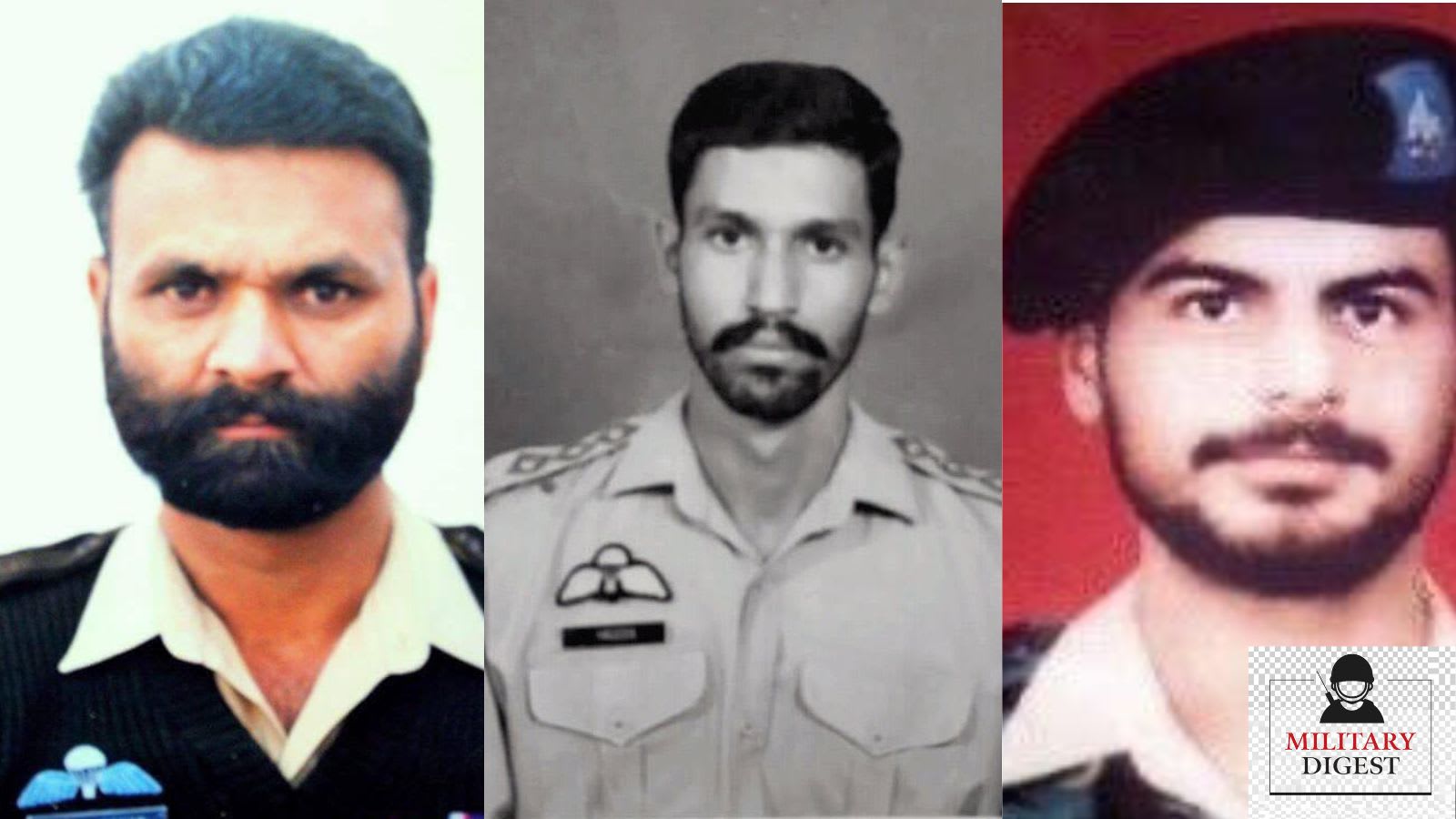
As India prepares to observe Kargil Vijay Diwas (July 26) to honour the soldiers and airmen who died reclaiming the country’s high-altitude territory from intruders, a stark contrast remains across th...
The Lingering Shadows of the Kargil Conflict
Every year on July 26, India observes Kargil Vijay Diwas, a day dedicated to honoring the bravery and sacrifice of the soldiers and airmen who reclaimed high-altitude territories from intruders during the 1999 conflict. While the day is marked by patriotic fervor and celebrations of military victory, it also brings to light a poignant and often overlooked humanitarian detail: the presence of Pakistani soldiers who were buried on Indian soil nearly three decades ago. This contrast between the celebration of victory and the lingering remains of the adversary underscores the complex emotional and diplomatic landscape of the Indo-Pak relationship.
The Strategic and Human Toll of the 1999 War
To understand the gravity of this situation, one must look back at the nature of the Kargil War. The conflict was characterized by brutal, high-altitude warfare in the rugged terrain of the Himalayas, where Indian forces fought uphill against entrenched positions. The intensity of the combat resulted in significant casualties on both sides. Following the cessation of hostilities, the Indian Army, adhering to international military customs and the Geneva Conventions, provided dignified burials to fallen Pakistani soldiers. These burials were often performed with military honors, reflecting a professional ethos that transcends national enmity even in the heat of war.
The Diplomatic Stalemate over Repatriation
Despite the passage of 27 years, the repatriation of these remains has remained a stagnant issue. The failure to return these soldiers to their homeland is not merely a logistical failure but a symptom of the deep-seated diplomatic freeze between New Delhi and Islamabad. Repatriation of fallen soldiers typically requires formal diplomatic channels and a level of bilateral trust that has been virtually non-existent since the 2001 Parliament attack and the subsequent tensions over terrorism. The lack of a formal mechanism for the exchange of remains reflects how political volatility often overrides humanitarian imperatives.
The Humanitarian Dimension and Family Grief
Beyond the geopolitical maneuvering lies a profound human tragedy. For the families of the Pakistani soldiers, the uncertainty of their loved ones' final resting place is a source of enduring grief. In many cases, these soldiers were listed as 'missing in action' or were buried in unmarked or remote graves in the high mountains. The inability to retrieve these bodies prevents families from achieving closure, turning a military loss into a permanent state of mourning. This aspect of the conflict highlights that while wars are fought by states, the scars are borne by individuals and their families across borders.
Future Trends and the Potential for Peace Gestures
Looking forward, the repatriation of these remains could serve as a rare point of diplomatic leverage or a gesture of goodwill. In international relations, the return of remains is often used as a 'confidence-building measure' (CBM) to signal a desire for reduced tensions. Should there be a thaw in relations, the resolution of this 27-year-old issue could act as a catalyst for broader dialogue. However, given the current climate of strategic distrust, it is more likely that these graves will remain as silent monuments to a war that ended officially in 1999 but continues psychologically and diplomatically.
Conclusion
The dichotomy of Kargil Vijay Diwas—celebrating the liberation of territory while acknowledging the buried dead of the opponent—serves as a stark reminder of the cost of war. The Pakistani soldiers buried on Indian soil are more than just casualties of a territorial dispute; they are symbols of a frozen peace. Until the two nations can find a way to separate humanitarian obligations from political grievances, these graves will continue to mark the unresolved tensions of the subcontinent.