Waterlogging, poor drainage have halted industrial activity in West Bengal Panihati municipality for months
Source Entity
India Latest News: Top National Headlines Today & Breaking News | The Hindu
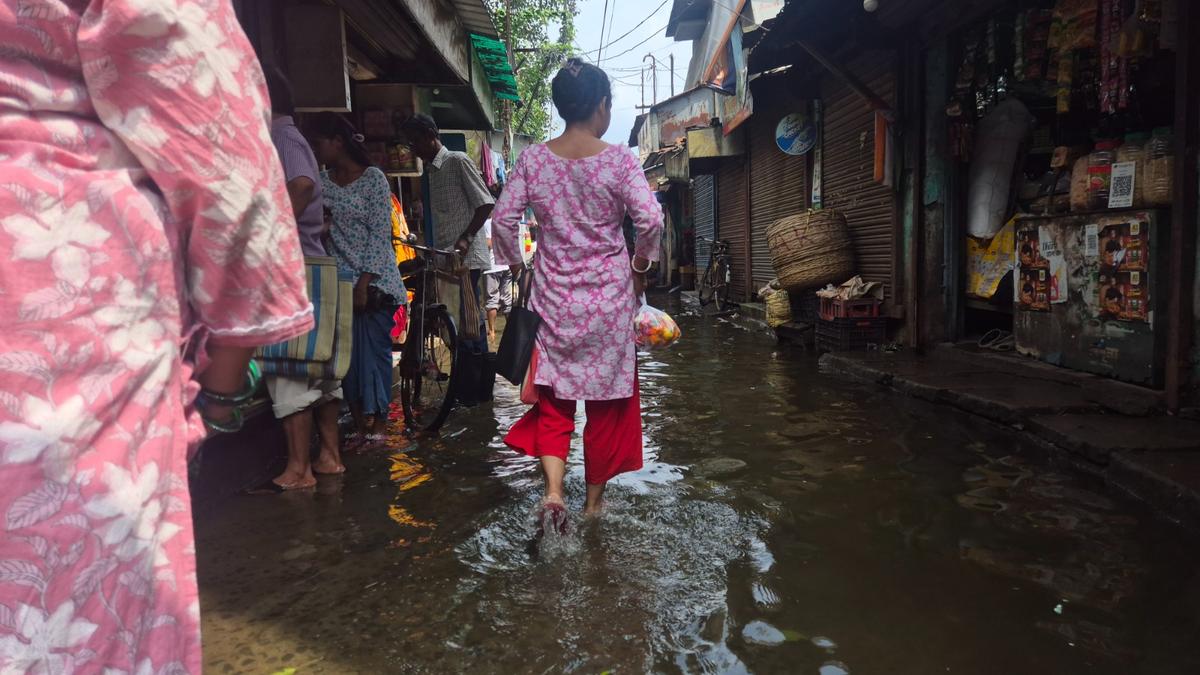
Severe waterlogging in West Bengal's Panihati municipality has disrupted operations at Texmaco Rail & Engineering Ltd. Despite repeated complaints to local authorities, poor drainage infrastructure continues to cause recurring industrial shutdowns.
Industrial Paralysis in Panihati: The Impact of Infrastructure Failure
A Crisis of Drainage and Governance
The industrial landscape of Panihati municipality in West Bengal’s North 24 Parganas is currently facing a severe crisis that threatens the viability of major manufacturing operations. Texmaco Rail & Engineering Ltd., a prominent multi-unit engineering and infrastructure firm, has been grappling with persistent waterlogging that renders its primary access points unusable. The situation, characterized by ankle-deep water extending hundreds of meters from the company’s main gate, serves as a stark visual indicator of failing urban infrastructure that prioritizes neither industrial continuity nor basic public utility standards.
The Human and Operational Cost
The operational impact on Texmaco is not merely anecdotal; it is structural. Reports indicate that the company has been forced to shut down six of its operational units in Panihati for a cumulative period of one month over the past two years. This represents a significant loss in productivity and supply chain stability. The daily reality for employees, exemplified by security personnel forced to wear gumboots and navigate flooded premises, underscores the hazardous and untenable working conditions created by the lack of effective drainage systems.
Historical Neglect and Political Stagnation
A troubling aspect of this narrative is the apparent inertia from local governance. Debasish Dutta, a local activist and resident, has documented a long-standing history of administrative apathy, noting that appeals for redress were ignored during the previous Trinamool Congress regime and remain unaddressed under the current Bharatiya Janata Party-influenced local governance climate. This pattern suggests that industrial zones are falling victim to a broader trend of political stagnation, where infrastructure maintenance is sidelined regardless of the governing entity.
Economic Implications for the Region
Beyond the immediate disruption to Texmaco, the situation raises alarms regarding West Bengal’s broader industrial climate. When major engineering firms are unable to maintain consistent operational capacity due to preventable environmental factors like poor drainage, it signals a significant risk to the state’s economic development. If infrastructure does not keep pace with industrial needs, the long-term consequence is often the migration of capital and investment to regions with more reliable public services.
Future Trends and Necessary Interventions
Looking forward, unless municipal authorities initiate a comprehensive overhaul of the drainage network in Panihati, recurring monsoonal waterlogging will continue to erode the competitiveness of local manufacturers. The failure to mitigate these environmental challenges suggests a future where industrial zones in the region may face increasingly frequent, prolonged shutdowns. Solving this will require an urgent move away from partisan finger-pointing toward a coordinated, infrastructure-focused policy response that prioritizes the restoration of industrial access and safety.
Verification Required?