Sadhguru on Pitru Paksha: Why Mahalaya Amavasya is more than a usual Amavasya
Source Entity
Latest News: Todays Latest News Headlines from India & World | Hindustan Times | Hindustan Times
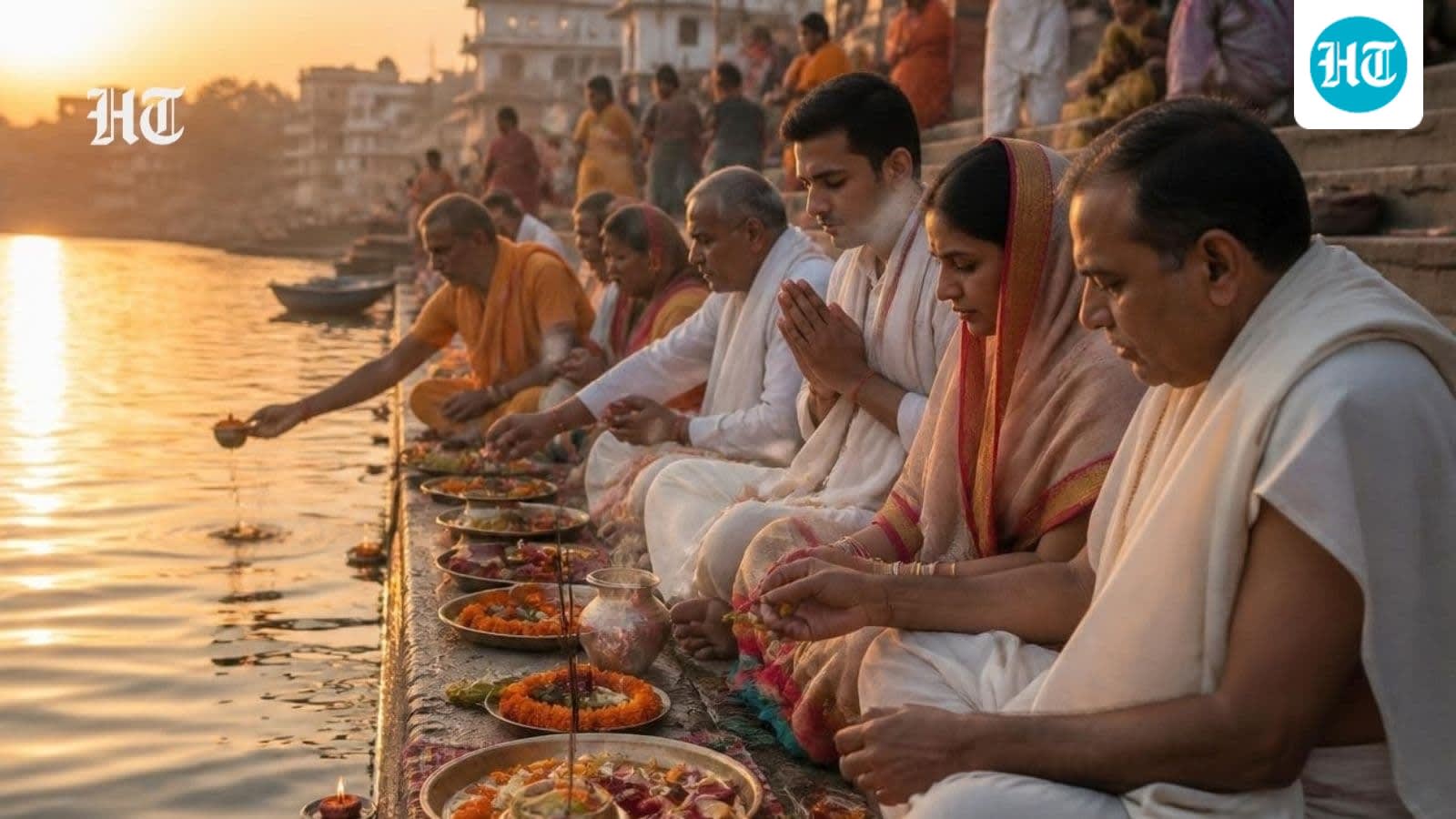
Mahalaya Amavasya marks the conclusion of the 2026 Pitru Paksha period, serving as a significant time for spiritual reflection and ancestral gratitude. Sadhguru emphasizes that this day acts as a reminder of one's lineage and the foundational role of previous generations.
Understanding the Spiritual Significance of Pitru Paksha 2026
Pitru Paksha, a significant period in the Hindu calendar, serves as a dedicated timeframe for honoring and remembering ancestors. In 2026, this observance spans from September 27 to October 10, culminating in the highly anticipated Sarva Pitru Amavasya. This period is not merely a ritualistic observance but a deeply rooted cultural practice that encourages individuals to acknowledge their lineage and the continuity of life across generations.
The Finality of Sarva Pitru Amavasya
Sarva Pitru Amavasya, which falls on October 10, 2026, represents the conclusion of the Pitru Paksha cycle. According to the Drik Panchang, this day aligns with the Ashwina Krishna Amavasya tithi, beginning on the evening of October 9 and concluding on October 10. The timing is critical for families who engage in traditional rituals, including the offering of food, water, and prayers, which are believed to provide solace and recognition to those who have passed away.
Sadhguru’s Perspective: Beyond Rituals
Sadhguru, through the Isha Foundation, offers a broader philosophical lens on this observance. He posits that Mahalaya Amavasya should be viewed as more than a memorial for the deceased; rather, it is an opportunity for spiritual seekers to cultivate a sense of profound gratitude. By reflecting on the lives of those who came before, individuals can recognize that their own existence is the result of a long, unbroken chain of ancestors, fostering a deeper connection to their roots.
Reflecting on Personal Lineage
For the modern spiritual seeker, the final day of Pitru Paksha acts as a necessary pause in an otherwise fast-paced life. It is an invitation to contemplate the idea that one's life did not begin in isolation. This recognition of the 'ancestral debt'—a concept central to many Eastern philosophies—encourages humility and a sense of responsibility toward the future, acknowledging the sacrifices and contributions of predecessors.
The Broader Implications of Ancestral Remembrance
Ultimately, the observance of Pitru Paksha serves as a bridge between the past and the present. By actively participating in these traditions, families reinforce their identity and communal bonds. Whether through specific rituals or personal meditation, the focus remains on the continuity of the human experience and the importance of maintaining an active, grateful relationship with one's heritage, ensuring that the stories and spirits of ancestors remain integrated into the fabric of daily life.
Verification Required?