PMC fines man ₹50K for dumping debris in riverbed
Source Entity
Latest News: Todays Latest News Headlines from India & World | Hindustan Times
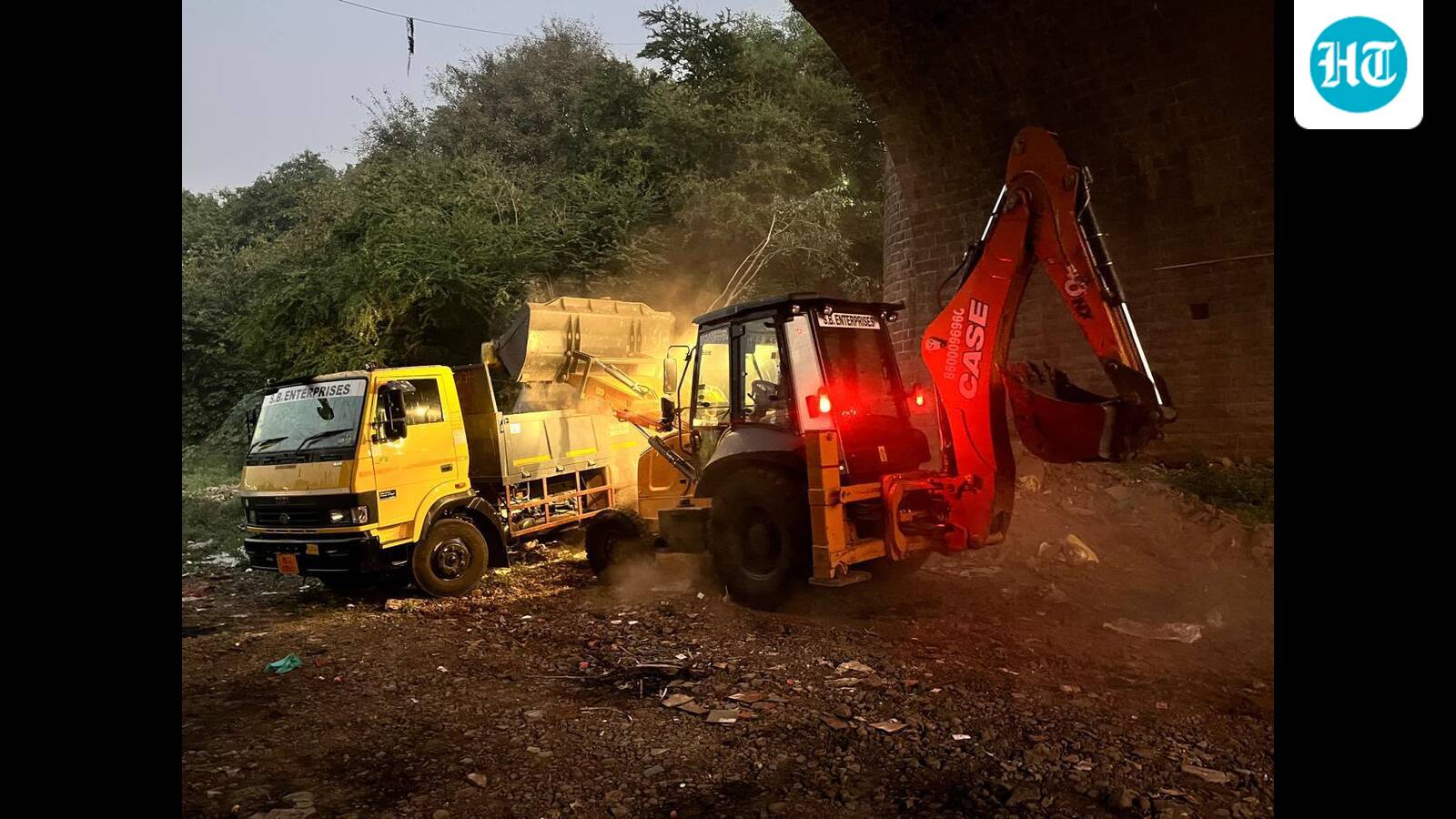
The Pune Municipal Corporation (PMC) fined a Yerawada resident ₹50,000 for illegally dumping construction debris into a riverbed. Authorities confiscated the tractor used in the incident and mandated the offender clear the waste before his release.
PMC Takes Decisive Action Against Illegal Waste Dumping
The Pune Municipal Corporation (PMC) recently took firm action against environmental degradation by imposing a ₹50,000 fine on a resident of Yerawada. The incident, which occurred on November 16, involved the blatant dumping of a significant volume of construction debris directly into a local riverbed. This enforcement action, led by the Vishrambaug Wada ward office, highlights the ongoing struggle municipal bodies face in maintaining urban ecological health.
The Mechanics of the Enforcement
According to official reports, the illegal activity was brazen, occurring in broad daylight. A sanitary inspector patrolling the area identified the perpetrator while he was using a tractor to offload the waste. By acting quickly, the ward office was able to seize the tractor, effectively halting the illegal operation and securing evidence of the violation. This swift intervention serves as a deterrent against those who might otherwise view the city's riverbeds as convenient disposal sites for construction byproducts.
Environmental and Legal Implications
Riverbeds are essential components of urban drainage systems and biodiversity. Dumping debris into these areas does not only cause aesthetic blight; it physically obstructs water flow, increases the risk of local flooding during monsoon seasons, and introduces hazardous pollutants into the water table. The PMC’s decision to mandate that the accused personally clear the debris using heavy machinery—such as a JCB and a truck—before his release ensures that the environmental damage was remediated rather than just monetarily penalized.
Accountability and Urban Management
Rajesh Gurum, the assistant commissioner of the Vishrambaug ward, emphasized that the offender was only released once the site was restored. This approach shifts the burden of cleanup back onto the polluter, which is a critical aspect of municipal law enforcement. By forcing the individual to rectify the damage, the PMC reinforces the 'polluter pays' principle, which is central to effective environmental governance in rapidly growing urban centers like Pune.
Broader Trends in Municipal Governance
This incident is indicative of a larger challenge facing Indian cities: the illegal disposal of construction and demolition (C&D) waste. As urban development continues at an aggressive pace, the volume of waste generated often outstrips the availability of authorized disposal facilities. Consequently, municipal bodies are increasingly adopting stricter surveillance and higher penalty structures to curb the indiscriminate dumping of waste in public spaces and water bodies.
Future Outlook
Moving forward, the success of such enforcement actions will rely heavily on the vigilance of ward-level officers and the willingness of the public to report such activities. While a ₹50,000 fine is a significant deterrent, the long-term solution lies in creating better awareness regarding designated disposal sites and streamlining the waste management process. The PMC’s recent action sets a clear precedent that illegal dumping will not be tolerated, signaling a more proactive stance toward protecting Pune’s natural assets.
Verification Required?