Toying with fame: Why pop's biggest stars are ending up on toy shelves
Source Entity
Latest News: Today's Latest News Headlines from India & World | Hindustan Times | Hindustan Times
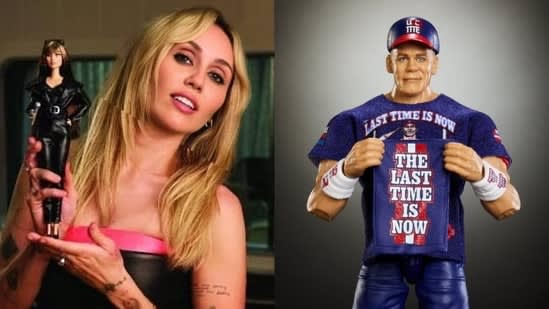
An analysis of the strategic trend where global pop icons collaborate with major toy brands like LEGO, Barbie, and Funko to solidify their brand legacy and tap into the lucrative collectibles market.
The Plastic Pantheon: Analyzing the Rise of Pop Star Collectibles
In recent years, a fascinating intersection has emerged between the music industry and the global toy market. The phenomenon of "immortalization in plastic," where pop's biggest stars are transformed into LEGO sets, Barbie dolls, Funko Pops, and Bratz figures, is far more than a simple merchandising exercise. It represents a sophisticated convergence of brand identity, fan psychology, and strategic revenue diversification. By transitioning from a digital or auditory experience to a tangible, physical object, artists are able to embed themselves more deeply into the daily domestic lives of their followers.
The Psychology of Tangible Fandom
The drive behind the success of these toy lines lies in the deep emotional connection between a fan and their idol. In an era where music is consumed primarily via streaming services—an ephemeral, invisible experience—the desire for a physical totem is stronger than ever. A Funko Pop or a LEGO figure serves as a physical manifestation of loyalty. These items function as status symbols within fandom communities, where the rarity or completeness of a collection signals the depth of one's devotion. This "collect-them-all" mentality is a powerful psychological trigger that ensures repeated purchases across different product lines.
Strategic Brand Synergy and Modernization
For legacy toy brands like Barbie and LEGO, partnering with contemporary pop stars is a vital strategy for maintaining cultural relevance. By associating their products with current chart-toppers, these brands can pivot their demographic appeal toward Gen Z and Millennials who might otherwise view traditional toys as relics of childhood. Conversely, for the artist, being featured in a LEGO set or as a Barbie doll elevates their status from a mere musician to a cultural icon. It suggests a level of ubiquity and permanence that transcends the volatility of the music charts, effectively "canonizing" the star within the broader landscape of popular culture.
The Economics of the Collectible Ecosystem
From a business perspective, the move toward high-end plastic collectibles is a high-margin play. Unlike traditional concert merchandise—such as t-shirts or posters—which are often viewed as disposable souvenirs, limited-edition toys are positioned as assets. The secondary market for these items often sees prices skyrocket, creating a "hype cycle" that benefits both the toy manufacturer and the artist's brand equity. This diversification of income streams allows artists to monetize their image independently of touring schedules or album release cycles, creating a consistent stream of passive revenue through licensing agreements.
The Influence of Digital Aesthetics and Social Media
The rise of these collectibles is inextricably linked to the visual nature of modern social media. Platforms like TikTok and Instagram have popularized "unboxing" videos and "shelfie" culture, where users showcase their curated collections of figures. The aesthetic appeal of a meticulously arranged toy shelf acts as a digital signal of identity. When a pop star releases a toy, it provides fans with a new way to perform their fandom online, transforming a plastic figure into a piece of social currency that drives further organic marketing for the artist.
Historical Context and Future Trajectories
While celebrity merchandise is not new—recalling the boy band crazes of the 1990s—the current trend differs in its precision and prestige. Modern manufacturing, including 3D scanning and high-fidelity molding, allows for a level of likeness that was previously impossible, making the toys feel like authentic miniatures rather than generic approximations. Looking forward, we can expect this trend to evolve into "phygital" products, where a physical toy comes paired with a digital twin or an NFT, further blurring the line between the physical and virtual worlds of celebrity worship.
Summary
The trend of pop stars entering the toy aisle is a calculated fusion of nostalgia, brand extension, and psychological marketing. By leveraging the power of brands like LEGO and Funko, artists are transforming their fleeting fame into permanent, collectible artifacts, ensuring their presence in the homes and hearts of fans long after the music stops playing.
Verification Required?