Prediction markets outlook for stocks in 2026 dims amid AI sell-off
Source Entity
US Top News and Analysis
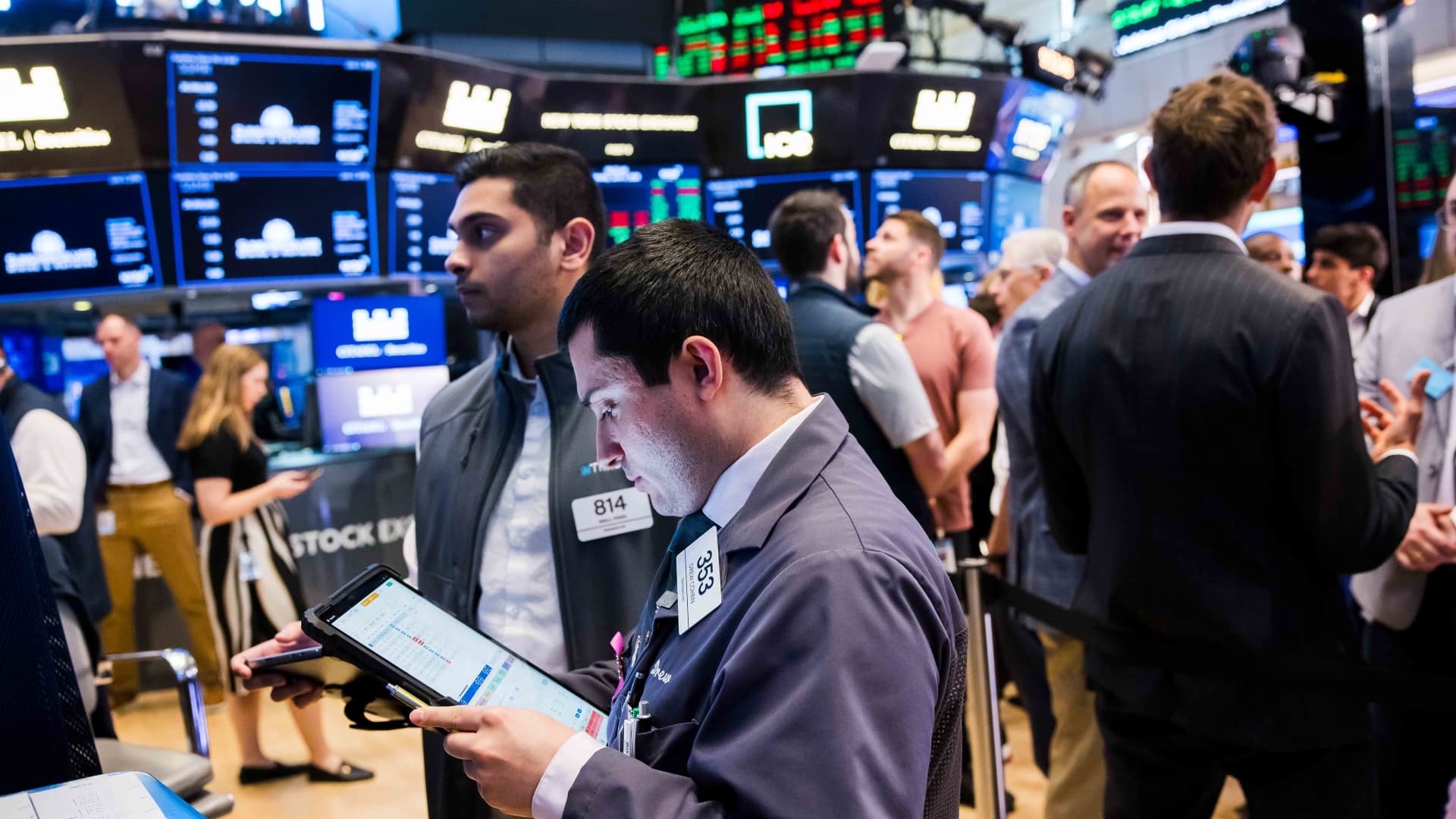
Prediction markets have drastically downgraded the likelihood of the S&P 500 reaching 8,000 in 2026 amid a broader sell-off in AI-focused tech stocks. Investor sentiment has shifted from optimism to caution as major indices face significant corrections.
The Rapid Erosion of Market Optimism
The financial landscape is currently undergoing a significant recalibration, as evidenced by the dramatic shift in sentiment on prediction markets like Kalshi. Just a short time ago, on October 13, traders assigned a robust 72% probability to the S&P 500 reaching the 8,000 threshold by 2026. However, that confidence has evaporated, with current odds plummeting to a mere 6%. This sharp decline reflects a broader, systemic anxiety regarding the sustainability of the recent equity market rally.
The AI Bubble and Tech Sector Vulnerability
The catalyst for this pessimism is a widespread sell-off centered on technology stocks, particularly those heavily leveraged toward the artificial intelligence build-out. As investors reassess the capital expenditure requirements and potential return on investment for AI infrastructure, the market has begun to shed gains that were previously driven by aggressive growth expectations. The Nasdaq Composite’s move into negative territory for the year underscores the fragility of the tech-heavy rally that dominated market performance for much of the preceding period.
Market Correction and Index Performance
Beyond the tech sector, the contagion has spread to the broader market, with both the Dow Jones Industrial Average and the S&P 500 entering correction territory. The S&P 500, once a beacon of consistent growth, has seen its year-to-date gains slashed to a precarious 2%. This contraction signals that the market is no longer treating AI-driven tech as a singular outlier, but rather as a drag on the overall stability of major indices.
The Role of Prediction Markets
Prediction markets have emerged as a unique, real-time barometer for investor sentiment, often reacting more nimbly than traditional analyst projections. By utilizing contracts resolved via S&P Dow Jones Indices data, these platforms offer a crowd-sourced view of future performance. The current discrepancy between previous highs and current lows serves as a stark warning that the speculative fervor that defined the market for most of the year has been replaced by a defensive posture.
Looking Ahead: A Future of Caution
As we look toward 2026, the path forward appears increasingly fraught with uncertainty. The decline in the S&P 500's outlook is not merely a technical adjustment; it represents a fundamental questioning of the AI-led growth narrative. Investors are now pivoting toward risk management, and until there is tangible evidence that AI investments are yielding the projected long-term value, it is likely that prediction markets will remain skeptical of aggressive upward trajectories for the major indices.