Pro-Khalistan group issues bomb threat ahead of PM Modi's Haryana visit; security upped
Source Entity
TOI CITY DESK
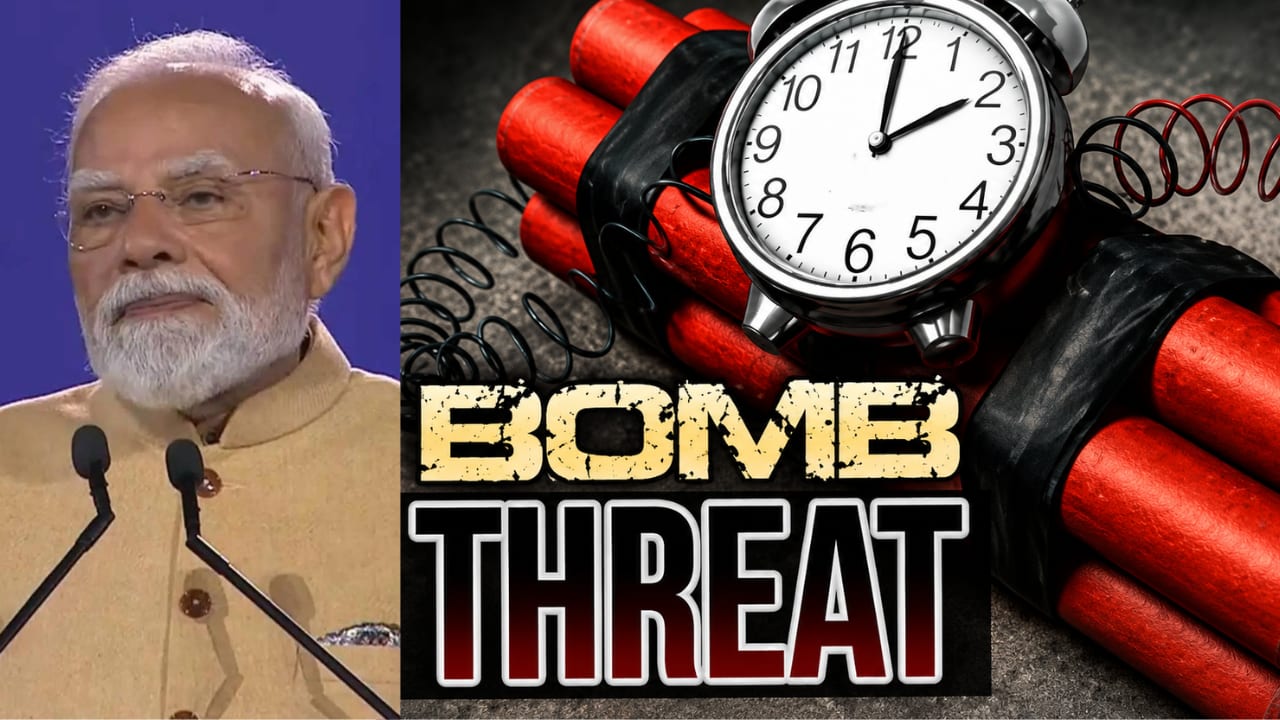
Security agencies are on high alert following a pro-Khalistan group's email threat. The group claims to target Prime Minister Modi's rally in Jind, Haryana. Bomb blasts are also threatened at schools and railway stations on July 17. Union minister Ravneet Singh Bittu also received a threat from the group. Authorities are investigating the email's authenticity and assessing the threat's credibility.
Security Crisis: Analysis of Pro-Khalistan Threats in Haryana
The Immediate Threat Landscape
The recent issuance of bomb threats by a pro-Khalistan group targeting Prime Minister Narendra Modi's scheduled visit to Jind, Haryana, represents a significant security challenge for Indian intelligence agencies. The threats are not limited to a single high-profile political event; the group has explicitly mentioned targeting schools and railway stations on July 17. By extending the threats to public infrastructure and educational institutions, the perpetrators are attempting to create a climate of widespread panic and instability, moving beyond a targeted political assassination attempt to a broader strategy of urban disruption.
Historical Context and the Khalistan Movement
To understand the gravity of these threats, one must examine the historical trajectory of the Khalistan movement. The demand for a separate Sikh homeland has a volatile history, peaking in the 1980s with significant violence and the subsequent military action known as Operation Blue Star. In recent years, the movement has seen a resurgence, often fueled by diaspora elements and extremist fringes. The targeting of Prime Minister Modi and Union Minister Ravneet Singh Bittu is a calculated move to strike at the highest levels of the Indian government, reflecting the movement's ongoing struggle for visibility and its opposition to the current administration's national security policies.
Strategic Implications of the Target Selection
The selection of Jind, Haryana, as a primary target is noteworthy. While the Khalistan movement is traditionally centered around Punjab, extending threats to neighboring Haryana indicates an attempt to expand the geographical scope of their intimidation tactics. Furthermore, the inclusion of Minister Ravneet Singh Bittu in the threats suggests a personalized attack on individuals who are perceived as strong opponents of the separatist ideology. This multifaceted approach—targeting the head of state, a specific minister, and innocent civilians in schools and trains—is designed to stretch security resources thin across multiple sectors.
Security Response and Intelligence Protocol
In response to these threats, security agencies have transitioned to a 'high alert' status. This protocol typically involves a coordinated effort between the National Investigation Agency (NIA), state police, and specialized bomb disposal squads. The process involves rigorous sweeping of the rally venue in Jind, increased surveillance at railway hubs, and heightened security at educational institutions. The current investigation into the 'authenticity' of the email is a critical step; intelligence agencies must determine if the threat is a sophisticated plot or a 'hoax' intended to cause psychological warfare and disrupt the Prime Minister's itinerary.
The Digital Dimension of Modern Extremism
The use of email as the medium for these threats highlights a broader trend in modern extremism: the shift toward digital communication to evade immediate detection. Cyber-terrorism and the use of encrypted or spoofed emails allow these groups to project power and create fear without necessitating a physical presence in the target area. This creates a 'cat-and-mouse' game for cyber-forensics teams who must trace IP addresses and digital footprints to identify the origin of the threat, often across international borders where legal jurisdictions complicate the process.
Conclusion and Future Outlook
In summary, the threats issued against PM Modi and the public infrastructure in Haryana are a stark reminder of the persistent security risks posed by separatist ideologies. While the Indian state possesses robust mechanisms to counter such threats, the psychological impact on the general public remains a concern. Moving forward, it is likely that security for high-profile visits in the northern belt will be permanently heightened. The ability of the government to successfully execute the Jind rally despite these threats will serve as a signal of resilience and a deterrent to future attempts at intimidation through digital terrorism.