Pune building collapse: Death toll hits 9 with recovery of final body from rubble
Source Entity
Manoj Dattatrye More
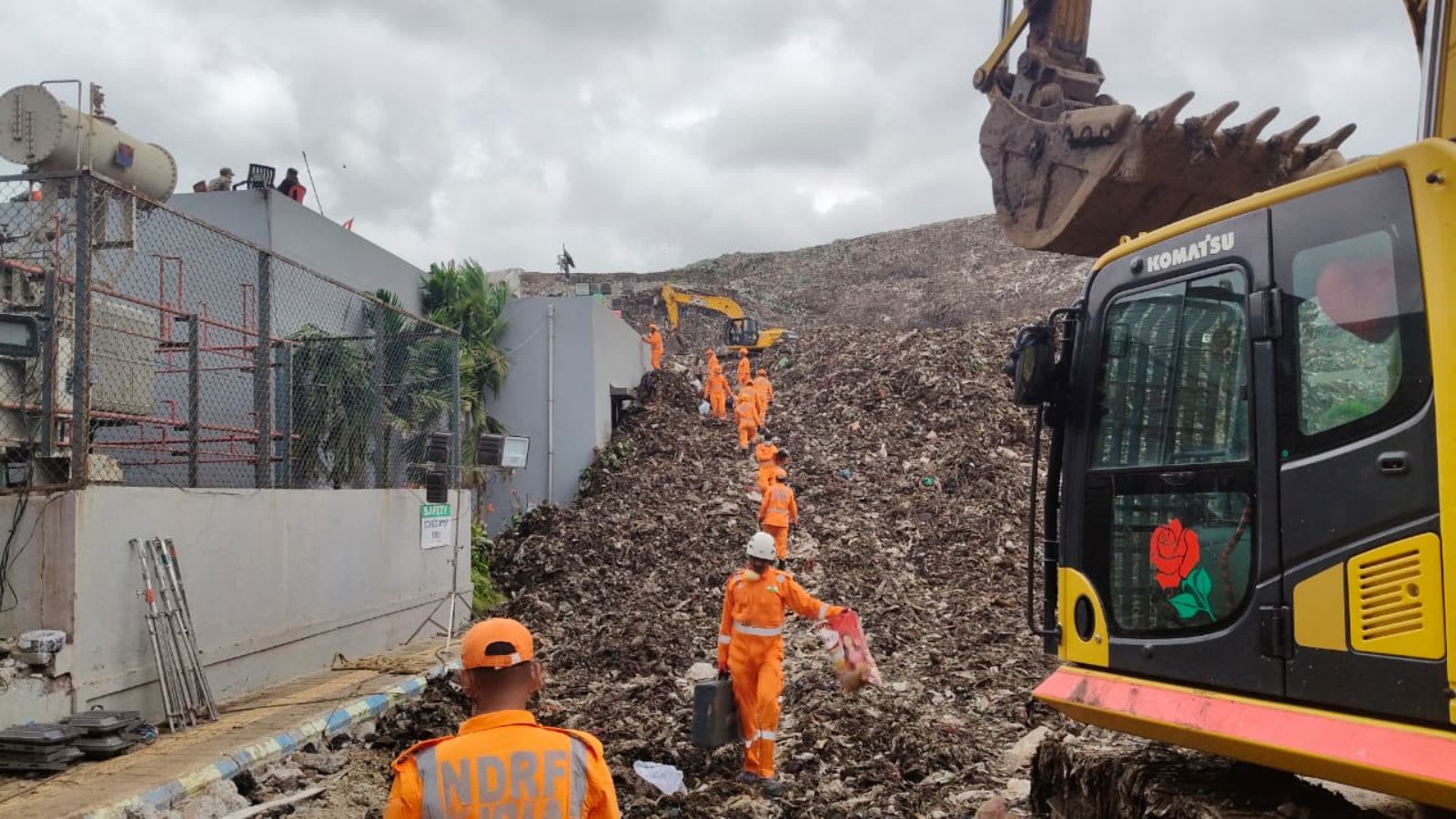
Rescue teams have recovered the bodies of all eight people trapped inside a collapsed waste-to-energy plant building in the Moshi area of Pimpri-Chinchwad, bringing the total death toll from the disas...
Tragedy in Pune: Analysis of the Moshi Waste-to-Energy Plant Collapse
The industrial landscape of Pimpri-Chinchwad has been shaken by a devastating building collapse at a waste-to-energy plant in the Moshi area. This incident, which resulted in the loss of nine lives, highlights the precarious nature of industrial infrastructure and the critical importance of structural integrity in high-impact facilities. The recovery of the final body from the rubble marks the end of a harrowing rescue operation, but it begins a necessary conversation regarding safety protocols in Pune's expanding industrial zones.
The Scale of the Disaster and Rescue Efforts
The collapse was catastrophic, trapping eight individuals beneath massive slabs of concrete and industrial machinery. Rescue teams worked tirelessly under challenging conditions to navigate the unstable debris, a process that is often fraught with danger for the first responders themselves. The recovery of all eight trapped individuals, bringing the total death toll to nine, underscores the severity of the structural failure. Such operations typically involve heavy machinery and specialized search-and-rescue teams, reflecting the intensity of the effort required to retrieve the victims from a waste-to-energy facility, which often contains complex architectural layouts.
Contextualizing Waste-to-Energy Infrastructure
Waste-to-energy (WtE) plants are critical components of modern urban waste management, designed to reduce landfill reliance by converting municipal solid waste into electricity. However, these facilities are subject to unique structural stresses due to the heavy machinery, thermal loads, and the constant movement of waste materials. When a building within such a plant collapses, it suggests a potential failure in either the initial design phase or a lack of rigorous maintenance. In the context of Moshi's rapid industrialization, the pressure to scale infrastructure quickly can sometimes lead to oversights in safety audits.
Broader Implications for Industrial Safety in Maharashtra
This tragedy serves as a grim reminder of the systemic risks inherent in industrial construction across Maharashtra. Pimpri-Chinchwad is a hub of manufacturing and utility services, and the safety of its workforce depends entirely on the adherence to the National Building Code and local municipal regulations. The collapse of a specialized plant indicates a need for a comprehensive review of how "special-purpose" industrial buildings are certified. If structural vulnerabilities are present in a state-of-the-art waste-to-energy plant, it raises concerns about the safety of older, less regulated industrial sites in the region.
Future Trends in Infrastructure Oversight
Moving forward, this incident is likely to trigger a wave of mandatory safety audits for similar utility plants across Pune and the wider state. We can expect a shift toward more stringent third-party certifications and the integration of structural health monitoring systems—such as sensors that detect micro-shifts in concrete—to provide early warnings of potential collapse. Furthermore, there will likely be increased pressure on the Pimpri-Chinchwad Municipal Corporation (PCMC) and relevant industrial boards to enforce stricter penalties for construction negligence.
Conclusion: The Human Cost of Structural Failure
The death of nine individuals is a profound loss that transcends mere statistics. It represents a failure of the systems designed to protect workers in the pursuit of sustainable energy solutions. As the community mourns, the focus must shift from recovery to accountability. Ensuring that the investigation into the Moshi plant collapse is transparent and thorough is the only way to honor the victims and prevent such a tragedy from recurring in India's industrial heartlands.