Putin warns West that Russia is ready to use every weapon to protect Kaliningrad
Source Entity
BBC News
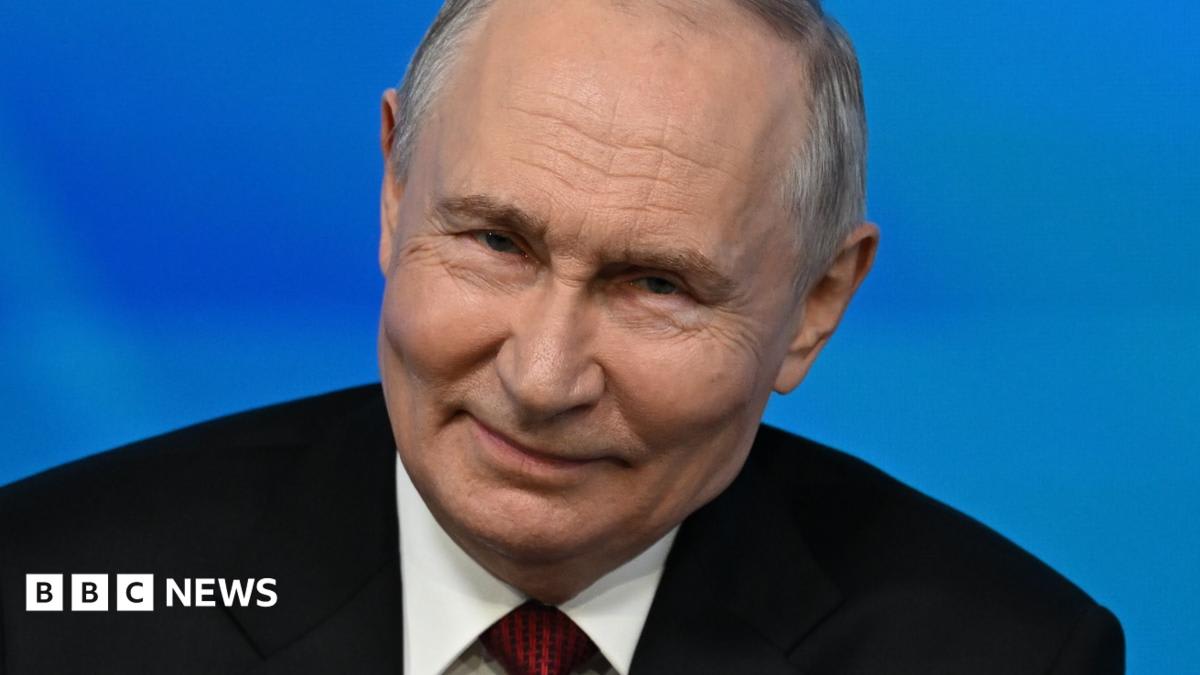
President Vladimir Putin has warned that Russia is prepared to use all available weapons, including nuclear options, if the Kaliningrad exclave is attacked. Meanwhile, NATO officials caution that Europe must remain vigilant against a growing campaign of Russian hybrid warfare and sabotage.
The Geopolitical Fragility of Kaliningrad
Recent statements by Russian President Vladimir Putin have signaled a significant hardening of Moscow's defensive posture regarding the Kaliningrad exclave. Situated between Poland and Lithuania, this Baltic territory serves as a critical strategic outpost for Russia. Putin’s explicit warning that Russia would deploy 'all types of weapons'—a clear allusion to its nuclear arsenal—if the region faces a perceived direct attack, underscores the heightened sensitivity surrounding this narrow corridor of land.
The Rhetoric of Deterrence and Misperception
During the Valdai foreign policy forum, President Putin attempted to frame these threats as reactive rather than proactive. By asserting that Russia is 'not threatening anyone' but merely responding to Western rhetoric regarding potential future conflicts in 2029 or 2030, Moscow is attempting to shift the narrative of aggression. However, this rhetoric is viewed by international observers as a mechanism to justify the pre-emptive posturing of Russian forces near NATO borders.
The Shadow of Hybrid Warfare
Beyond traditional military threats, NATO Secretary General Mark Rutte has highlighted a shift toward 'hybrid warfare.' This includes a documented increase in sabotage, arson, and psychological operations across Europe. As tensions escalate over Western technical support for Ukraine, the risk of miscalculation grows. The recent drone strike on a school in Kyiv and the simultaneous deployment of Ukraine’s FP-7 tactical ballistic missile illustrate the kinetic reality of a conflict that is increasingly difficult to contain within regional boundaries.
The 'Fatal Point of No Return'
Putin’s recent remarks regarding a 'fatal point of no return' emphasize the volatility of the current global security architecture. By cautioning against the use of weapons of mass destruction, he paradoxically utilizes the threat of such weapons as a diplomatic bargaining chip. This strategy aims to deter Western intervention in the Ukraine conflict by creating a constant state of existential anxiety regarding the potential for nuclear escalation.
NATO’s Defensive Stance
In response to these developments, NATO continues to reiterate its status as a purely defensive alliance. The organization has urged Moscow to cease its reliance on nuclear brinkmanship, which is seen as a destabilizing force in European security. The alliance faces the difficult task of balancing support for Ukraine against the need to prevent a direct, catastrophic confrontation with a nuclear-armed state.
Future Implications and Trends
As we look forward, the relationship between Russia and the West appears increasingly defined by a cycle of provocation and response. The focus on Kaliningrad suggests that potential flashpoints are shifting from the primary Ukrainian front to the vulnerable borders of the Baltic states. Future trends will likely involve increased NATO presence in the region, coupled with a persistent, low-level 'grey zone' conflict characterized by cyberattacks and infrastructure sabotage, requiring high levels of vigilance from all European nations.