Rajnath Singh stresses on self-reliance in aerospace sector as HAL delivers its 2,000th aero-engine
Source Entity
Sujit Bisoyi
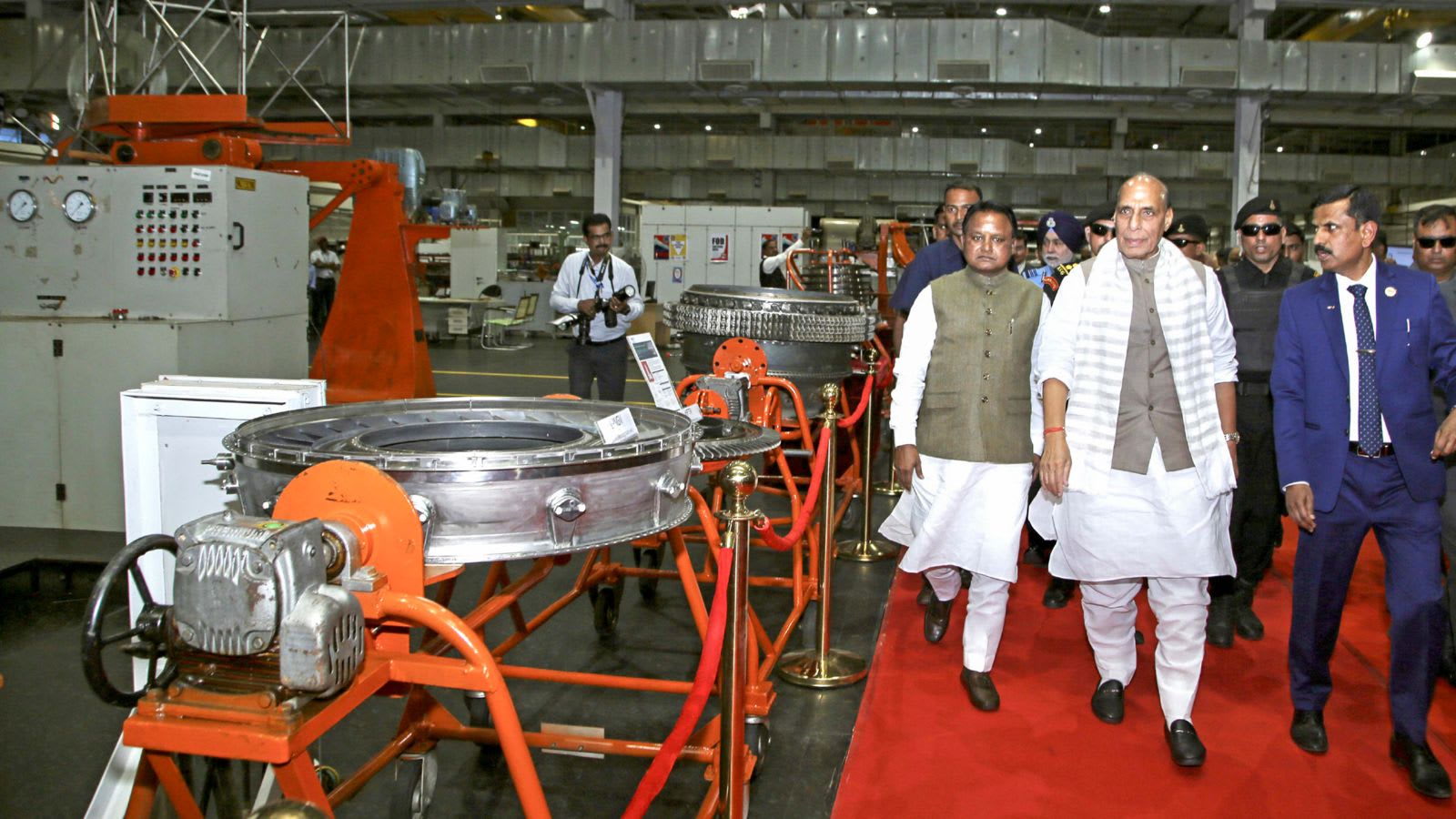
Defense Minister Rajnath Singh inaugurated a new Shakti engine manufacturing line in Odisha as HAL delivered its 2,000th aero-engine. This milestone underscores India's push for self-reliance in propulsion technology and aerospace manufacturing.
India's Aerospace Milestone: A Strategic Shift Toward Self-Reliance
Advancing Indigenous Propulsion Technology
Union Defence Minister Rajnath Singh recently marked a significant milestone for India's defense sector as Hindustan Aeronautics Limited (HAL) delivered its 2,000th aero-engine at the Koraput division in Sunabeda, Odisha. The event, attended by Odisha Chief Minister Mohan Charan Majhi, also saw the inauguration of the second Shakti engine manufacturing line. This development is not merely a quantitative achievement but a strategic signal of India's commitment to mastering propulsion technology—a critical component in the modern aerospace ecosystem.
The Strategic Importance of 'Atmanirbhar Bharat'
At the heart of the event was a call for strengthening indigenous capabilities across the entire lifecycle of aerospace components, from design and development to testing and maintenance. By emphasizing self-reliance, the government is signaling a departure from long-standing dependencies on foreign technology. Mastery in aero-engine manufacturing is widely considered the 'holy grail' of aerospace engineering, and by localizing this expertise, India aims to insulate its defense readiness from global supply chain disruptions.
Operational Readiness and Maintenance Efficiency
Minister Singh highlighted that the indigenisation of components and the reduction in turnaround times are vital for the operational readiness of the Indian Armed Forces. When critical defense assets, such as fighter jets or transport aircraft, can be serviced domestically, their service life is extended, and the overall cost of maintenance is significantly lowered. The Koraput division’s focus on streamlining these processes directly contributes to the longevity and reliability of India's air power.
The Role of Regional Infrastructure
The expansion of the manufacturing line in Koraput, Odisha, points to a broader trend of decentralizing defense production hubs. By developing high-tech manufacturing facilities outside of major metropolitan centers, the government is fostering regional economic growth while creating a robust industrial base. This integration of local infrastructure into the national defense manufacturing grid ensures that the logistical demands of the aerospace sector are met with increased agility.
Future Trends in Aerospace Manufacturing
Looking ahead, the successful production of the 2,000th engine sets a precedent for future indigenous projects. As India continues to iterate on the Shakti engine platform, the lessons learned in manufacturing and quality control will likely be applied to next-generation engine projects. The focus will remain on technological sovereignty, aiming to reduce the lead time for engine overhauls and ensuring that the Indian aerospace sector remains competitive on the global stage.
Conclusion
The inauguration and the milestone delivery represent a concerted effort to build a self-sustaining defense ecosystem. By prioritizing domestic manufacturing, India is not only enhancing its immediate tactical capabilities but is also building the foundational knowledge required for long-term dominance in aerospace technology. The collaboration between state leadership and defense agencies underscores a unified national vision for a secure and self-reliant future.