‘Like your movie, money is also Ata Pata Laapata’: CJI warns Rajpal Yadav over his conduct, says even actor's advocates could be cast in his films
Source Entity
Latest News: Todays Latest News Headlines from India & World | Hindustan Times | Hindustan Times
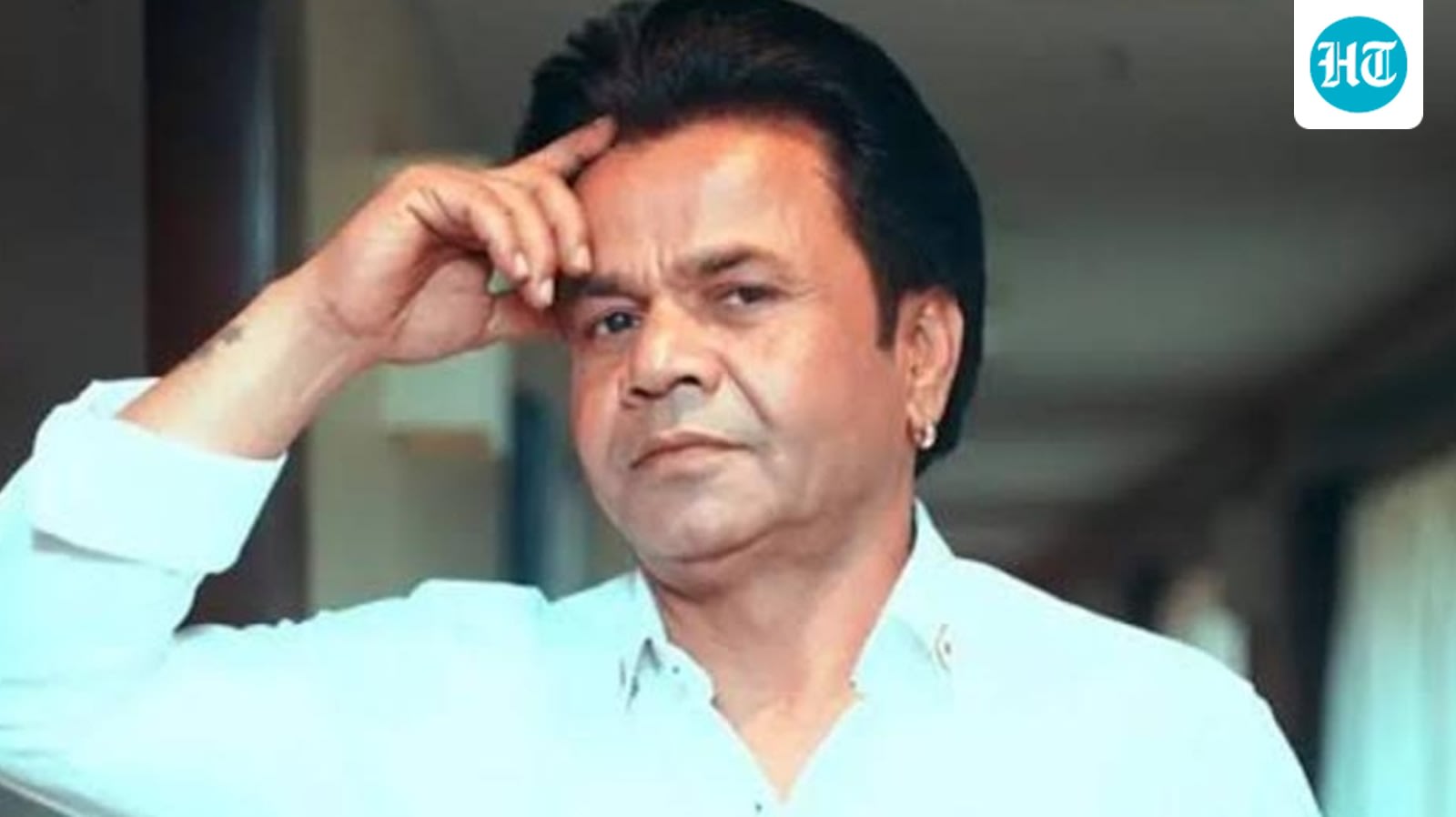
The Supreme Court of India has ordered actor Rajpal Yadav to pay Rs 2 crore in a long-standing cheque-bounce case. While expressing dissatisfaction with his conduct, the court granted him time to deposit the remaining funds to avoid imprisonment and rebuild his professional reputation.
Legal Confrontation: The Supreme Court's Directive to Rajpal Yadav
The Supreme Court of India has issued a stern directive to actor Rajpal Yadav, mandating the payment of Rs 2 crore in connection with a protracted series of cheque-bounce cases. The bench, led by Chief Justice Surya Kant and including Justices Joymalya Bagchi and V Mohana, has set a firm deadline of October 13 for the completion of this financial obligation. This judicial intervention underscores the severity with which the apex court views financial non-compliance, even when involving public figures.
Financial Compliance and Judicial Displeasure
During the proceedings, the court acknowledged that Yadav had already deposited Rs 1.15 crore, a development that prompted the bench to grant him additional 'breathing time.' However, the court was explicit in its dissatisfaction with the actor’s past conduct. The bench noted that, under ordinary circumstances, the actor should have been incarcerated for his failure to meet previous obligations, highlighting the gravity of the legal situation he faces.
The Path to Resolution: Property Sale and Future Payments
To facilitate the final payment of the remaining Rs 85 lakh, Yadav’s legal counsel informed the court that a prospective buyer for his property has been identified. The court has directed that this amount be deposited via demand draft into the Registry by the specified October 13 deadline. This mechanism of asset liquidation serves as a final effort to satisfy the decree before the court considers his petition challenging the conviction and the three-month sentence previously imposed by the Delhi High Court.
A Note on Professional Rehabilitation
Beyond the rigid legal constraints, the Supreme Court offered a rare piece of judicial advice, suggesting that Yadav should return to filmmaking to entertain audiences and rebuild his public image. The bench used a poignant reference to his film Ata Pata Laapata, quipping that his money had similarly gone missing. This observation serves as a reminder of the intersection between a celebrity's private legal struggles and their public persona, emphasizing that professional success is inextricably linked to personal accountability.
Broader Legal and Social Implications
This case serves as a broader reminder of the rigorous enforcement of financial laws in India, particularly regarding cheque-bounce cases under the Negotiable Instruments Act. The court's insistence on a payment schedule demonstrates a commitment to ensuring that litigants cannot indefinitely evade their financial liabilities. By providing a pathway for payment, the court maintains a balance between punitive action and the practical goal of financial restitution for the aggrieved parties.
Conclusion and Future Outlook
As the October 13 deadline approaches, the future of Rajpal Yadav’s legal standing remains contingent on his ability to finalize the property transaction and fulfill the court's financial mandate. The Supreme Court's handling of this matter signals a firm stance against the evasion of court-ordered payments while providing a narrow window for compliance. The outcome of this case will likely set a significant precedent for how the judiciary manages high-profile cases involving financial defaults and the subsequent attempts at rehabilitation.
Verification Required?