Ram Temple trust to decide CEO’s powers, no govt. interference: Nripendra Misra
Source Entity
India Latest News: Top National Headlines Today & Breaking News | The Hindu
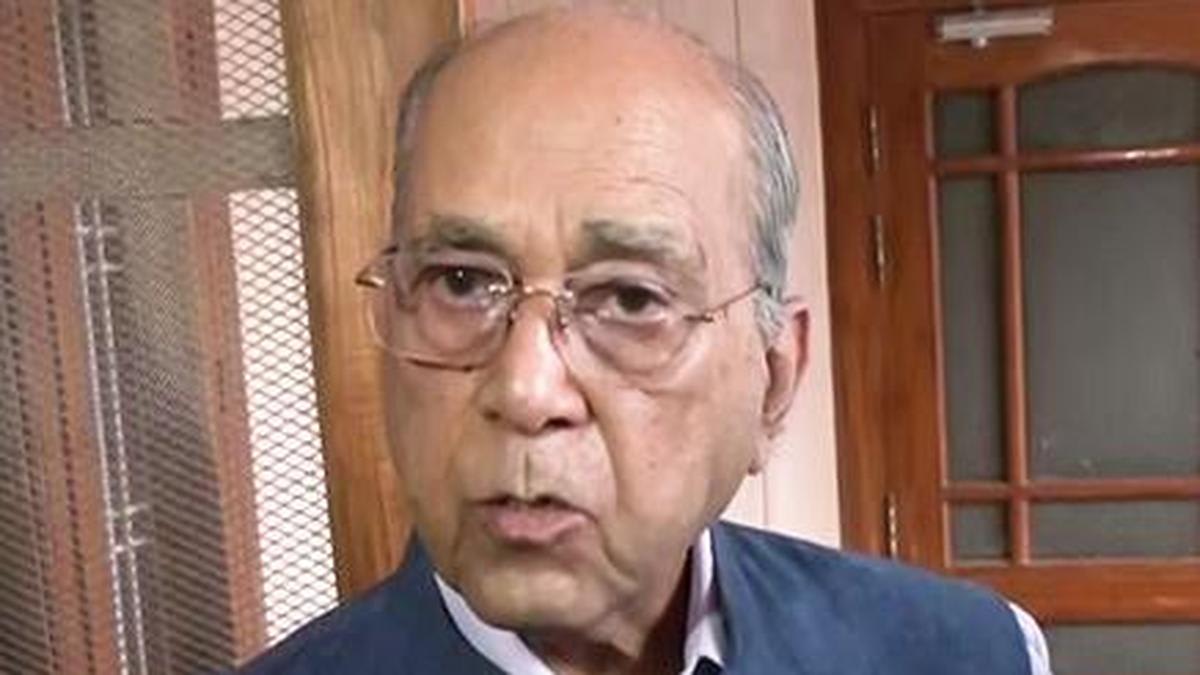
He also claimed that there have been no complaints from devotees visiting the Ram temple in Ayodhya, and that they feel positively about their experience
Autonomy in Administration: Analyzing the Governance of the Ram Temple Trust
In a significant statement regarding the administrative framework of one of India's most culturally and religiously significant landmarks, Nripendra Misra has clarified that the Shri Ram Janmbhoomi Teerth Kshetra trust will maintain full autonomy over its internal operations. Specifically, Misra emphasized that the trust will be the sole authority in deciding the powers and jurisdiction of the Chief Executive Officer (CEO), asserting that there will be no government interference in these decisions. This declaration comes at a critical juncture as the temple transitions from a construction project into a fully operational center of pilgrimage.
The Significance of Institutional Autonomy
The insistence on "no government interference" is a strategic move to ensure that the spiritual and operational management of the Ram Temple remains insulated from political fluctuations. In the context of large-scale religious institutions in India, the line between state administration and trust management can often become blurred. By explicitly stating that the trust will define the CEO's powers, Misra is signaling a commitment to a professional, trust-led governance model. This autonomy allows the trust to make agile decisions regarding temple rituals, security protocols, and resource allocation without the bureaucratic delays typically associated with government oversight.
Defining the Executive Role
The role of the CEO in such a massive undertaking is multifaceted, involving the management of millions of devotees, the maintenance of a sprawling architectural complex, and the coordination of various stakeholders. By allowing the trust to decide the CEO's powers, the organization can tailor the executive's mandate to meet the specific spiritual and logistical needs of the site. This prevents the imposition of a generic administrative template and allows for a leadership structure that prioritizes the sanctity of the temple alongside operational efficiency.
Devotee Experience and Crowd Management
Beyond the administrative structure, Misra’s claim that there have been no complaints from devotees highlights the trust's focus on the "visitor experience." Managing the influx of pilgrims in Ayodhya is a Herculean task that requires precise coordination between the trust and local authorities. The reported positive feedback suggests that the current management strategies—likely developed under the trust's independent purview—are effectively handling the logistical pressures of high-volume tourism while maintaining a spiritual atmosphere.
Historical and Political Context
Historically, the journey to the establishment of the Ram Temple has been marked by decades of legal battles and intense social discourse. The transition to a trust-based management system represents the final phase of this evolution. By distancing the daily administration from direct government control, the trust aims to establish a legacy of stability. This approach acknowledges that while the state may provide infrastructure and security support, the internal governance of a religious site is most effective when led by a dedicated body of trustees rather than political appointees.
Broader Implications for Religious Governance
This model of governance may serve as a precedent for other major religious sites across India. The balance between state support (in terms of security and transport) and institutional autonomy (in terms of internal policy) is a delicate one. If the Ram Temple trust successfully manages its operations without government interference, it could encourage a shift toward more independent trust-based models for other heritage sites, reducing the state's direct involvement in religious administration while maintaining public order.
Conclusion and Future Outlook
In summary, Nripendra Misra's statements underscore a clear vision of independent governance for the Ram Temple. By securing the autonomy to define executive powers and focusing on the positive experience of the devotees, the trust is positioning itself as a self-sustaining entity. Moving forward, the success of this model will depend on the trust's ability to maintain transparency and efficiency as the scale of pilgrimage continues to grow, ensuring that the temple remains a sanctuary of faith free from administrative friction.
Verification Required?