Why a Japanese animated Ramayana faced opposition in India, but found an audience decades later
Source Entity
Arav Shah
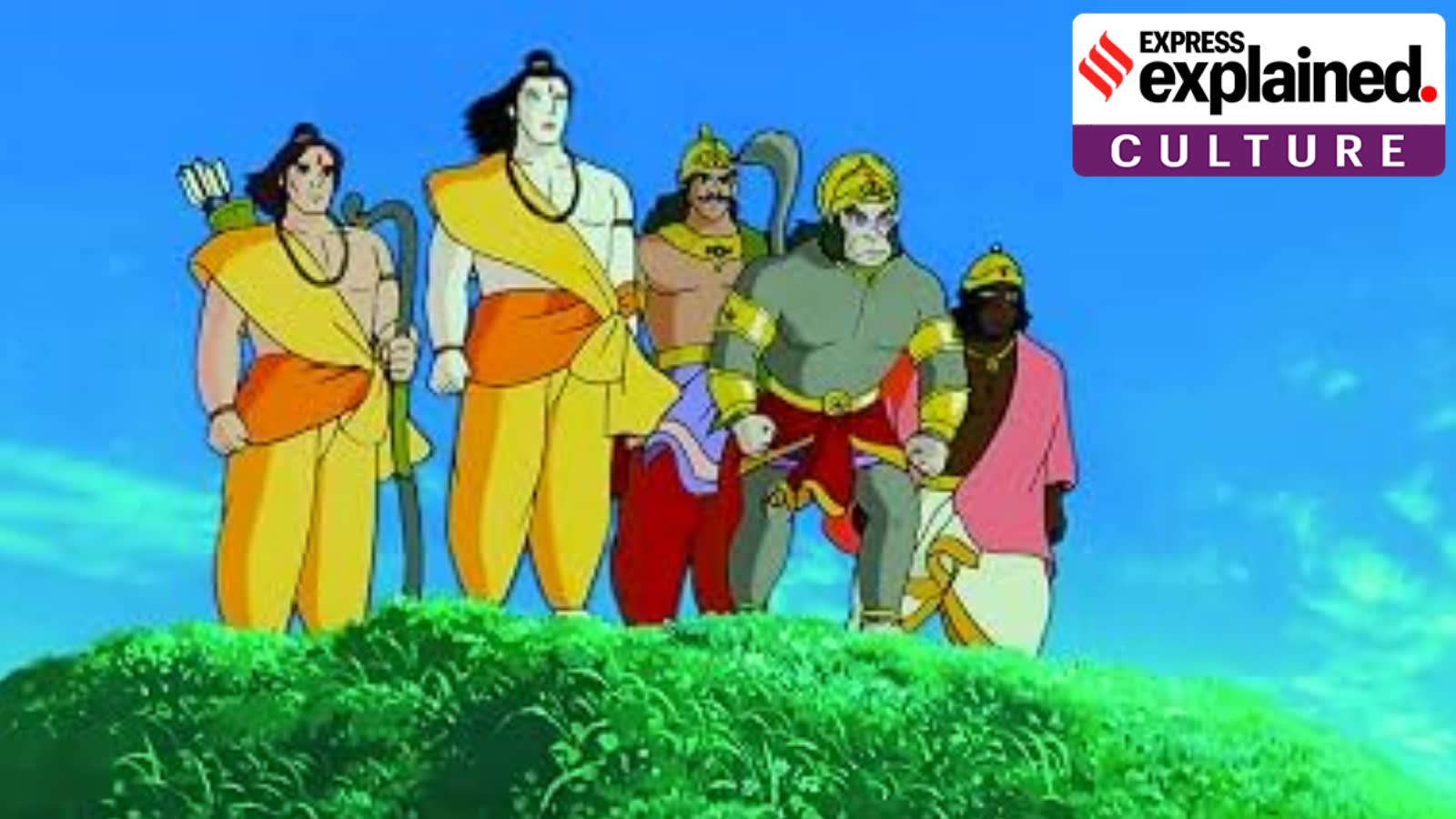
Nitesh Tiwari’s new Ramayana film premiered in Los Angeles using AI-driven lip-syncing and a shortened runtime tailored for international audiences. This follows a historical precedent where international adaptations of the epic, like Yugo Sako’s 1992 animation, initially faced domestic resistance before gaining cult status.
The Global Evolution of Ramayana Adaptations
Nitesh Tiwari’s latest cinematic adaptation of the Ramayana has marked a significant milestone in Indian filmmaking by hosting its world premiere at the Academy Museum of Motion Pictures in Los Angeles. This move underscores a growing ambition to position Indian epics within the global cultural zeitgeist. By utilizing 'Brahma AI,' a proprietary tool developed by co-producer Namit Malhotra’s DNEG, the production has achieved seamless lip-syncing for the English-dubbed version, bridging the technical gap often associated with cross-language cinema.
Adapting Narrative Structure for Global Markets
A striking departure from standard Indian release patterns is the strategic editing of the film’s runtime. While the native Hindi version spans 3 hours and 15 minutes, the international cut has been trimmed to 2 hours and 45 minutes. Namit Malhotra notes that this adjustment is not merely for pacing, but a deliberate redesign of the narrative to accommodate international viewing habits—specifically the absence of an interval, a staple of the Indian theatrical experience that is largely absent in Western cinema.
Historical Context: The Yugo Sako Precedent
The challenges faced by modern adaptations find echoes in the history of Yugo Sako’s 1992 masterpiece, Ramayana: The Legend of Prince Rama. In the 1980s, Sako’s vision of an Indo-Japanese collaboration was met with skepticism and formal objections in India. Critics at the time questioned the appropriateness of a foreign filmmaker depicting a revered Hindu epic, as well as the use of animation to handle sacred subject matter. This resistance serves as a historical benchmark for how Indian audiences perceive external interpretations of their cultural heritage.
The Shift from Resistance to Acceptance
Despite the initial lukewarm reception and distribution hurdles, The Legend of Prince Rama underwent a significant cultural reappraisal. What was once a controversial project eventually evolved into a cult classic, demonstrating a shift in audience maturity and the enduring power of the medium. The 2025 theatrical re-release of the restored version highlights a generational shift, where the narrative of the Ramayana has transcended the initial anxieties surrounding its medium and origin to become a celebrated piece of global animation.
Future Trends in Epic Storytelling
The trajectory from Sako’s animated film to Tiwari’s AI-enhanced production suggests a future where Indian epics are no longer confined by geography or local theatrical formats. By leveraging technology to overcome language barriers and tailoring content to global attention spans, Indian producers are effectively standardizing their content for international distribution. As these films continue to navigate the balance between cultural authenticity and global accessibility, they are likely to become a permanent fixture in the international entertainment landscape, signaling a new era of cross-cultural cinematic exchange.