8 language-speaker Lukaku unpacks Belgium 2-1 defeat to Spain in 4 languages
Source Entity
The Indian Express
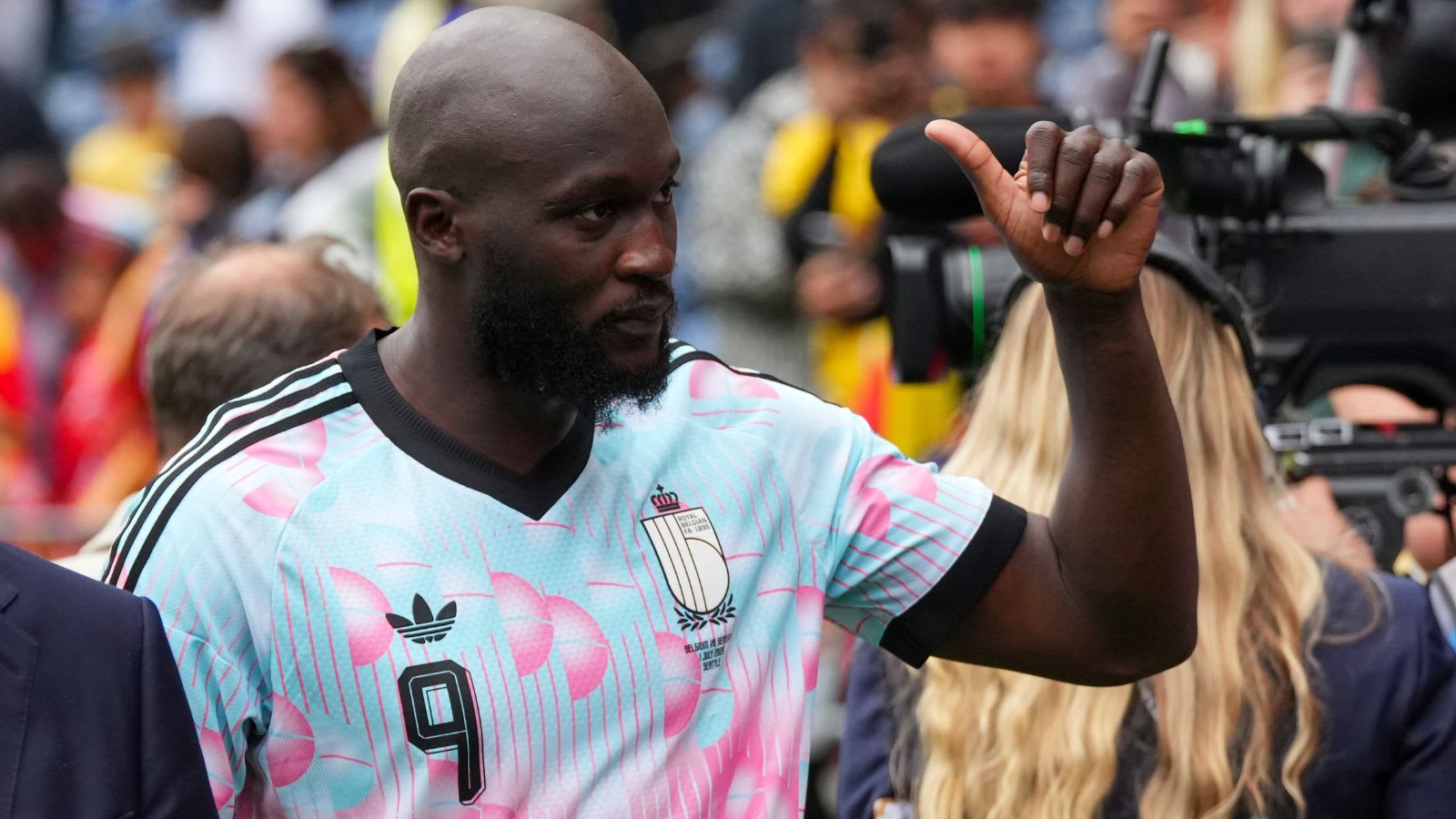
A loss is a loss is any language, but Romelu Lukaku faced questions elegantly on the 2-1 loss to Spain in 4 different languages. The Belgian baritone answered questions in Spanish, English, Flemish a...
Linguistic Diplomacy Amidst Sporting Defeat
In the high-stakes environment of international football, the post-match press conference is often a site of tension, deflection, and scripted responses. However, the recent encounter between Belgium and Spain, which ended in a 2-1 victory for the Spaniards, provided a unique moment of cultural and linguistic intersection. Romelu Lukaku, the talismanic Belgian striker, turned a moment of sporting disappointment into a display of intellectual versatility by addressing the media in four different languages. This act not only highlights Lukaku's personal capabilities but also underscores the cosmopolitan nature of modern elite athletics.
The Tactical Context of the Defeat
To understand the weight of Lukaku's composure, one must first look at the match itself. A 2-1 loss to Spain is rarely a simple failure; it typically involves battling against one of the most disciplined possession-based systems in world football. For Belgium, a team often caught between the sunset of its 'Golden Generation' and the rise of new talent, such a defeat can lead to intense scrutiny. The narrow margin of the loss suggests a competitive outing, yet the psychological toll of falling to a powerhouse like Spain often leaves players defensive. Lukaku's decision to engage deeply and multilingually with the press suggests a level of maturity and accountability that is critical for a senior leader in the squad.
The Power of Polyglotism in Global Sport
Lukaku's ability to switch seamlessly between Spanish, English, Flemish, and other languages is not merely a party trick; it is a strategic asset. Having played in some of the world's most prominent leagues—including the English Premier League, Italy's Serie A, and the Spanish La Liga—Lukaku has treated language acquisition as a tool for professional integration. By answering questions in the native tongues of the journalists, he removes the barrier of the translator, allowing for a more nuanced and authentic exchange of ideas. This linguistic dexterity allows him to connect directly with the Spanish media, acknowledging the opponent's strength in their own language, while remaining rooted in his Belgian identity through Flemish.
Broader Implications for the Belgian National Team
Belgium's national identity is inherently multilingual, split primarily between Dutch (Flemish) and French speakers. In a team that represents a diverse linguistic landscape, Lukaku's role as a polyglot serves as a unifying force. His ability to bridge gaps not only within the dressing room but also with the global press reflects the broader Belgian struggle and success in maintaining a cohesive national identity. As the team navigates a transitional phase in its tactical evolution, the ability of its stars to communicate effectively across cultural lines is paramount to maintaining morale and strategic alignment.
The 'Global Athlete' Persona and Future Trends
This event highlights a growing trend in professional sports where the 'Global Athlete' is expected to be more than just a physical specimen. In an era of global branding and social media, the ability to communicate across borders increases an athlete's marketability and influence. Lukaku's poise in the face of defeat, coupled with his linguistic skills, positions him as a diplomat for the sport. Moving forward, we can expect to see more athletes prioritizing linguistic fluency as a means of managing their own narratives and building deeper connections with international fanbases, reducing the reliance on PR intermediaries.
Conclusion: Grace Under Pressure
While the scoreboard recorded a defeat for Belgium, the post-match narrative was dominated by Lukaku's elegance and intellect. By unpacking the 2-1 loss in four different languages, Lukaku demonstrated that while a loss is a loss regardless of the tongue spoken, the manner in which an athlete handles that loss can redefine the public perception of the event. His performance in the press room served as a reminder that leadership in sports extends far beyond the ninety minutes on the pitch, encompassing cultural empathy and intellectual curiosity.