Russian Cargo Vessel Hit By Drones, Finland Says It Is On Fire In Its Waters
Source Entity
NDTV News Search Records Found 1000
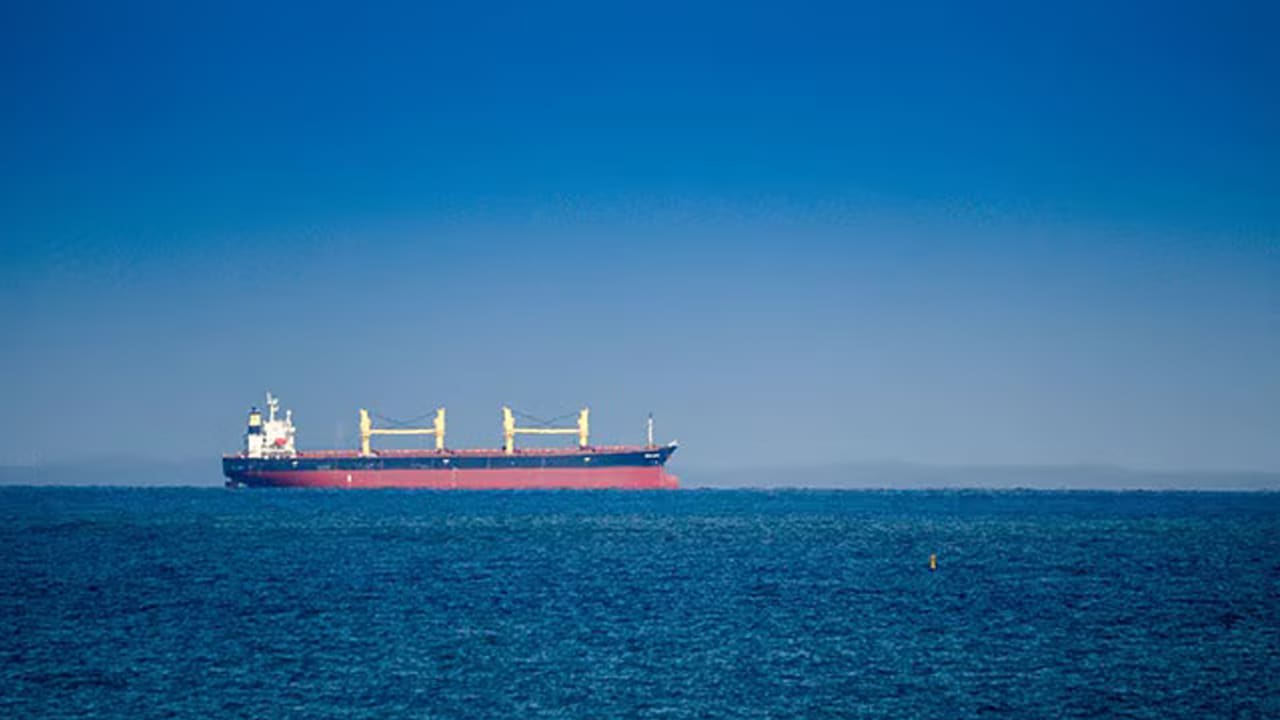
A Russian cargo vessel, Sparta II, caught fire after a drone strike in the Gulf of Finland, leading to regional security concerns. Subsequently, Finland reported a suspected airspace violation by a Russian helicopter near the site of the incident.
Maritime Security Incident in the Gulf of Finland
On Saturday, the Russian cargo vessel Sparta II was struck by two drones while navigating international waters near the Gulf of Finland. The vessel, which is linked to Russian defense ministry logistics and was reportedly en route to the Kaliningrad exclave, sustained significant damage and caught fire. The resulting blaze caused the ship to drift into Finnish territorial waters, placing the incident directly within the view of regional authorities and highlighting the fragile security environment currently surrounding NATO-aligned maritime zones.
The Strategic Significance of Sparta II
The targeting of Sparta II is particularly notable due to its documented links to Russian military supply chains. By striking a vessel involved in defense logistics, the incident transcends a standard maritime accident, signaling an escalation in the use of drone technology to disrupt Russian supply lines. Given the ship’s destination of Kaliningrad—a strategic Russian exclave situated between Poland and Lithuania—the attack underscores the vulnerability of Russian maritime transit routes and the potential for these corridors to become theaters of ongoing regional conflict.
Finland’s Response and Territorial Integrity
Finnish authorities, including the Border Guard, have been actively monitoring the situation, preparing for potential rescue operations as the vessel remains in their waters. The proximity of the attack to Finnish borders necessitates a high level of vigilance. Finland’s recent accession to NATO has fundamentally altered the security architecture of the Baltic Sea, and this incident serves as a stress test for the country's border monitoring and crisis response protocols in the face of sudden, kinetic events occurring just off its coastline.
The Suspected Airspace Violation
Compounding the tension, Finnish Defense Minister Antti Hakkanen confirmed that a Russian helicopter was suspected of violating Finnish airspace only hours after the drone strike. While the defense ministry suggested this incursion might be related to Russian attempts to monitor or assist the damaged Sparta II, the event has prompted a formal coordination response from the Finnish Defence Forces. This dual-incident scenario complicates the diplomatic landscape, as Finland must distinguish between legitimate search-and-rescue efforts and potential acts of provocation or unauthorized surveillance.
Broader Regional Implications
The combination of a drone strike on a defense-linked vessel and a subsequent airspace incursion creates a volatile atmosphere in the Baltic region. As European nations remain on high alert regarding Russian activities, such incidents risk miscalculation or rapid escalation. The Finnish government’s methodical approach—coordinating between the military, border guards, and other agencies—reflects a commitment to maintaining sovereignty while managing the risks posed by the ongoing conflict in the broader European theater. Future trends likely point toward increased NATO surveillance in the Baltic and a heightened sensitivity to any Russian movements near its borders.
Verification Required?