Al-Qaida and IS-linked violence in Africa’s Sahel belt set to hit record levels this year
Source Entity
Jason Burke International security correspondent
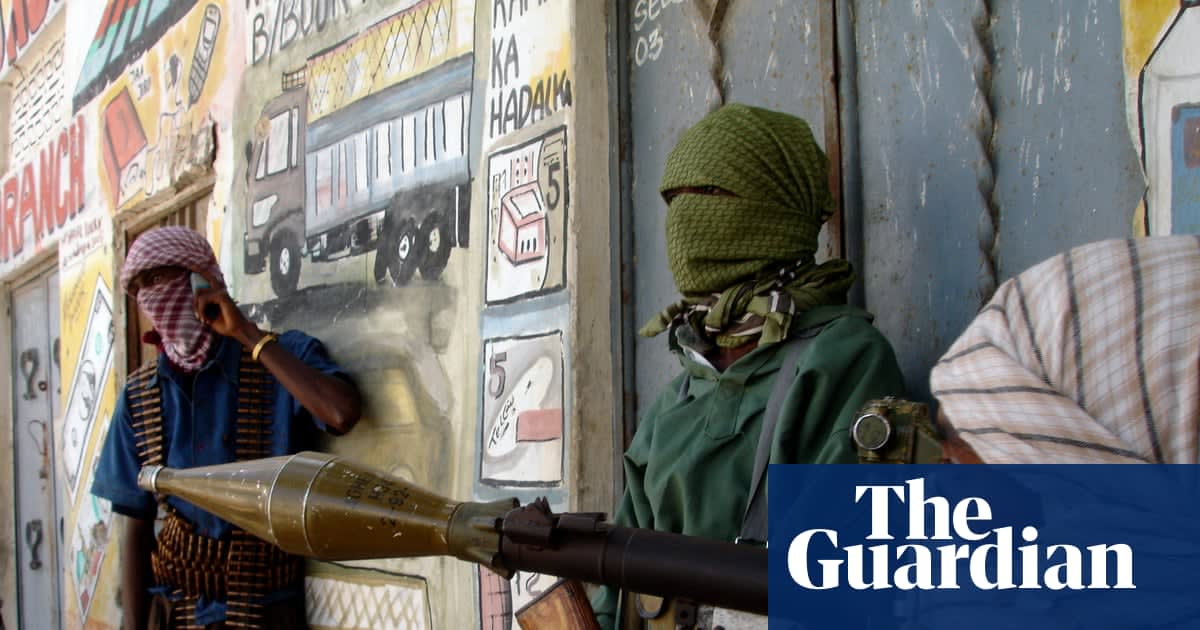
Islamist extremist violence in the Sahel region of Mali, Burkina Faso, and Niger is projected to reach record levels this year. Data from Acled highlights the growing influence of al-Qaida and Islamic State-linked groups in the region.
The Resurgence of Militancy in the Sahel
Recent data compiled by the Armed Conflict Location and Event Data (Acled) project indicates that the Sahel region of Africa is currently facing an unprecedented surge in Islamist extremist violence. This escalation, driven by sweeping offensives conducted by groups affiliated with al-Qaida and the Islamic State, suggests that the region is on track to hit historic highs in conflict-related activity this year. This development marks a critical shift in the security landscape of West Africa, turning the Sahel into the epicenter of global militant activity.
The Strategic Triangle: Mali, Burkina Faso, and Niger
The violence is concentrated within the interconnected borders of Mali, Burkina Faso, and Niger. These three nations form a vast, sparsely governed zone that has become the primary theater for these extremist organizations. The geography of the Sahel, characterized by porous borders and vast desert terrain, allows militant groups to operate with relative mobility, making it exceptionally difficult for local security forces to contain their expansion. The persistent instability in these states has created a power vacuum that these groups are actively exploiting to consolidate territory and influence.
Contrasting Global Trends
It is deeply significant that this expansion occurs as the United States commemorates the 25th anniversary of the 9/11 attacks. While al-Qaida’s operational capabilities have been significantly degraded in other parts of the world, their resurgence in the Sahel demonstrates a remarkable resilience and adaptability. This geographic pivot highlights that while global counter-terrorism efforts have succeeded in weakening central leadership structures in the Middle East, the ideological and operational decentralization of these groups has allowed them to thrive in regions with weaker state governance.
The Role of Data in Conflict Analysis
Acled’s role in documenting this crisis is vital for understanding the scale of the threat. By systematically tracking conflict location and event data, the organization provides an empirical baseline for what has otherwise been a fluid and often under-reported conflict. These statistics strip away the ambiguity of the situation, confirming that the uptick in violence is not merely localized skirmishing but a coordinated set of offensives that pose a fundamental threat to the sovereignty of the affected nations.
Broader Implications and Future Outlook
The implications of this violence are extensive, affecting regional stability, migration patterns, and the humanitarian situation for millions of civilians. As these militant groups continue to challenge state authority, the risk of further regional destabilization grows. Looking ahead, the international community faces the difficult challenge of addressing the root causes of this violence—such as governance deficits and socioeconomic marginalization—while simultaneously countering the immediate threat posed by these well-armed and strategically motivated extremist organizations. Without a shift in containment strategies, the Sahel risks becoming a long-term sanctuary for global extremist networks.