On Seats It Won Or Came Second, Samajwadi Party Plans A Big 'No' To Congress
Source Entity
NDTV News Search Records Found 1000
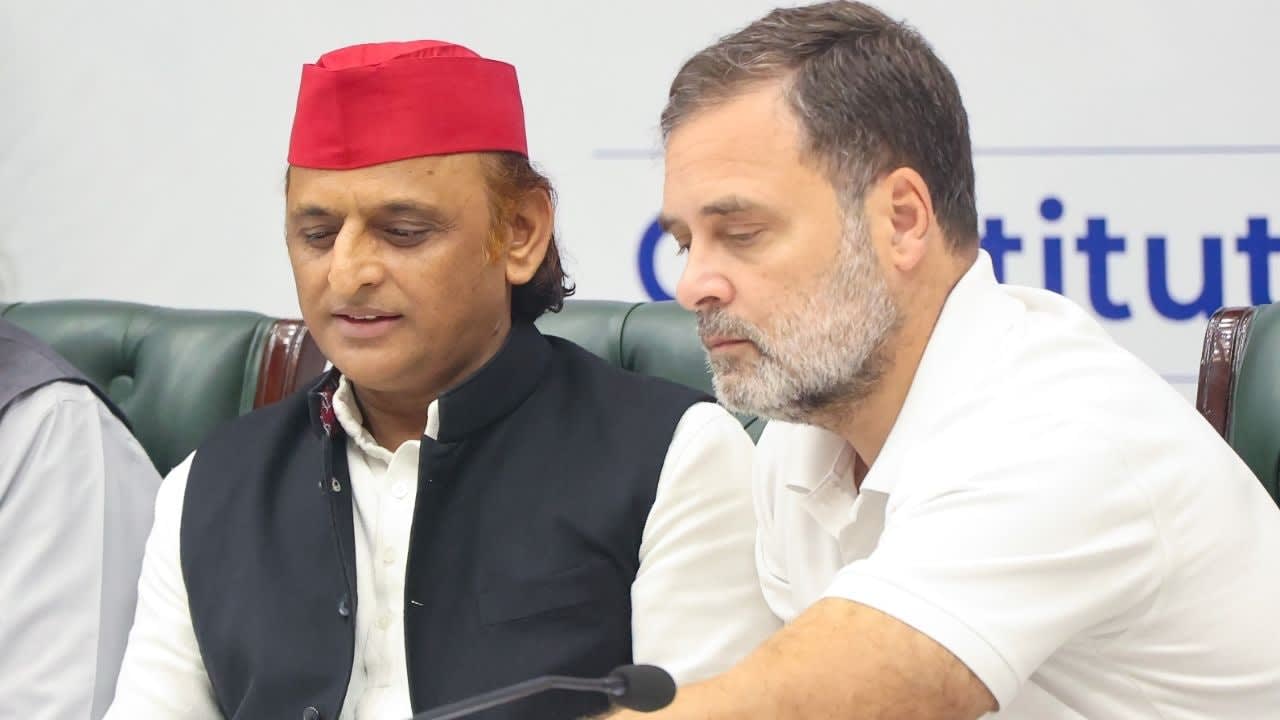
The Samajwadi Party is moving to restrict Congress's seat-sharing influence in districts where the party holds strong standing. Both political entities have agreed to establish formal committees to negotiate their electoral future.
Strategic Realignment in Uttar Pradesh
The political landscape in Uttar Pradesh is undergoing a significant transformation as the Samajwadi Party (SP) signals a more assertive stance regarding its alliance with the Congress. By explicitly planning to limit Congress's influence in constituencies where the SP has either secured victory or finished as the runner-up, the party is prioritizing its own territorial stronghold. This move suggests a shift in the power dynamics of the opposition coalition, moving away from a purely collaborative model toward one defined by competitive territorial preservation.
The Role of Negotiating Committees
To manage these complex tensions, both the Samajwadi Party and the Congress have agreed to form formal committees to initiate structured discussions. This development is crucial, as it elevates the discourse from informal posturing to institutionalized negotiation. These committees are expected to serve as the primary venues for addressing the friction caused by overlapping electoral ambitions and resource allocation within the state.
Historical Context and Alliance Dynamics
Historically, electoral alliances in Uttar Pradesh have been fraught with difficulty due to the state's intricate caste-based voting patterns and the historical dominance of regional players. The Samajwadi Party’s current strategy reflects a lesson learned from past electoral cycles, where yielding too much ground to national partners often diluted the regional party's core support base. By asserting control over seats where they have historically performed well, the SP is attempting to fortify its influence against potential erosion.
Broader Implications for the Opposition
This development holds broader implications for the national opposition strategy. As these two parties navigate their internal differences, the efficacy of the broader opposition coalition in India’s most populous state is being tested. If the committees fail to find common ground, the result could be a fractured campaign that plays into the hands of the ruling incumbent. Conversely, a successful negotiation could demonstrate a maturation of coalition politics in the region.
Future Trends and Predictions
Looking ahead, the success of these negotiations will likely determine the electoral trajectory for the upcoming cycles. Future trends suggest that regional parties will increasingly demand a larger share of the seat-sharing pie, forcing national parties like the Congress to recalibrate their expectations. The outcome of these committee discussions will serve as a bellwether for whether the 'India' bloc can maintain coherence or if internal regional interests will ultimately cause the alliance to fragment. The focus now rests on the ability of these committees to balance the immediate need for a unified front with the long-term goal of party survival.
Verification Required?